Direct Answer: What Is the Best Wet Cat Food for Indoor Cats?
The best wet cat food for indoor cats is a complete and balanced formula that provides appropriate nutrition, sufficient protein, proper calorie levels, and enough moisture to support your cat’s individual needs.
When comparing wet foods, focus on:
- Complete nutritional balance
- Appropriate protein sources
- Calorie content
- Moisture level
- Ingredient quality
- Life stage suitability
- Your cat’s health requirements
There is no single “best” wet food for every indoor cat. The right choice depends on the individual cat rather than the label on the package.
Quick Takeaways
Wet food can help increase moisture intake for many cats.
Indoor cats may need careful calorie management because they often have lower activity levels.
Look for complete and balanced formulas rather than relying on marketing terms.
Protein, hydration, and portion size are key considerations.
Food preferences vary greatly between cats.
Any diet change should be introduced gradually.
Why Wet Food Can Be Beneficial for Indoor Cats
Cats naturally have a relatively low thirst drive compared with many other animals. Because of this, some cats may not drink large amounts of water throughout the day.
Wet food contains a higher percentage of water than dry food, which can contribute to overall fluid intake.
Potential benefits include:
Increased Moisture Intake
Wet food can support hydration by adding water through meals.
This may be useful for cats that:
- Drink little from bowls
- Prefer moist textures
- Need more water in their diet
Texture Variety
Cats can develop strong food preferences.
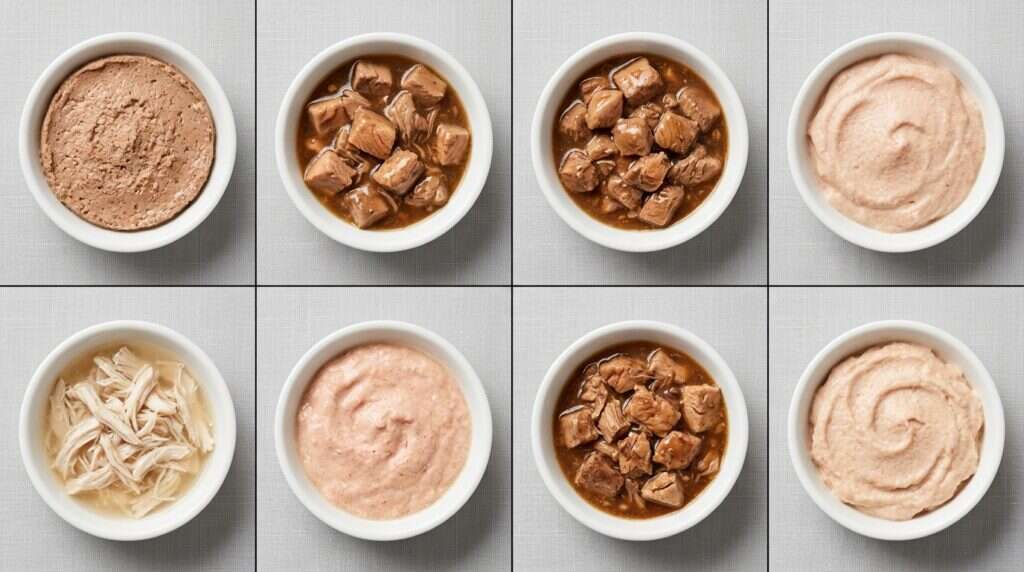
Wet food comes in different textures, including:
- Pâté
- Chunks
- Shreds
- Mousse
- Gravy-based formulas
- Providing suitable textures may help maintain interest in meals.
Portion Awareness
Wet food is often served in measured portions, making it easier for owners to monitor intake.
This can support weight management when portions are appropriate.
What to Compare When Choosing Wet Cat Food
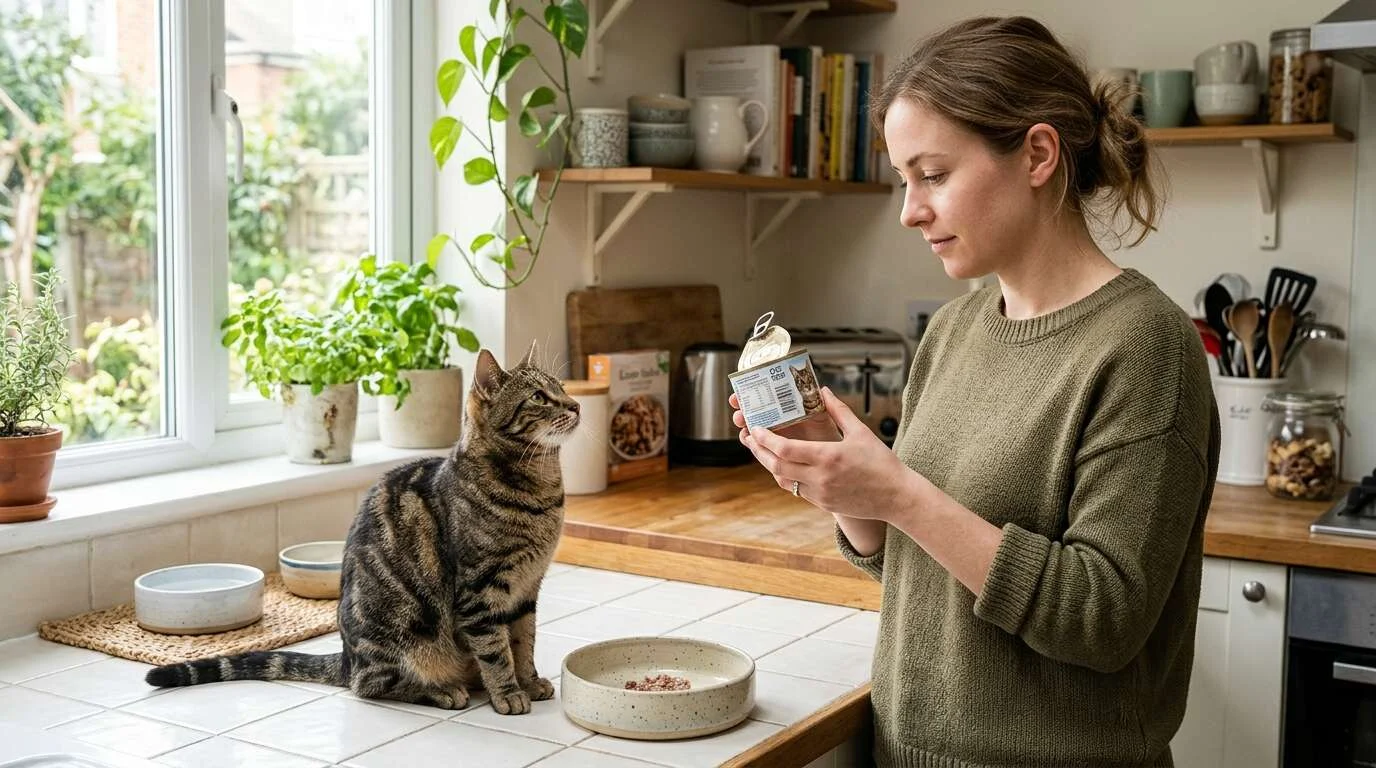
Choosing wet food requires looking beyond the front label.
1. Check Whether the Food Is Complete and Balanced
The most important factor is whether the food provides complete nutrition for cats.
A complete diet should contain the nutrients cats require for normal health.
Avoid relying only on:
- Ingredient lists
- Marketing claims
- Product names
A food can have attractive ingredients but still not be appropriate as a complete daily diet.
2. Consider Protein Sources
Cats require animal-based nutrients as part of their natural dietary needs.
When comparing foods, consider:
- Named animal protein sources
- Overall nutritional balance
- Your cat’s tolerance
- Examples of common protein sources include:
- Chicken
- Turkey
- Fish
- Beef
- Lamb
- Some cats may have sensitivities or preferences related to specific proteins.
3. Compare Calorie Content
Indoor cats often have lower energy requirements because they may:
- Move less
- Sleep more
- Have fewer hunting opportunities
- A food with more calories is not automatically better.
- Owners should consider:
- Cat size
- Activity level
- Current weight
- Feeding amount
- The correct portion matters as much as the food choice.
4. Evaluate Moisture Content
One advantage of wet food is its high water content.
Higher moisture can be useful for cats that consume little water independently.
However, moisture alone does not determine food quality. A balanced nutrient profile remains essential.
5. Consider Ingredients Carefully
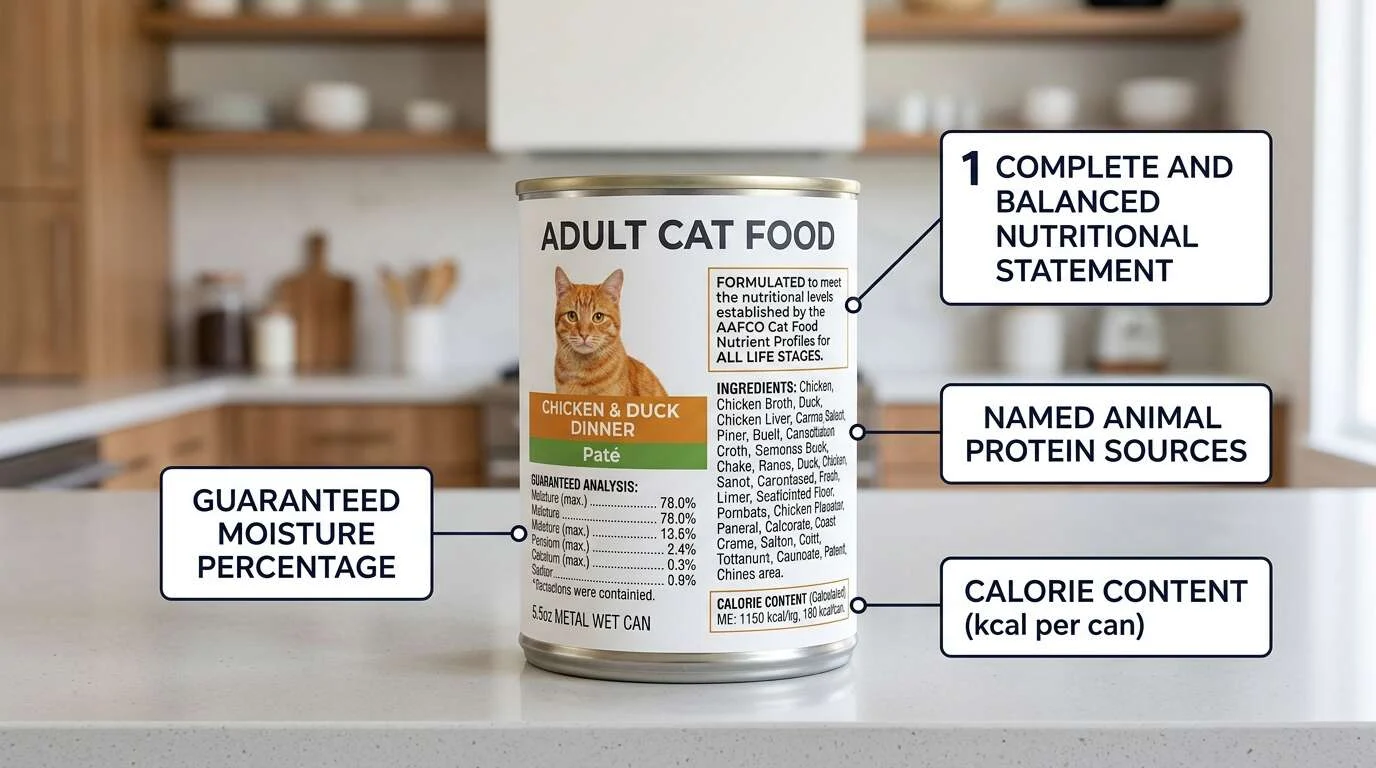
Ingredient lists can provide useful information, but they should be interpreted correctly.
A longer ingredient list is not automatically worse, and a shorter list is not automatically better.
Important considerations include:
- Nutritional completeness
- Appropriate formulation
- Suitability for your cat
Wet Cat Food Types Explained
Different textures and formulas may suit different cats.
Pâté Wet Food
Pâté has a smooth texture.
Advantages:
- Easy for many cats to eat
- Suitable for cats with dental challenges
- Consistent texture
- Some cats prefer more texture variety.
Chunk or Shredded Wet Food
These formulas contain visible pieces of meat or seafood.
Advantages:
- Different eating experience
- Appealing texture for some cats
- Some cats may find certain textures less comfortable.
Gravy or Sauce-Based Food
These formulas contain additional liquid.
Advantages:
- Attractive aroma
- Higher moisture experience
- Owners should still consider total calories and nutrition.
Wet Food for Different Indoor Cat Needs
Indoor Cats With Weight Concerns
Cats needing weight management may benefit from:
- Controlled portions
- Appropriate calorie intake
- Regular weight monitoring
- Weight changes should be gradual.
Senior Indoor Cats
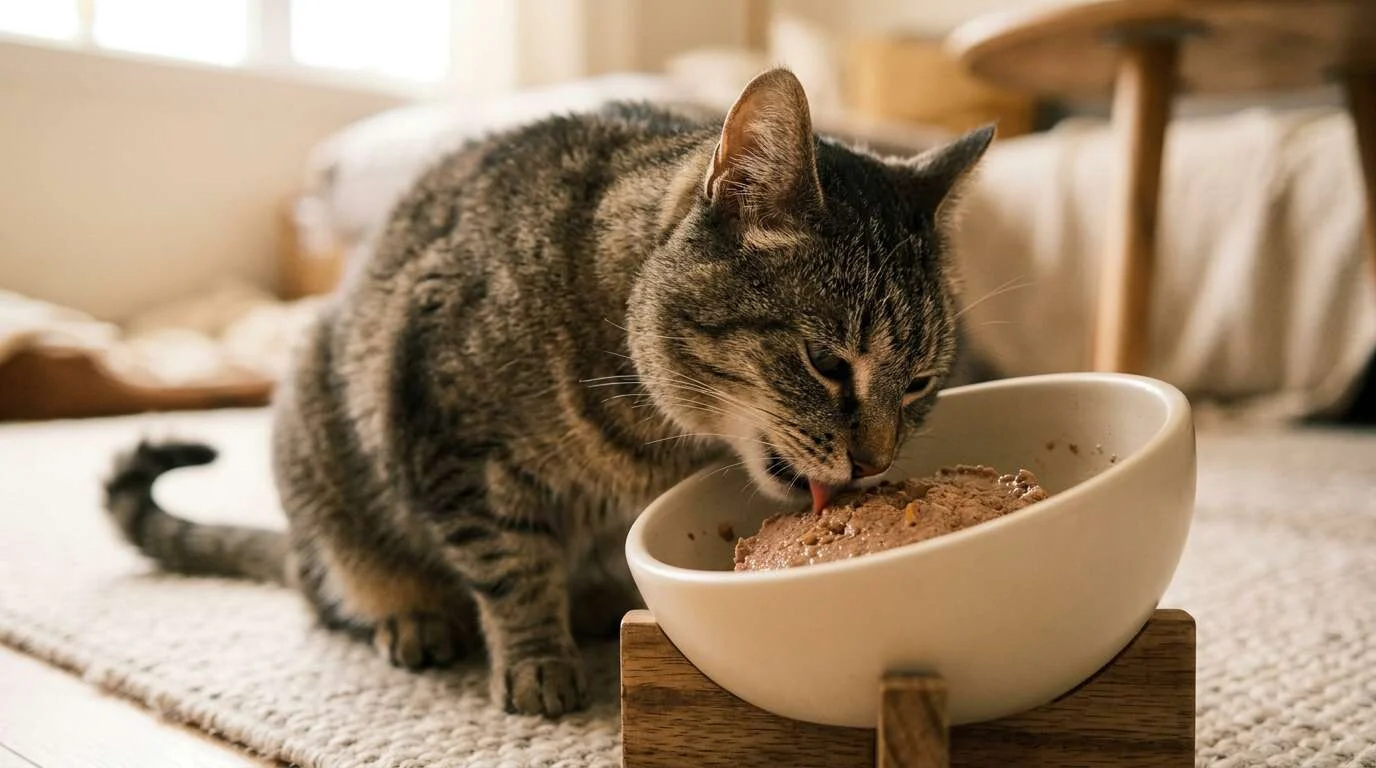
Older cats may have changing nutritional needs.
Consider:
- Ease of eating
- Appetite changes
- Veterinary guidance if health issues exist
Indoor Cats With Sensitive Digestion
Some cats experience digestive issues when foods change.
Helpful practices include:
- Slow transitions
- Monitoring stool changes
- Avoiding unnecessary diet changes
Wet Food vs Dry Food for Indoor Cats
| Factor | Wet Food | Dry Food |
|---|---|---|
| Moisture | High | Lower |
| Convenience | Moderate | High |
| Storage | Requires refrigeration after opening | Easy |
| Feeding Control | Often portioned | Requires measuring |
| Texture Variety | High | Lower |
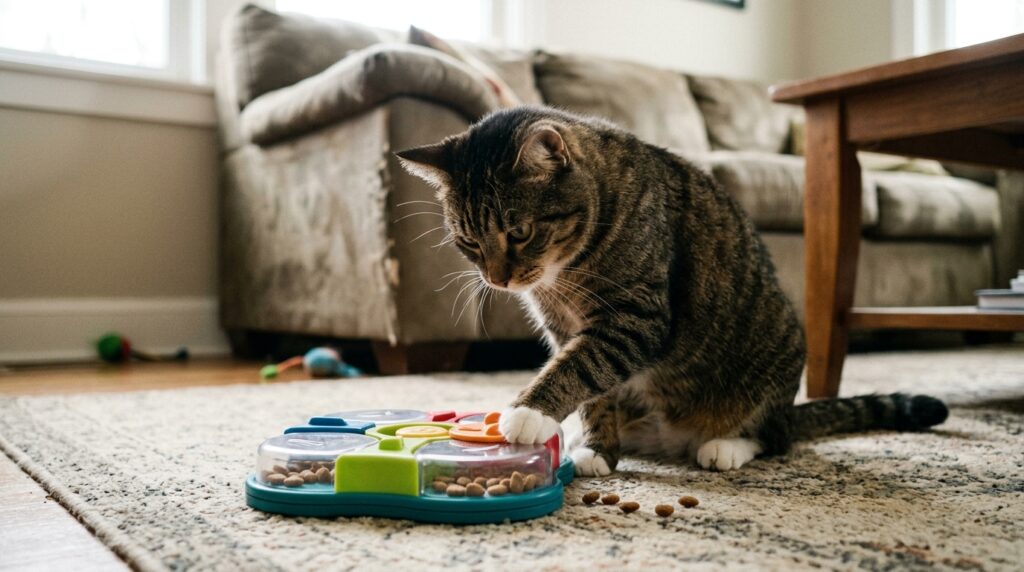
| Puzzle Feeding | Limited | Easier |
Many cats do well with either option or a combination approach.
How Much Wet Food Should an Indoor Cat Eat?
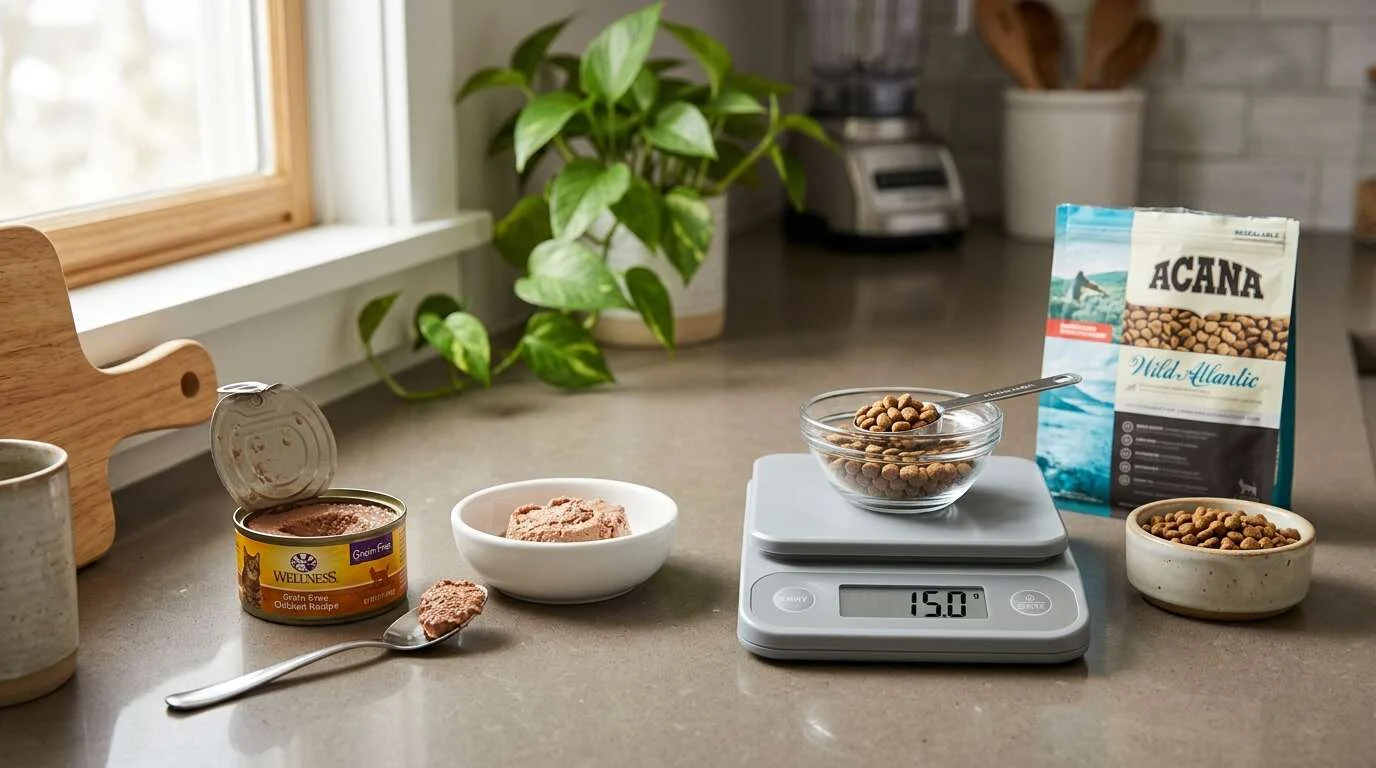
The correct amount depends on:
- Body weight
- Calories per serving
- Activity level
- Other foods provided
A common mistake is adding wet food on top of existing meals without adjusting total calories.
For example:
A cat eating dry food plus multiple wet meals may receive more calories than expected.
Owners should consider the complete daily intake.
How to Introduce New Wet Cat Food
Cats can be sensitive to sudden dietary changes.
A gradual transition can help.
Example:
| Days | Old Food | New Food |
|---|---|---|
| 1–3 | Mostly old food | Small amount new food |
| 4–6 | Half old food | Half new food |
| 7+ | Mostly new food | Reduced old food |
Some cats need a slower transition.
Common Mistakes When Buying Wet Cat Food
Choosing Based Only on Price
The cheapest option is not always the most suitable, but expensive food is not automatically better.
Ignoring Calories
Even nutritious food can contribute to weight gain if portions are too large.
Changing Foods Frequently
Constant changes can create digestive problems for some cats.
Following Trends Instead of Nutrition
Online recommendations may not consider your individual cat’s needs.
Signs Your Indoor Cat May Need Diet Adjustment
Monitor for changes such as:
- Weight gain
- Weight loss
- Reduced appetite
- Digestive problems
- Changes in energy
- Persistent changes should be discussed with a veterinarian.
Frequently Asked Questions
Is wet food better than dry food for indoor cats?
Not necessarily. Both can be appropriate when they provide complete nutrition. Wet food offers higher moisture, while dry food offers convenience.
How often should indoor cats eat wet food?
The schedule depends on the cat, household routine, calorie needs, and total diet.
Can wet food help indoor cats drink more water?
Yes, because wet food contains significant moisture compared with dry food.
Should overweight indoor cats eat wet food?
Wet food can be part of a weight management plan, but total calories and portion sizes matter most.
Can kittens eat wet food?
Yes, if the food is formulated appropriately for kittens and provides complete nutrition.
Conclusion
Choosing the best wet cat food for indoor cats requires looking beyond advertising and focusing on what your individual cat needs.
A good choice provides complete nutrition, appropriate calories, quality protein sources, and useful moisture content. Indoor cats often benefit from careful portion management because their activity levels may differ from outdoor cats.
The ideal food is not simply the most expensive or popular option. It is the one that supports your cat’s health, matches their preferences, and fits their lifestyle.
By comparing nutrition, ingredients, calories, and feeding habits carefully, owners can make better decisions that support their indoor cat’s long-term wellbeing.