This post contains affiliate links. We may earn a commission at no extra cost to you if you purchase through these links.
Quick answer: for a genuinely anxious cat, a soft-sided carrier with a top-loading opening and a removable top panel beat every hard-shell carrier I tried. Getting a stressed cat in through a front door alone is the single biggest source of carrier trauma — top access solves most of it, and the vet visits themselves went noticeably better once loading stopped being a fight.
Why the standard carrier advice didn’t work for us
Miso is not a calm traveler. Front-door carriers turned every vet visit into a 10-minute wrestling match before we’d even left the apartment, and by the time we got in the car she was already stressed enough that the actual appointment was worse for it. I’d read the usual advice — leave the carrier out, make it a positive space, use treats — and it helped a little, but it didn’t fix the fundamental problem, which was that getting her into the thing through a small front opening while she braced against it was the actual trauma, not the carrier itself.
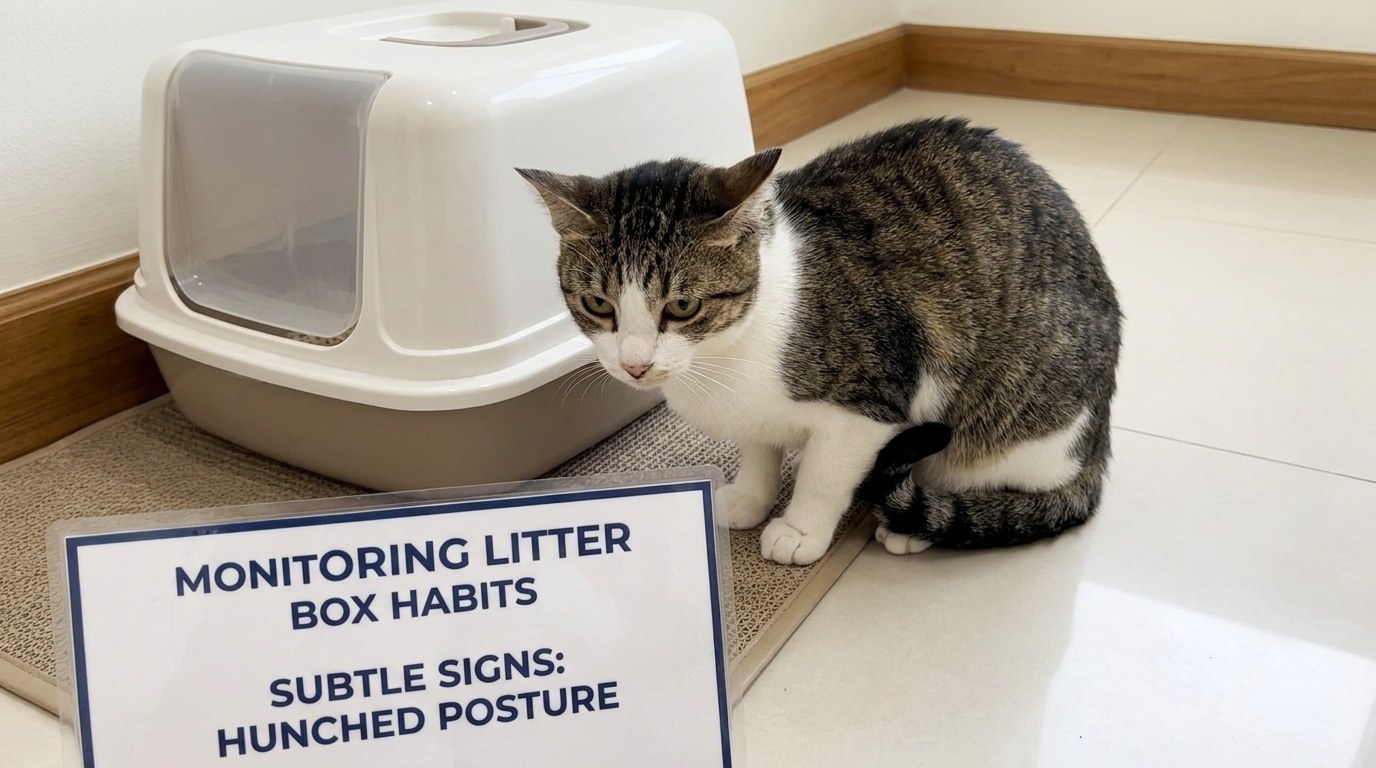
Miso showing severe anxiety posture. For an anxious cat, the traditional front-loading process often starts the stress cycle long before you leave the house.
Anxiety during travel can trigger physiological responses, and chronic stress can lead to other issues. For tips on managing generalized stress and anxiety in cats, see our guide on behavior changes. So I tested carriers specifically for that problem: how easy is it to load an actively resistant cat without a fight, not how comfortable the carrier looks in a photo.
In this guide, we’ll cover:
- What I tested and how
- Comparison table
- Full reviews
- Why loading style matters more than anything else
- How to actually reduce carrier anxiety over time
- FAQ
What I actually tested
Three carriers, three real vet visits, one anxious cat, no simulated testing at home — I wanted to know what happened under actual stress conditions, not what happened in a calm living room. I tracked loading time, how much resistance Miso showed getting in, how she behaved during the car ride, and how the vet tech described her stress level compared to previous visits using carriers I’d used before this test.
I also weighed each carrier empty and loaded, checked how it fit in my car’s seatbelt setup, and noted how it held up being set down on a vet clinic floor and counter without feeling flimsy.
Comparison table
| Carrier | Opening Style | Loading Difficulty | Stability | Verdict |
|---|---|---|---|---|
| Sleepypod Air (top + front) | Top-loading, removable top | Easy | Excellent | Best overall (Winner) |
| Petmate Two Door Top Load | Top-loading, hard-sided | Easy-moderate | Excellent | Best budget |
| Frisco Soft-Sided Carrier | Front only | Difficult | Good | Skip for anxious cats |
Full reviews
Sleepypod Air — Best Overall
This one changed the entire experience. The top panel unzips fully, so instead of trying to push a bracing, resistant cat through a small front opening, I could lower her in from above, where there’s nothing for her to brace her legs against on the way in.
Miso resting peacefully inside the Sleepypod Air after a successful, stress-free vet visit.
What I like: the loading difference is not subtle. Our first vet visit with this carrier took under a minute to load, compared to the 8–10 minute struggles I’d had before. It’s also genuinely well-padded and structured enough to stay stable when set on a scale or exam table, which matters more than it sounds — a carrier that collapses or shifts under a stressed cat adds to the stress.
What I don’t like: it’s expensive relative to the other options here, and it’s on the smaller side, which works fine for Miso but might feel tight for a larger cat. It’s also not machine washable in full — just the removable liner — which is a minor inconvenience after an accident during a stressful ride.
Best for: cats with genuine carrier-loading anxiety where the front-opening struggle is the main issue.
Not for: larger cats, or owners on a tight budget who don’t need the premium build.
Petmate Two Door Top Load — Best Budget
A more affordable hard-sided option that still solves the core problem — top access — without the price of the Sleepypod. The hard shell also holds up better to being set down on questionable vet clinic floors, if that’s a texture thing for you the way it is for me.
The Petmate carrier is a durable, easy-to-clean budget option that still provides the critical top-loading access.
What I like: top-loading access at roughly a third of the cost of the Sleepypod. Loading was nearly as easy — maybe a minute and a half instead of under a minute — and Miso settled in the car noticeably faster than with any front-loading carrier I’d tried previously.
What I don’t like: less padding than the Sleepypod, so it’s a slightly harsher ride if your cat shifts around a lot. It’s also bulkier to store between vet visits since it doesn’t fold flat the way soft carriers do.
Best for: budget-conscious owners who still want the top-loading advantage.
Not for: anyone tight on storage space between uses.
Frisco Soft-Sided Carrier — Skip for Anxious Cats
I included this one because it’s genuinely popular and reasonably well-reviewed generally — it’s just wrong for this specific problem. Front-opening only, and while it’s comfortable once a cat is inside, getting an actively resistant cat through that opening was exactly the same struggle I’d had before starting this test.
What I like: lightweight, easy to store, comfortable interior padding once a cat is actually in it.
What I don’t like: the loading problem is completely unsolved. If your cat isn’t anxious about carriers to begin with, this is a perfectly fine option. If loading is the specific issue you’re dealing with, this carrier doesn’t address it at all.
Best for: cats that don’t resist entering a carrier in the first place.
Not for: the actual problem this post is about.
Why loading style matters more than anything else
Most carrier advice focuses on the inside — padding, ventilation, size. All of that matters, but for a genuinely anxious cat, none of it matters until you’ve solved the getting-in problem, because a cat that’s already stressed and physically fighting the loading process is going to be stressed for the entire trip regardless of how nice the interior is.
A front opening forces a cat to walk forward into an enclosed space they can see is enclosed, which triggers exactly the instinct you’d expect — bracing, backing away, digging in. A top opening removes that visual and physical barrier. You’re not asking the cat to walk into a box. You’re placing them into an already-open space, which is a completely different experience even though the end result — cat, inside carrier — is the same.
This was the single biggest factor across all three vet visits I tracked for this test. Loading time and visible stress dropped for both top-loading carriers and stayed exactly the same, struggle and all, for the front-only one.
How to actually reduce carrier anxiety over time
The right carrier solves the mechanical part of the problem. It doesn’t undo months or years of a cat associating carriers with only-bad-things-happen. A few things that helped alongside switching carriers:
- Leave it out permanently: If the carrier only appears right before something stressful, it becomes a predictor of stress on its own. Keeping it out as a normal piece of furniture, ideally with a soft blanket inside, breaks that association over time.
- Feed near or in it occasionally: Not forced — just placing a treat or part of a meal near the entrance, then gradually inside, builds a positive association. For details on structuring your cat’s environment and care, refer to our complete cat health and wellness guide.
- Practice loading with no destination: A few short, low-stakes sessions of loading into the carrier, closing it briefly, then opening it again with no car ride attached helps decouple the carrier from vet visits.
- Spritz with a calming pheromone spray: Spraying the inside of the carrier 15 minutes before travel can significantly reduce travel stress.
- Don’t rush the last-minute pre-vet loading: If loading only happens in a rushed, stressed context right before you need to leave, that stress transfers to the cat. A calmer, unhurried loading process — even five extra minutes — tends to go better. Establishing a calm, structured routine in their day-to-day lives also builds general resilience to sudden changes.
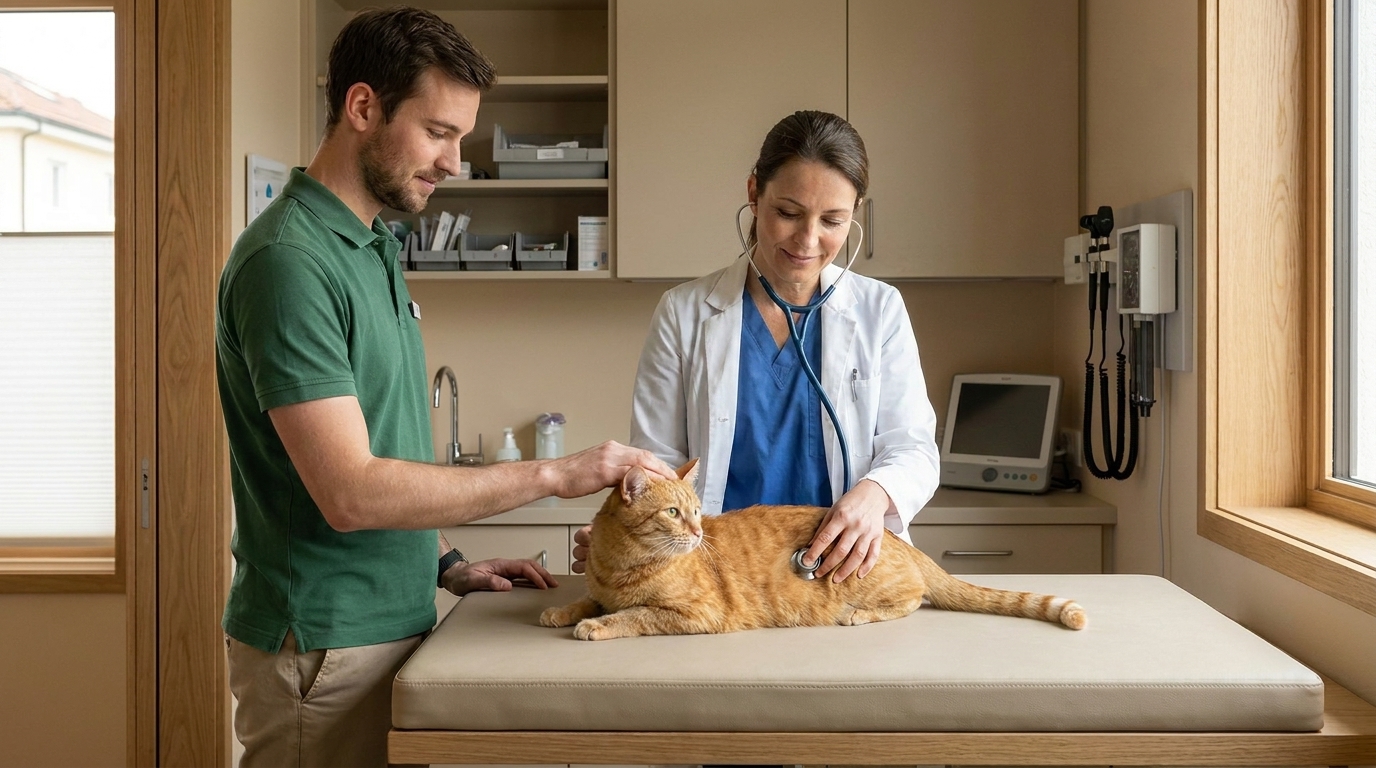
The payoff: a calm arrival at the vet, meaning a less stressful exam for everyone involved.
None of this replaced the carrier switch for us — it was the carrier that made the biggest single difference. But the combination is what actually got Miso to a point where a vet visit isn’t a dreaded event for either of us anymore. For more tips on carrier training and reducing transport stress, the AAFP carrier training guide provides excellent guidelines.
FAQ
Are top-loading carriers safe for car travel?
Yes, as long as they secure properly with a seatbelt or safety strap, the same as any carrier. The top-opening feature is only used for loading and unloading — it should be fully closed and secured during transport.
What size carrier does my cat actually need?
Enough room to stand, turn around, and lie down comfortably, but not so much extra space that they slide around during transport. A snug-but-not-cramped fit tends to feel more secure to an anxious cat than a large, open one.
Should I sedate my cat for vet visits if the carrier itself is the problem?
Talk to your vet before considering sedation — for a lot of cats, solving the loading problem with the right carrier and some practice reduces the anxiety enough that sedation isn’t necessary. It’s worth trying the lower-intervention option first.
How long does it take to reduce carrier anxiety with practice?
It varies a lot by cat. Miso showed a meaningful difference within a few weeks of regular low-stakes loading practice, but some cats take longer, especially if the anxiety is tied to a specific bad experience rather than general unfamiliarity.
Is a backpack-style carrier a good option for anxious cats?
It can work well for some cats since it keeps them close to your body and reduces visual stimulation, but it doesn’t solve the loading problem on its own — check whether it has a top or side opening before assuming it’ll help with resistance during loading specifically.
If you’ve found a specific technique or carrier that turned vet visits around for your cat, I’d like to hear it — this is one of those problems where the fix seems to be different for every cat and owner combination.