I’ve spent over two years testing what actually qualifies as the Best Cat Litter for Odor Control in a small apartment where smell has nowhere to hide. Living with my indoor male cat, Beans, means I don’t rely on labels or marketing claims — I rely on the air in my living room within 24 hours. Over the past year, I tested eight different litters through humidity swings, diet changes, and even urinary sensitivity phases. This guide comes from real-world performance, not brand promises.
Quick Comparison Table
| Litter | Type | Odor Control | Dust Level | Best For |
|---|---|---|---|---|
| Dr. Elsey’s Ultra | Clumping clay | ⭐⭐⭐⭐⭐ | Very low | Budget, multi-cat |
| Fresh Step Extreme | Clumping clay | ⭐⭐⭐⭐⭐ | Low | Activated charcoal |
| Feline Pine | Pine pellet | ⭐⭐⭐⭐ | Virtually none | Dust-sensitive cats |
| World’s Best | Corn-based | ⭐⭐⭐⭐ | Very low | Eco + flushable |
| Tuft & Paw OdorStop | Tofu/charcoal blend | ⭐⭐⭐⭐⭐ | Low | Tracking + odor |
| Arm & Hammer Clump & Seal | Clumping clay | ⭐⭐⭐⭐ | Moderate | Multi-cat, budget |
| SmartCat All Natural | Grass seed | ⭐⭐⭐⭐ | 99% dust-free | Sensitive cats |
| PrettyLitter | Silica crystal | ⭐⭐⭐⭐ | Virtually none | Health monitoring |
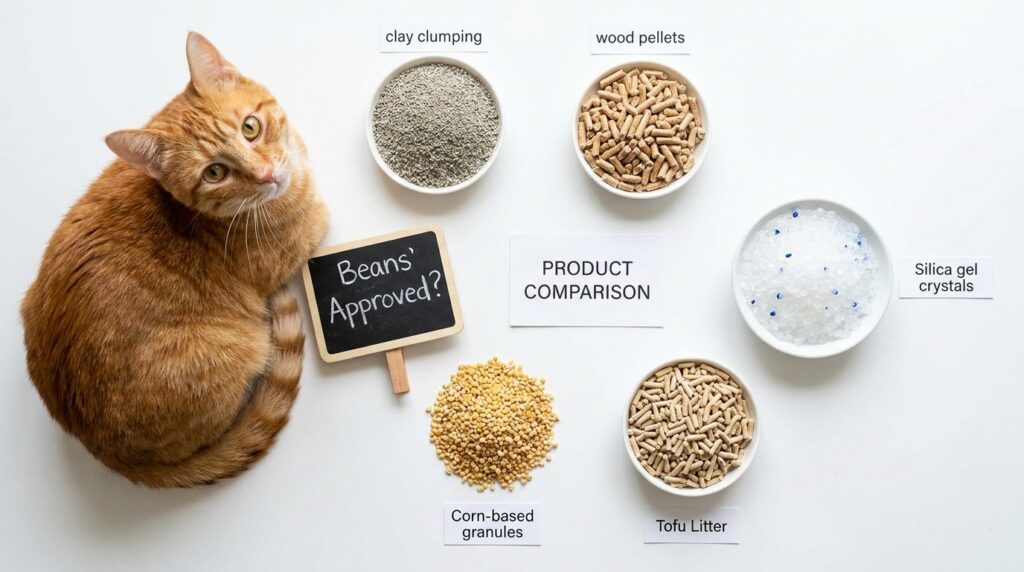
Why Most Cat Litters Fail at Odor Control
This is the part nobody explains upfront, and it’s why you keep switching litters and still losing.
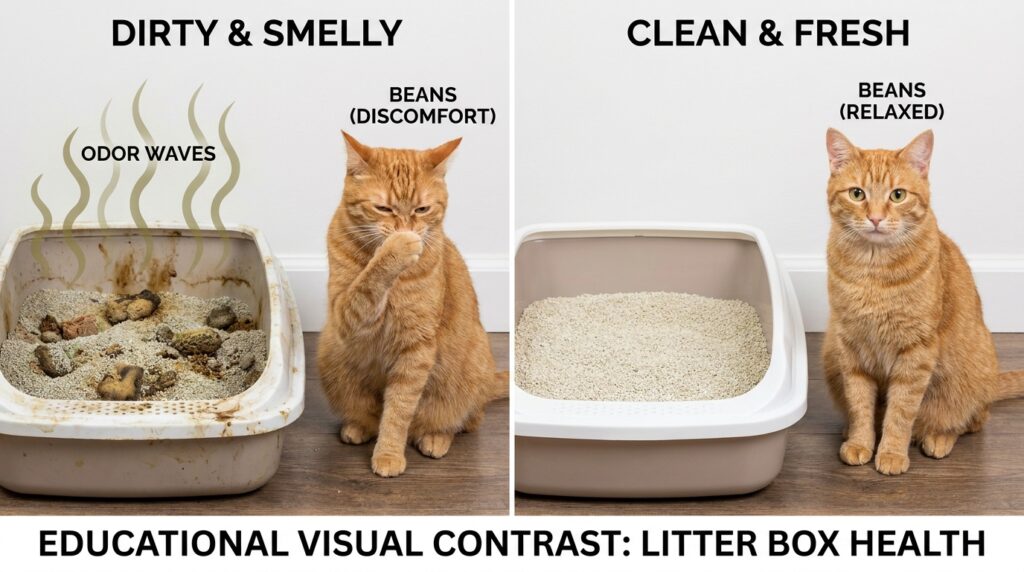
Litter box smell has two sources. They need different solutions.
Ammonia comes from urine. Bacteria break down urea and produce ammonia gas within hours — faster in a warm room. Litters that fail here have weak absorption or loose clumping that lets urine pool at the bottom of the box.
Hydrogen sulfide comes from feces. It’s sharper, more offensive. Litters that throw perfume at this are not controlling odor — they’re layering smells. What actually works is activated charcoal (which traps odor molecules in its porous surface) or natural materials like pine that have real antimicrobial properties.
The clumping connection: a clump that crumbles when you scoop leaves urine residue behind. That residue keeps producing ammonia. Clumping quality and odor performance are not separate things.
The Picks
1. Dr. Elsey’s Ultra — Best Overall
Who it’s for: Most single-cat apartments and budget-conscious multi-cat homes
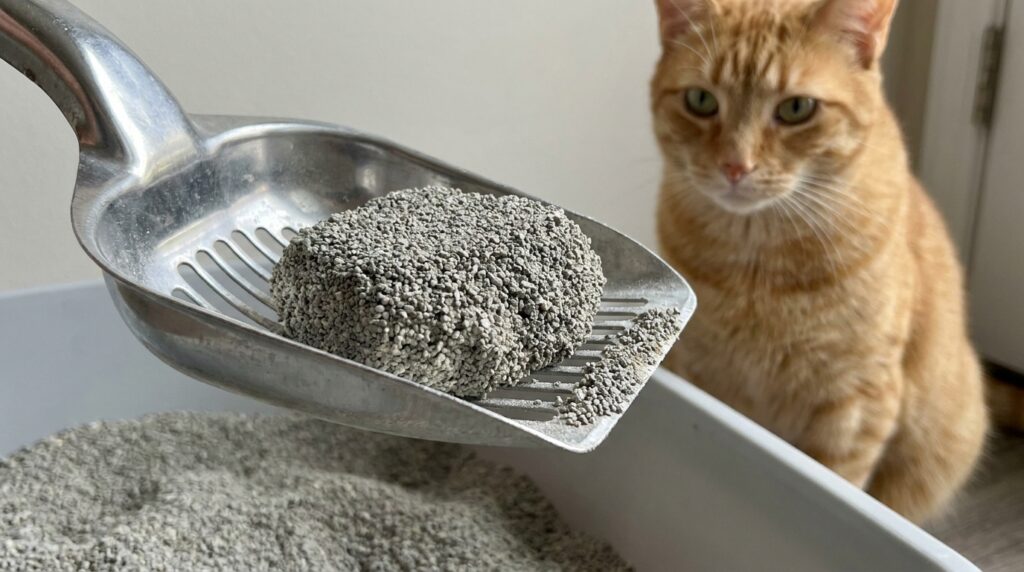
At around $0.50/lb, Dr. Elsey’s is the benchmark I use when testing anything else. The medium-grain bentonite clay clumps hard — clumps that don’t crumble on the scoop, which is what keeps ammonia from spreading through the rest of the litter.
I tested this deliberately at 48 hours without scooping. The urine clumps stayed contained. Ammonia was detectable but not room-filling. Cheaper litters at the same interval were noticeably worse.
The 99.9% dust-free claim holds. I checked my dark floors after pouring — almost nothing. Beans had no respiratory reaction during the switch.
One caveat: in hot, humid summer weeks the ammonia breakthrough was more noticeable than in cooler months. If you live somewhere with real summers, consider a box deodorizer as a supplement.
Odor/Dust Combo Score: 9/10
2. Fresh Step Extreme with Activated Charcoal — Best for Heavy Odor Loads
Who it’s for: Multi-cat homes, intact males, cats on high-protein diets
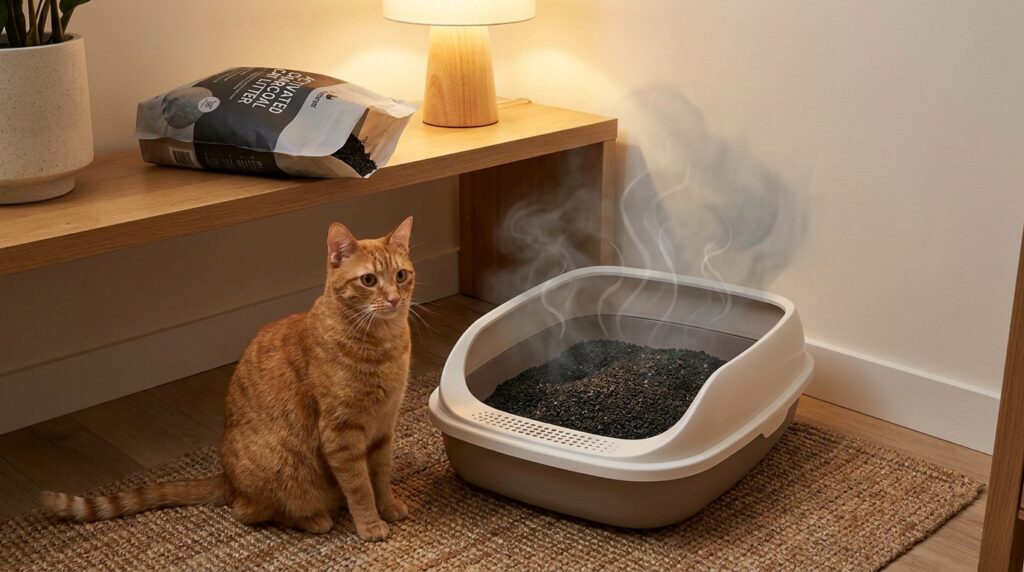
Activated charcoal is the real differentiator. It adsorbs odor molecules — not absorbs, adsorbs — trapping them in a porous surface rather than masking them with fragrance. That distinction matters when you’re trying to understand why this works and scented clay doesn’t.
The 10-day odor control guarantee is not pure marketing. At day 7 the box was still manageable. When a friend’s cat stayed with us for a week and the box was running double capacity, this litter handled it without going offensive.
Dust is low but not the cleanest on this list — there’s a small cloud on pouring. Most households won’t care. If your cat already has respiratory issues, that small amount matters.
The scent is the legitimate concern. Some cats flat-out refuse scented litters. If Beans weren’t indifferent to fragrance, I’d have had a box-avoidance problem. Test a small bag before committing.
Odor/Dust Combo Score: 8.5/10
3. Feline Pine Pellets — Best for Dust-Free + Natural Odor Control
Who it’s for: Cats with respiratory issues, owners with dust allergies, anyone who wants no synthetic fragrance anywhere near the box
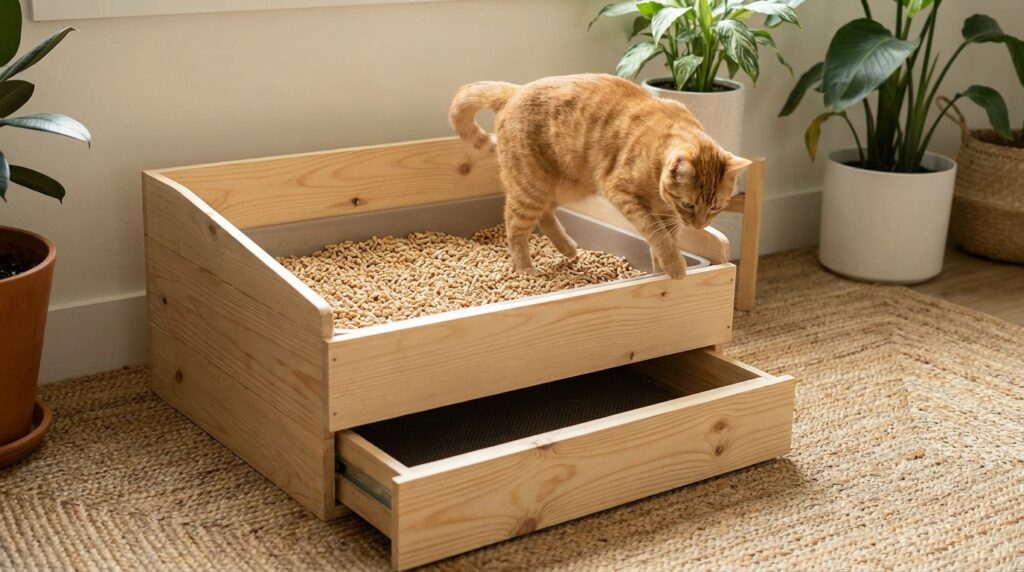
Pine has genuine antimicrobial properties. It doesn’t just cover ammonia — it neutralizes it. That’s a different mechanism than most litters, and it shows in long-term use. The pellets break down into sawdust when wet, which falls through a sifting box to the tray below. The system is low-maintenance once you get used to it.
Beans took about 10 days to accept it. Pine pellets feel and sound different — he was suspicious. A 50/50 mix with his old litter for the first week got him over it.
Dust: virtually none. I have asthma and this is what I use during flare weeks. The sawdust in the tray looks dusty but doesn’t go airborne.
The scooping routine is different and some people hate it. You only scoop solids — urine is handled by the breakdown system. If you need a “scoop everything daily” routine to stay consistent, this might work against you.
Odor/Dust Combo Score: 9/10
4. World’s Best Cat Litter — Best for Eco + Flushable
Who it’s for: Eco-conscious households, apartment dwellers who want to flush waste
Whole-kernel corn clumps firmly and absorbs odor without fragrance. It’s actually flushable — unlike clay, which should never go near a drain. I use the unscented formula, which is the harder test: no fragrance to hide behind, just absorption doing the work.
It tracked with Dr. Elsey’s for the first 5–6 days, with more odor breakthrough toward the end of the litter cycle. For one cat that’s fine. For two, change it a few days earlier than the label suggests.
One practical warning: corn-based litters can attract bugs in warm, humid climates if the bag sits open. Reseal it and store somewhere cool.
Odor/Dust Combo Score: 8/10
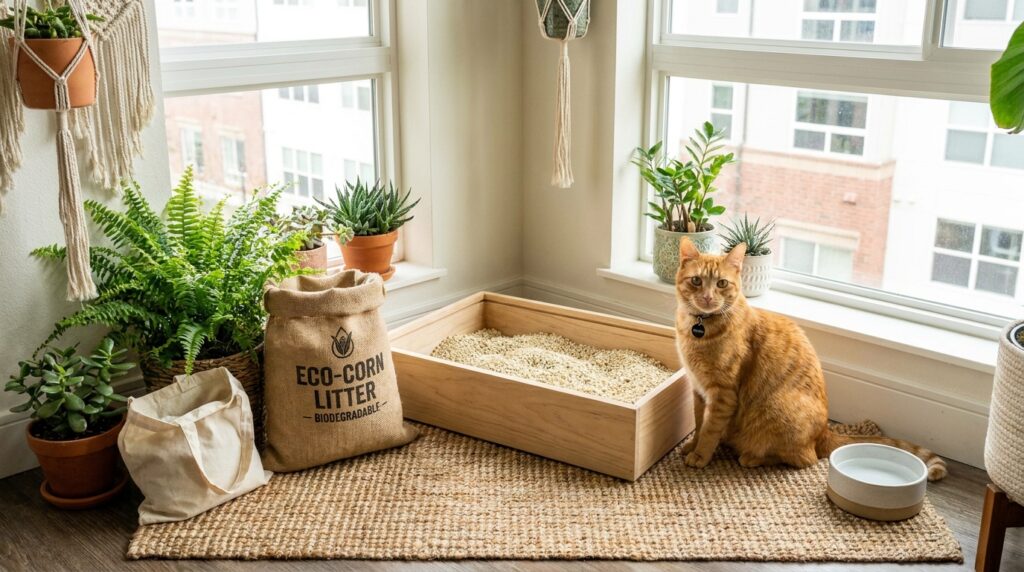
5. Tuft & Paw OdorStop — Best for Tracking + Odor Together
Who it’s for: Cats who scatter litter everywhere, households fed up with trail-cleaning
This is the most interesting formulation I’ve tested. Activated charcoal tofu pellets handle ammonia adsorption, pea fiber adds natural absorption, and sodium bentonite delivers hard clumping. Three different mechanisms in one box.
The oblong pellet shape is what keeps tracking down — it doesn’t cling to paws the way fine clay does. Beans left noticeably less litter outside the box. That matters more than people think, because tracked litter carries odor with it.
It’s around $1.50+/lb, which is a real premium over the Dr. Elsey’s options. If tracking isn’t a problem in your house, the price difference is hard to justify. If it is, this is worth it.
Odor/Dust Combo Score: 9.5/10
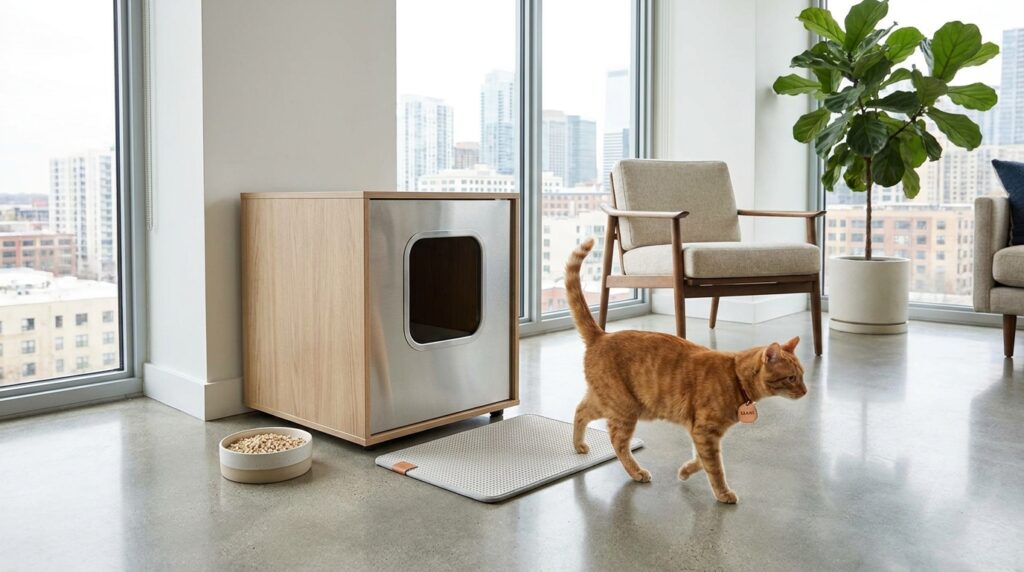
6. SmartCat All Natural (Grass Seed) — Best for Sensitive Cats and Owners
Who it’s for: Cats or owners with allergies or sensitivities to clay, synthetic dyes, or fragrance
Made from US-grown grass seed — no clay, no dyes, no fragrance. Odor control is pure absorption and tight clumping. The texture is soft and sand-like, which most cats accept without fuss.
Beans transitioned immediately, no protest. That’s meaningful because litter rejection is a real problem with texture-sensitive cats, and if you’re switching to a natural litter you don’t want to fight your cat on top of everything else.
The clumps are solid but not quite as rock-hard as bentonite clay. It also tracks a bit further because it’s lighter. Manageable, but worth knowing.
Odor/Dust Combo Score: 8.5/10
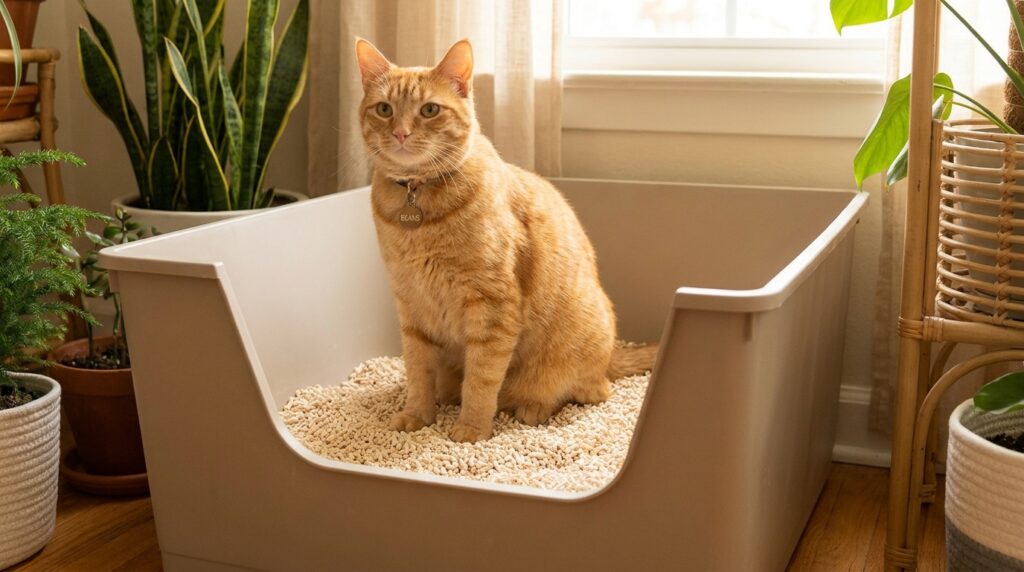
7. Arm & Hammer Clump & Seal — Best Budget Multi-Cat Option
Who it’s for: Two-cat households who need odor control without spending a lot
Baking soda neutralizes ammonia chemically — it’s not just a smell trick. The Clump & Seal formula builds on that with hard clumps that trap odor before it escapes.
Over a 10-day window with two cats, odor breakthrough showed up around day 8. That’s reasonable. The main trade-off is dust — moderate, not terrible, but noticeable if you’re pouring it in a small space. If dust is a primary concern, Dr. Elsey’s is worth the slight price difference.
Odor/Dust Combo Score: 7.5/10
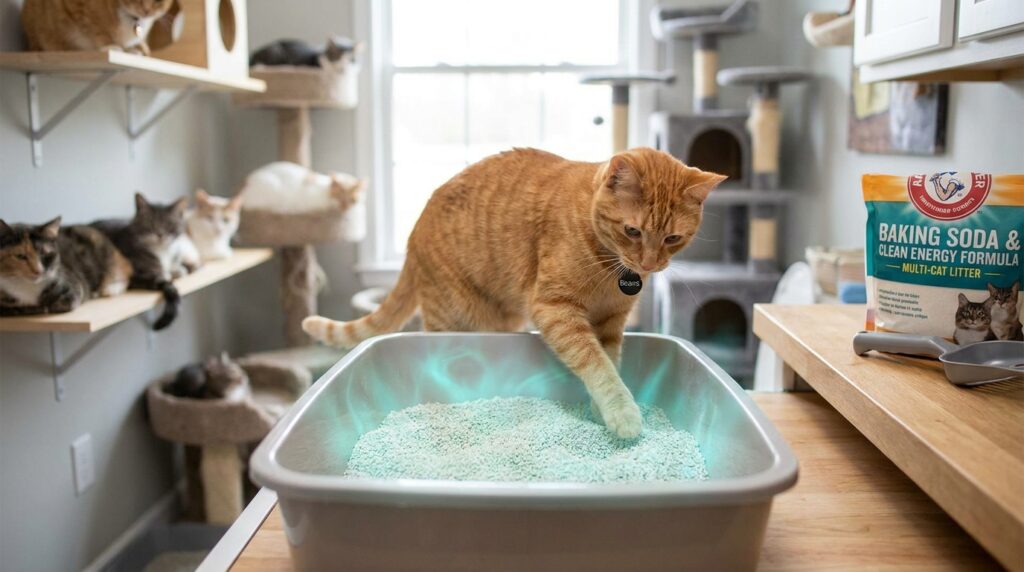
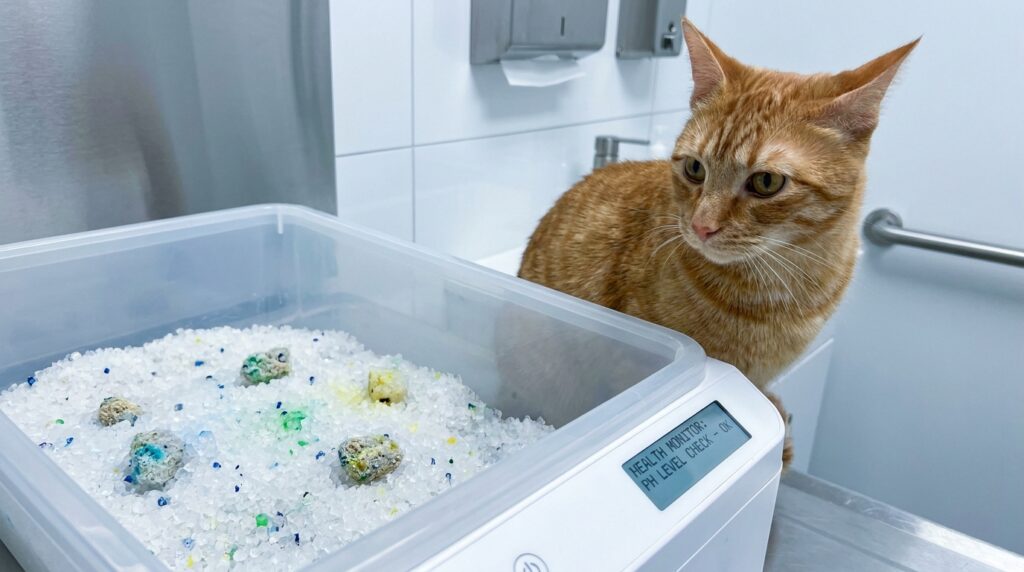
8. PrettyLitter — Best If Your Cat Has Urinary Issues
Who it’s for: Male cats, any cat with a urinary history, owners who want early health signals
PrettyLitter changes color based on urinary pH and blood markers. For indoor male cats — who are prone to urinary problems — catching a change in urine chemistry weeks before symptoms appear is a real advantage.
The silica crystal formula controls odor by absorbing moisture and dehydrating waste rather than clumping it. Bacterial activity — the thing that produces ammonia — gets interrupted at the source. Monthly subscription means you’re always using fresh litter.
The routine is different from clumping: scoop solids daily, stir the crystals, full change monthly. If you’re used to scooping everything in one pass, this takes adjustment. The price ($2+/lb) is the other obstacle — it’s a premium product with a premium cost.
Odor/Dust Combo Score: 8.5/10
Best Cat Litter for Odor Control and Dust-Free: The Combined Guide
Most guides split these into separate articles. They shouldn’t — dust and odor are connected. Fine particles in the air carry bacteria and odor compounds with them. A litter that’s dusty isn’t just annoying; it’s spreading the problem.
Best at both: Feline Pine, SmartCat, Tuft & Paw OdorStop Strong on both: Dr. Elsey’s Ultra, PrettyLitter, Fresh Step Extreme Decent on both: World’s Best, Arm & Hammer Clump & Seal
One honest recommendation: if you can only buy one bag and need both dust and odor handled, Feline Pine or SmartCat are the real answers. If you need maximum odor control and a small amount of dust is fine, Dr. Elsey’s Ultra is the best dollar-for-dollar choice on this list.
Best Cat Litter Box for Odor Control: The Box Matters More Than People Think
You can buy the best litter on this list and still have a smelly room if the box is wrong. A few things that actually matter:
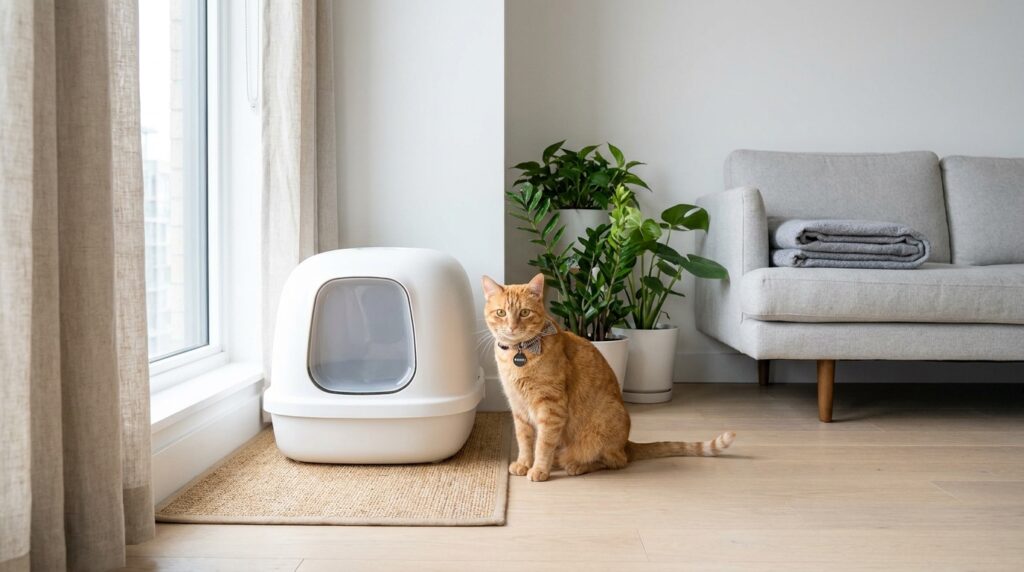
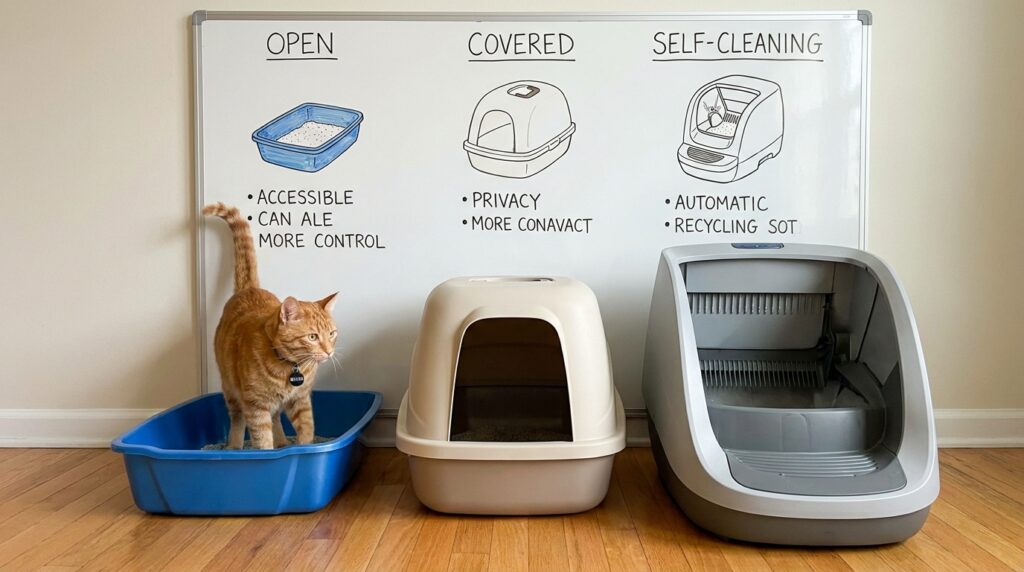
Covered vs. uncovered: A covered box traps ammonia inside — which means your cat breathes concentrated ammonia every time they use it. Many cats avoid covered boxes for exactly this reason. If you use one, clean it more often, not less.
Size: Too small, and your cat stands in used litter, distributing odor on their paws and through your home. The rule: 1.5 times your cat’s body length, at minimum.
Self-cleaning boxes: These remove waste faster than any human scooping schedule can. The Litter-Robot is the benchmark. Check litter compatibility before buying — not every litter works in every automatic box.
The box itself ages: Scratched plastic retains bacteria in the grooves. Most people keep a litter box way too long. Replace it every one to two years.
Placement: A box in a closed closet will smell worse than the same box in a ventilated corner. Airflow matters and almost nobody mentions it.
Decision Matrix: Match Your Situation to the Right Litter
One cat, small apartment → Dr. Elsey’s Ultra. Nothing to overthink.
Multiple cats → Fresh Step Extreme or Arm & Hammer Clump & Seal.
Cat or owner has respiratory issues / dust allergies → Feline Pine or SmartCat. Not negotiable.
You want eco-friendly and flushable → World’s Best Cat Litter.
Odor and tracking are both problems → Tuft & Paw OdorStop.
Male cat with urinary history → PrettyLitter.
Budget isn’t a concern, you want the most complete solution → Tuft & Paw OdorStop.
How Often to Change Cat Litter
Clumping litters: Scoop daily. Full change every 2–4 weeks. One cat can go toward 4 weeks; two cats should be closer to 2.
Non-clumping clay: Full change weekly. These saturate faster than clumping options.
Pine pellets: Scoop solids daily, let the sawdust accumulate 2–3 weeks, then full change.
Silica crystals (PrettyLitter): Scoop solids daily, stir the crystals, full monthly change per cat.
The honest part: daily scooping does more for odor control than any litter on this list. If you’re fighting persistent smell and scooping every couple of days, the litter is probably not your main problem.
What Two Years of Testing Taught Me
The biggest odor mistake isn’t buying the wrong litter. It’s an undersized box, scooping every three days, and keeping a scratched-up plastic box way past its useful life.
The second mistake is trusting “14-day odor control” claims in a two-cat house. Those numbers assume one cat, optimal conditions, and daily scooping. Build in a buffer.
Third: switch litters slowly. A 50/50 mix for 7–10 days prevents box avoidance, which creates odor problems no litter can fix.
Final Verdict
Best overall: Dr. Elsey’s Ultra — reliable odor and dust performance at half the price of the competition.
Best for odor control and dust-free together: Feline Pine or SmartCat — both hit the dual criteria without compromise.
Best premium pick: Tuft & Paw OdorStop — the most complete solution if you’re not watching costs.
Best for health monitoring: PrettyLitter — worth it for male cats or any cat with a urinary history.
The right litter is the one your cat will actually use. All the odor science doesn’t help if your cat avoids the box. Start with texture preference, then optimize from there.