Affiliate disclosure: Some links in this post are affiliate links. If you buy through them, I earn a small commission at no extra cost to you. I only recommend products I’ve actually used with my own cats.
For one cat, usually not, unless your actual problem is smell or your schedule makes daily scooping unreliable. An automatic litter box solves a labor problem, not a cat behavior problem. If you’re scooping once a day and keeping on top of it, a $25 manual box does the same job an automatic one does for a fraction of the price and with none of the mechanical failure risk.
I say this having used both. I ran an automatic box for about four months before switching back to manual for one of my cats, not because the automatic one failed, but because I realized I was cleaning the sensor and rake mechanism almost as often as I would’ve just scooped a regular box.
What the automatic box is actually solving
The core pitch of a self-cleaning litter box is that it rakes waste into a sealed compartment after your cat leaves, so you’re not scooping daily and the box doesn’t build up odor between cleanings. For someone who travels frequently, works long irregular hours, or genuinely struggles to keep up with a daily scooping routine, that’s a real problem worth solving with money.
For a single cat in a household where someone’s around daily, the labor being saved is maybe two minutes a day. That’s the honest math. The value isn’t in time saved, it’s in consistency for people who know they won’t stay consistent otherwise.
Where automatic boxes cause new problems
Automatic boxes have moving parts, sensors, and rake mechanisms that clump litter can jam, especially with lower-quality or non-recommended litter brands. Some cats are also spooked by the noise or motion of the rake cycle, particularly if it triggers while they’re still nearby, which can create a litter box aversion that’s worse than the smell problem you were trying to fix. If your cat is already anxious or has ever avoided a litter box before, introducing an automatic one is a real risk, not a minor adjustment period.
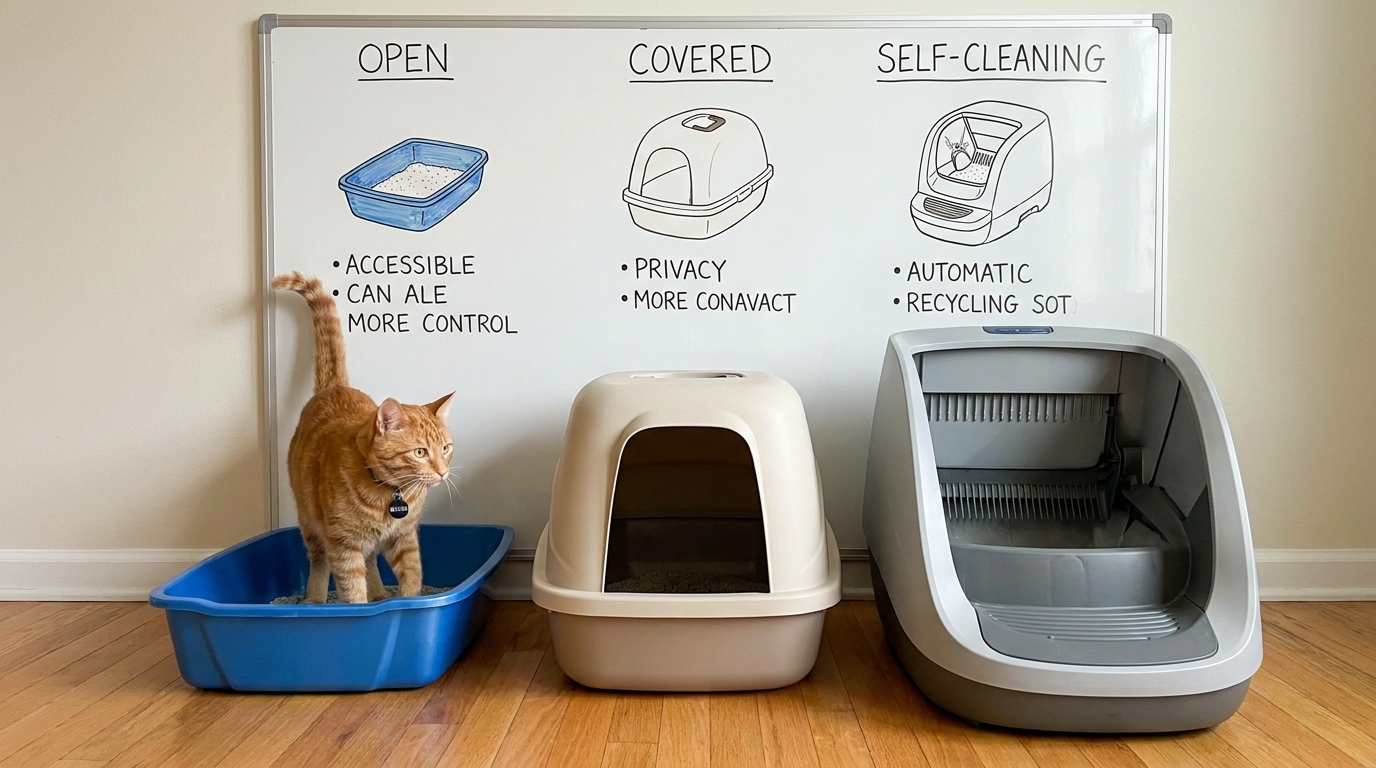
They also cost meaningfully more to run. You’re locked into specific litter types for most models, replacement waste bags or trays add an ongoing cost a manual box doesn’t have, and repairs on the motor or sensor aren’t cheap if something breaks after the warranty period.
Where a manual box is genuinely fine
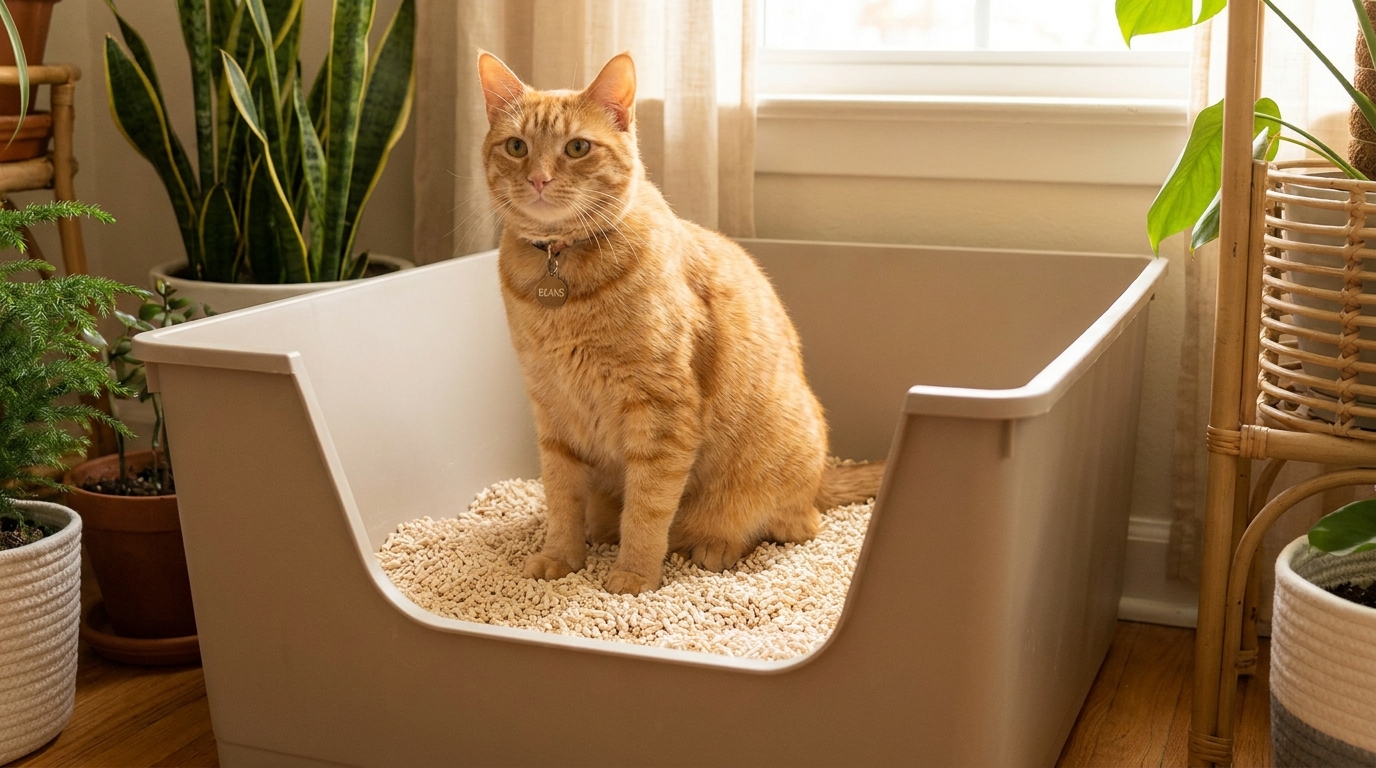
If you’re capable of scooping once or twice a day, a manual box with a good clumping litter handles odor and cleanliness just as well as an automatic one, for a tenth of the cost and with zero mechanical risk. The scooping itself takes under a minute once it’s part of a routine. Most odor complaints about manual boxes trace back to infrequent scooping or litter type, not the box itself.
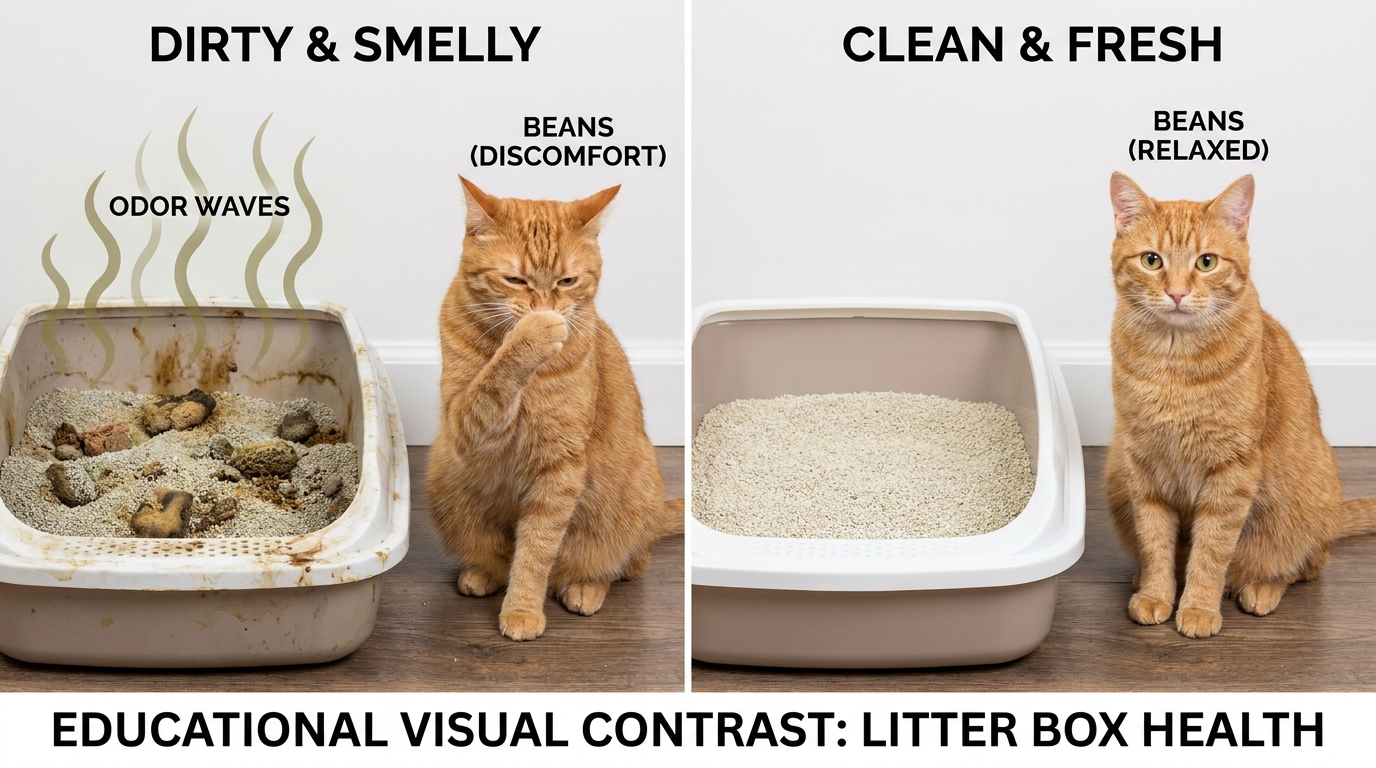
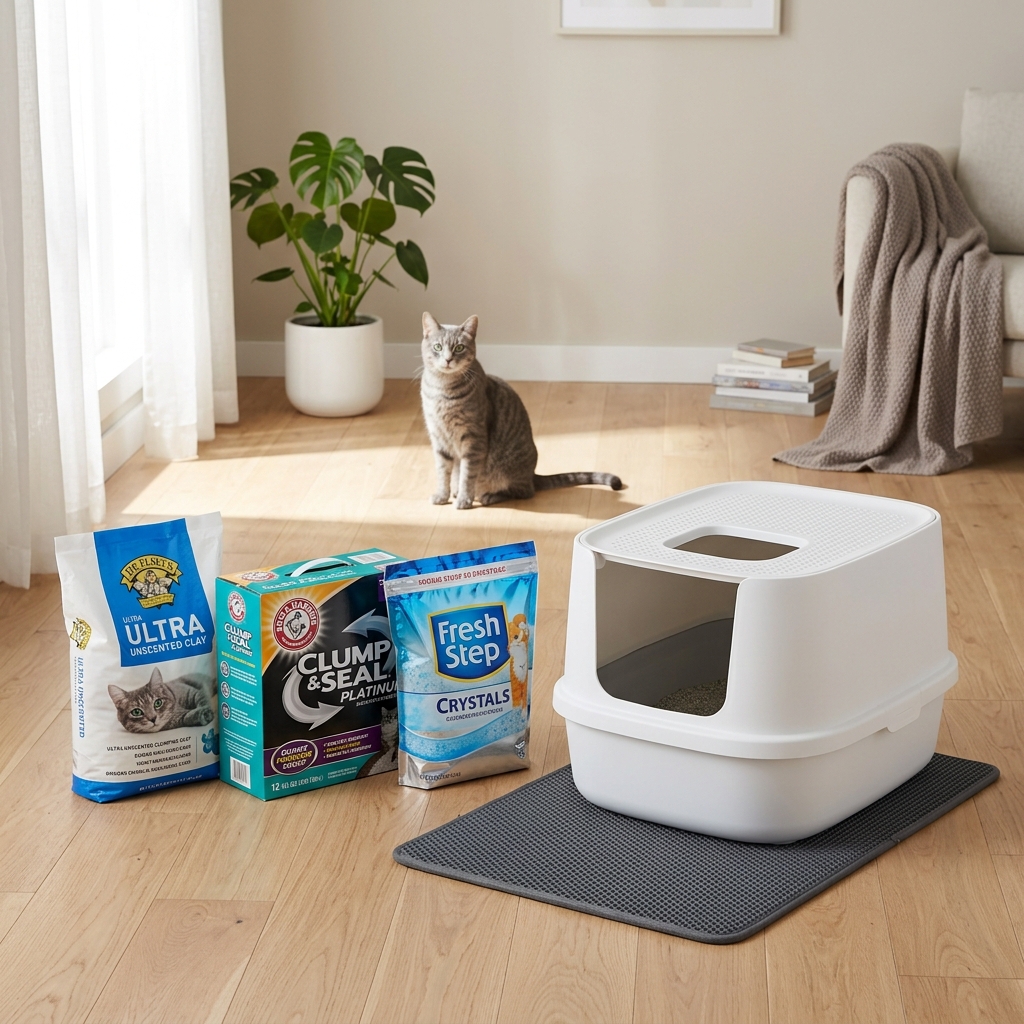
If your actual complaint is smell rather than labor, a covered box or a switch to a stronger-clumping, lower-dust litter usually solves it for less money than an automatic box would, and without introducing a new failure point. I go into litter options specifically in my post on best litter for odor control.
When I’d actually recommend one
Multi-cat households where the volume of waste outpaces reasonable scooping frequency, or single-owner households with genuinely unpredictable schedules, are where automatic boxes earn their cost. One healthy adult cat, one reasonably present owner, and a normal daily routine is the scenario where I’d tell you to save the money and buy a good manual box and a bag of quality litter instead.
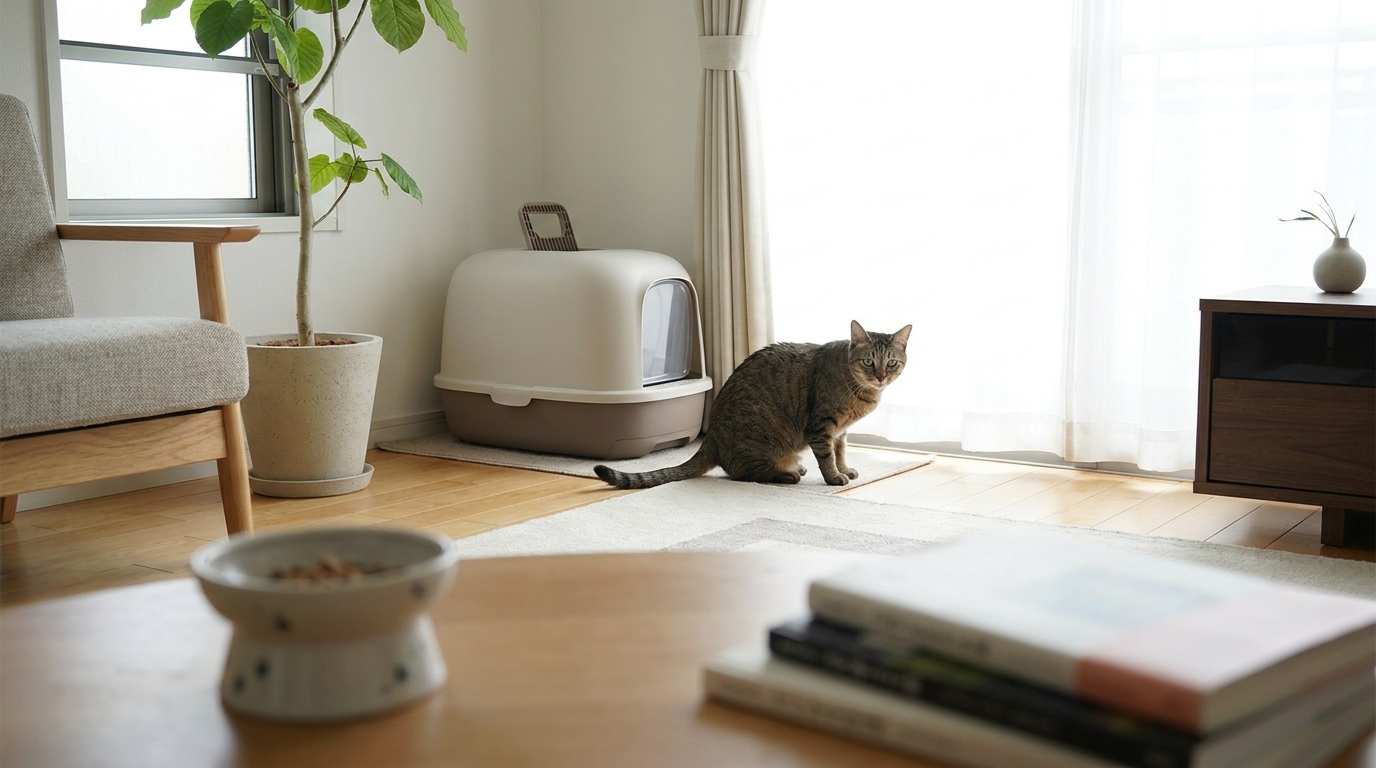
Is Your Cat Getting Enough Hydration?
Litter box habits are directly tied to your cat’s urinary health. Proper hydration is critical to prevent urinary tract issues. Read my comparison of water fountains versus regular bowls to see what actually works to increase their water intake:
FAQ
Do automatic litter boxes really eliminate smell better than manual?
They reduce the frequency you’re exposed to fresh waste smell since it’s sealed after each use, but they don’t eliminate odor entirely, and a poorly maintained automatic box can smell worse than a scooped-daily manual one.
Can automatic litter boxes scare cats away from using the litter box?
Yes, this happens often enough to be a known issue. The rake cycle’s noise or motion can spook cats, especially if it activates while the cat is still nearby, leading some cats to avoid the box entirely.
How much does an automatic litter box cost to maintain?
Beyond the upfront cost, expect ongoing costs for compatible litter, waste liners or trays depending on the model, and occasional part replacement, which manual boxes don’t require.
Is an automatic litter box worth it for one cat?
Usually only if your actual constraint is an unreliable schedule rather than a preference for less scooping. For one cat with a present owner, the cost-to-benefit ratio favors a manual box.
What litter works best with automatic litter boxes?
Most automatic boxes require a specific clumping litter type to avoid jamming the rake mechanism. Check your model’s requirements before buying litter, since non-recommended brands are the most common cause of malfunctions.