By Emma Hartley | Reviewed by IndoorCatWell Editorial Team | Last updated October 2026
Many cat owners choose an indoor lifestyle because they want to protect their pets from outdoor dangers. Keeping a cat indoors can reduce risks from traffic accidents, fights with other animals, infectious diseases, parasites, and extreme weather. However, a longer life is not created by location alone.
An indoor cat’s lifespan depends on many connected factors, including genetics, diet, preventive healthcare, body weight, mental stimulation, dental health, and the quality of the home environment.
A healthy indoor cat can often live between 12 and 18 years, and many cats reach their late teens or early twenties when they receive consistent care. The difference between an average lifespan and a longer, healthier life often comes from small daily decisions made throughout the cat’s lifetime.
This guide explains what truly influences indoor cat lifespan, which habits support healthy aging, and what owners can do at every stage of life to improve their cat’s wellbeing.
Quick Answer: What Is the Average Indoor Cat Lifespan?
The average indoor cat lifespan is approximately 12 to 18 years, although some cats live beyond 20 years. Indoor cats generally live longer than outdoor cats because they avoid environmental hazards, but longevity is strongly driven by balanced nutrition, regular veterinary care, healthy weight management, dental health, daily physical activity, and mental enrichment.
Key Takeaways: What Influences Longevity
- Indoor cats live longer: They avoid road accidents, animal attacks, and viral infections.
- Location is just step one: Everyday nutrition, enrichment, and preventive checkups determine vitality.
- Obesity is the top preventable threat: Excess weight shortens life and worsens diabetes and joint arthritis.
- Preventive vet visits catch disease early: Kidney disease, hyperthyroidism, and dental issues are manageable when caught in early stages.
- Mental stimulation is mandatory: Indoor cats maintain predatory hunting drives that require daily play and vertical spaces.
- Senior care requires proactive adjustments: Cats 11+ require softer bedding, accessible resources, and frequent wellness exams.
The Main Factors That Affect Indoor Cat Lifespan
Food plays a major role in an indoor cat’s long-term health. Cats are obligate carnivores, meaning their bodies require nutrients naturally found in animal-based foods. A complete diet should provide appropriate levels of animal protein, essential amino acids (such as taurine), fats, vitamins, and minerals.
However, good nutrition is not only about choosing high-quality food. Feeding the correct portion size is equally important. Many indoor cats gain weight because they have fewer opportunities to burn calories compared with outdoor cats.
Common feeding mistakes include:
- Leaving unlimited dry food (free-feeding) available all day
- Giving too many treats without subtracting from daily meal allowances
- Not adjusting portions downward as activity levels decline with age
- Ignoring gradual weight gain until significant obesity develops

Why Weight Management Matters for Indoor Cats
Maintaining a healthy weight is one of the single most influential ways to extend an indoor cat’s lifespan. Excess adiposity causes chronic low-grade systemic inflammation and places heavy stress on cardiovascular and skeletal systems.
| Health Concern | Why It Matters |
|---|---|
| Diabetes | Extra body fat can affect insulin regulation and dramatically elevate risk of feline type II diabetes. |
| Joint problems | Additional weight increases biomechanical stress on cartilage, accelerating arthritis and chronic pain. |
| Reduced activity | Heavier cats play and move less, creating a negative feedback loop of progressive muscle wasting. |
| Grooming difficulties | Overweight cats struggle to reach hindquarters, predisposing them to matted fur and skin infections. |
| Lower quality of life | Movement, jumping, and comfort decrease significantly when carrying surplus body weight. |
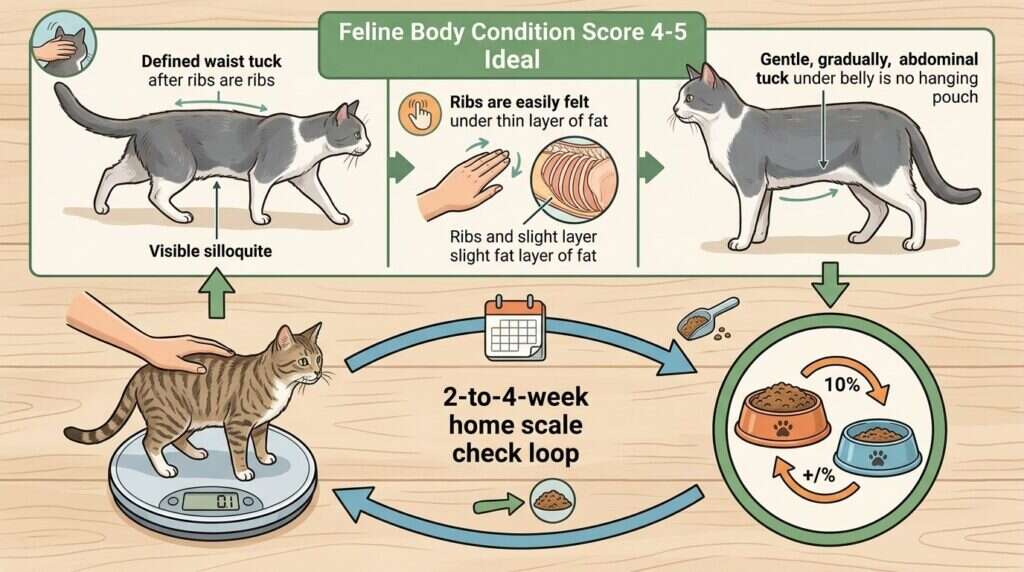
Owners should regularly evaluate feline body condition score (BCS) rather than relying solely on visual appearance. In a healthy cat:
- Ribs should be easily felt under a slight fat covering without pressing firmly.
- A visible waist should taper behind the ribs when viewed from above.
- An abdominal tuck should be present when viewed from the side.
If your cat’s weight shifts suddenly in either direction, consult your veterinarian. Unexplained weight loss is often an early clinical indicator of renal dysfunction, diabetes, or hyperthyroidism.
Preventive Veterinary Care and Early Detection
Cats are evolutionary masters at concealing discomfort and illness. In the wild, displaying weakness invited predation or territory loss. Consequently, indoor cats rarely announce pain until diseases are substantially advanced.
Routine preventive veterinary checkups are essential for catching issues before irreversible damage occurs:
- Comprehensive wellness exams: Checking lymph nodes, heart murmurs, abdominal palpation, and joints.
- Core vaccinations: Protecting against feline viral rhinotracheitis, calicivirus, and panleukopenia (FVRCP) and rabies.
- Parasite prevention: Indoor cats remain vulnerable to fleas carried inside on clothing or heartworm transmitted by mosquitoes.
- Senior blood panels: Routine biochemistry, complete blood count (CBC), and urinalysis starting at age 7–8 years to monitor renal and hepatic function.
Dental Health and Indoor Cat Longevity
Dental disease affects over 70% of cats by age three, making it one of the most widespread yet neglected threats to feline longevity. Periodontal disease is not merely a cosmetic or breath issue; oral bacteria can enter the bloodstream through inflamed gums, placing chronic stress on the kidneys and heart muscle.
Warning signs of dental pain include:
- Dropping kibble while chewing or chewing exclusively on one side
- Pawing at the mouth or rubbing the jaw against furniture
- Excessive drooling, bad breath, or red, swollen gum lines
- Reluctance to eat hard food or sudden appetite decline
Exercise, Mental Stimulation, and Enrichment
Outdoor cats naturally spend several hours daily patrolling territory, stalking prey, and climbing. While indoor life eliminates outdoor hazards, it removes this natural physical conditioning unless owners actively recreate it.
Regular exercise prevents boredom-induced overeating and preserves lean muscle mass into the senior years. Daily interactive sessions using wand toys mimic the natural predatory sequence: Stalk → Chase → Pounce → Catch → Eat.
| Activity | Benefit |
|---|---|
| Puzzle toys | Encourages problem-solving and slows down eating speed. |
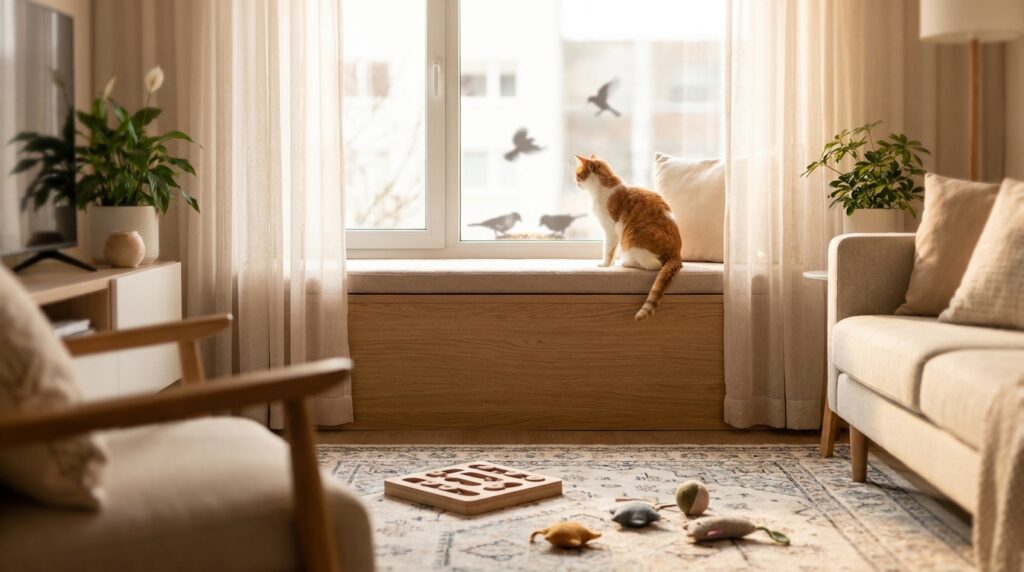
| Window viewing areas | Provides continuous visual stimulation watching birds and changing weather. |
| Rotating toys | Prevents habituation and keeps novel play sessions exciting. |
| Hide-and-seek games | Encourages natural scent tracking and hunting behavior. |
| Safe climbing areas | Supports vertical territory, muscle tone, and confidence. |
Indoor Environment Safety and Lifespan
Creating a safe home environment protects cats from household toxins and acute accidents. Common household risks include:
- Toxic plants: Lilies (Lilium and Hemerocallis) are fatal even in microscopic amounts (pollen or vase water); pothos, philodendron, and dieffenbachia cause severe oral irritation.
- Linear foreign bodies: Thread, dental floss, ribbons, and rubber bands can cause intestinal plication requiring emergency surgery.
- Unscreened windows: “High-rise syndrome” causes severe trauma when cats leap after birds through open windows.
- Chemicals & human medications: Acetaminophen (Tylenol), ibuprofen, and essential oils (tea tree, eucalyptus) are toxic to feline liver metabolism.
How Indoor Cat Lifespan Changes With Age
Young Adult Cats (1–6 Years)
This is typically the peak of vitality. Priorities include establishing portion control, providing daily exercise routines, and maintaining dental habits. Habits built now prevent obesity in later years.
Mature Cats (7–10 Years)
Cats begin experiencing subtle physiological slowdowns. Watch for decreased jump height, changes in coat quality, and subtle changes in water intake. Bi-annual vet checks become beneficial.
Senior Cats (11+ Years)
Age-related conditions such as arthritis, renal decline, and cognitive dysfunction become more prevalent. Support senior cats by providing low-sided litter boxes, orthopedic heated bedding, ramps or pet stairs to favourite windows, and senior blood screening every 6 months.
Common Mistakes That Reduce Indoor Cat Lifespan
- Assuming Indoor Cats Do Not Need Veterinary Care: Indoor cats still develop renal disease, diabetes, cancer, and hypertension. Routine exams remain essential.
- Feeding Without Measuring Portions: Free-feeding dry kibble leads to gradual calorie surplus and insidious weight gain.
- Ignoring Behavioral Changes: Subdued energy or hiding is often attributed to “aging” when it actually indicates manageable pain.
- Lack of Environmental Enrichment: Chronic boredom creates stress, which suppresses immune response and promotes urinary issues.
- Waiting Until Symptoms Are Severe: Prompt veterinary attention upon first subtle changes results in vastly better medical outcomes.
A Practical Indoor Cat Longevity Checklist
| Area | Action |
|---|---|
| Food | Choose complete, balanced animal-protein nutrition and measure daily portions with a gram scale. |
| Weight | Check body condition score monthly; adjust calories promptly if weight creeps upward. |
| Exercise | Provide at least 15–20 minutes of interactive play every day to maintain cardiac and muscle health. |
| Environment | Create vertical perches, scratching zones, and quiet retreat spaces away from loud household traffic. |
| Healthcare | Schedule annual checkups for adult cats; transition to twice-yearly exams with bloodwork for seniors (7+). |
| Dental Care | Monitor oral health, brush teeth if tolerated, and schedule professional veterinary cleanings when tartar builds. |
| Observation | Notice changes in appetite, litter box frequency, grooming, or gait quickly and seek prompt vet advice. |
Frequently Asked Questions
What is the average lifespan of an indoor cat?
Do indoor cats live longer than outdoor cats?
How can I increase my indoor cat’s lifespan?
What age is considered old for an indoor cat?
Can an indoor cat live a happy life?
Bottom Line: Longevity Is Built Daily
A long and thriving indoor cat lifespan is rarely about expensive gear or luck. It is the cumulative effect of small, repeated daily decisions: measured portions of nutritious food, clean fresh water, daily playtime that satisfies predatory drive, and prompt veterinary attention when subtle health shifts arise.
Explore related indoor cat health and wellness resources:
- How Long Do Indoor Cats Live?
- Best Indoor Cat Food Guide
- Indoor Cat Enrichment Ideas
- Senior Cat Care Guide
- Indoor Cat Weight Management Guide
About the Author: Emma Hartley is a dedicated cat care researcher and writer at IndoorCatWell, focusing on indoor feline environmental enrichment, health habits, and science-backed pet wellness.