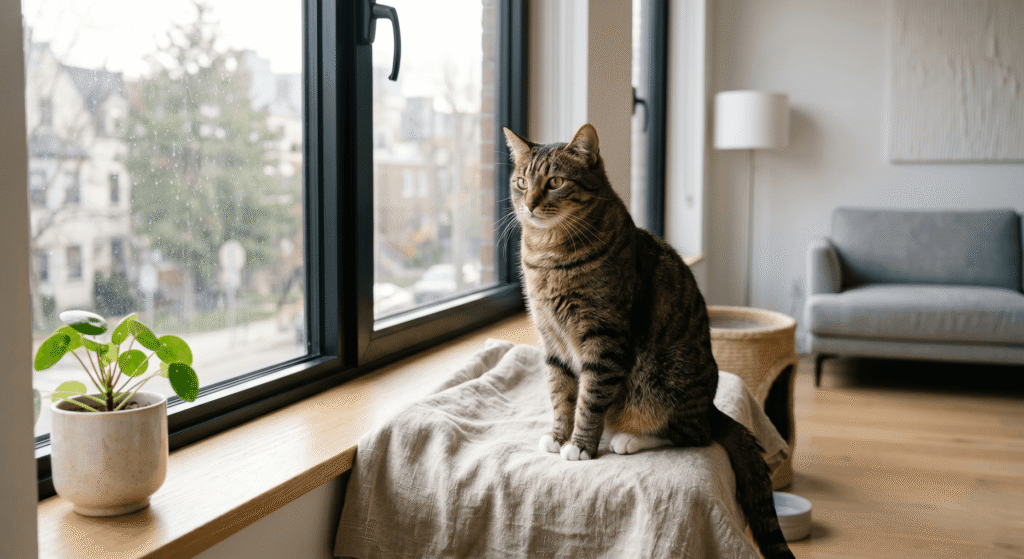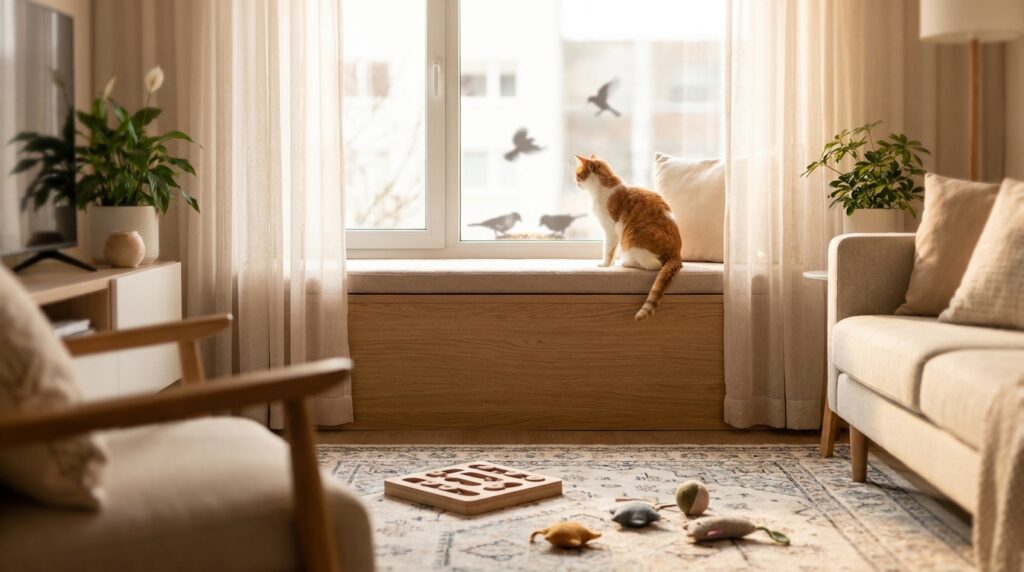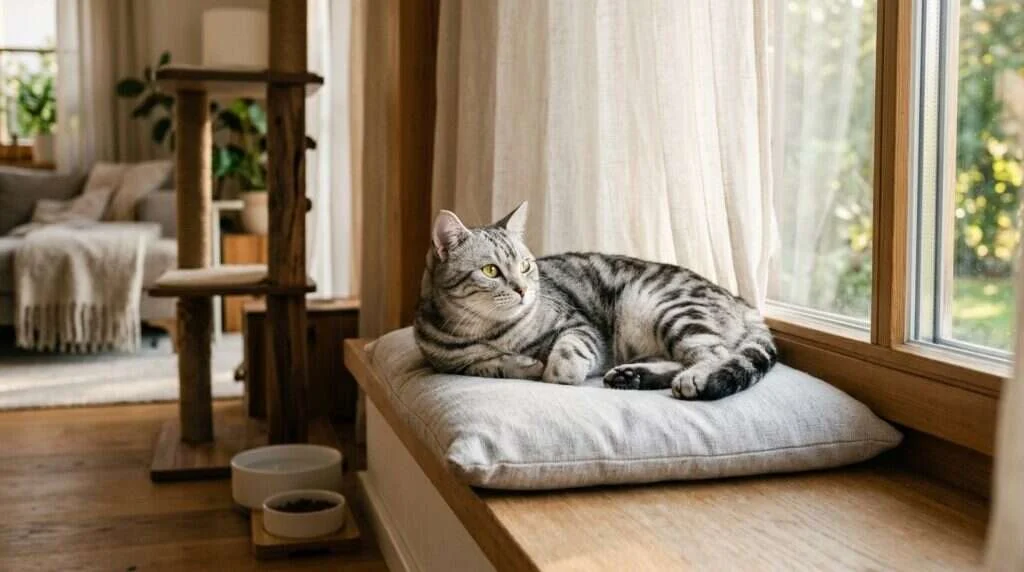
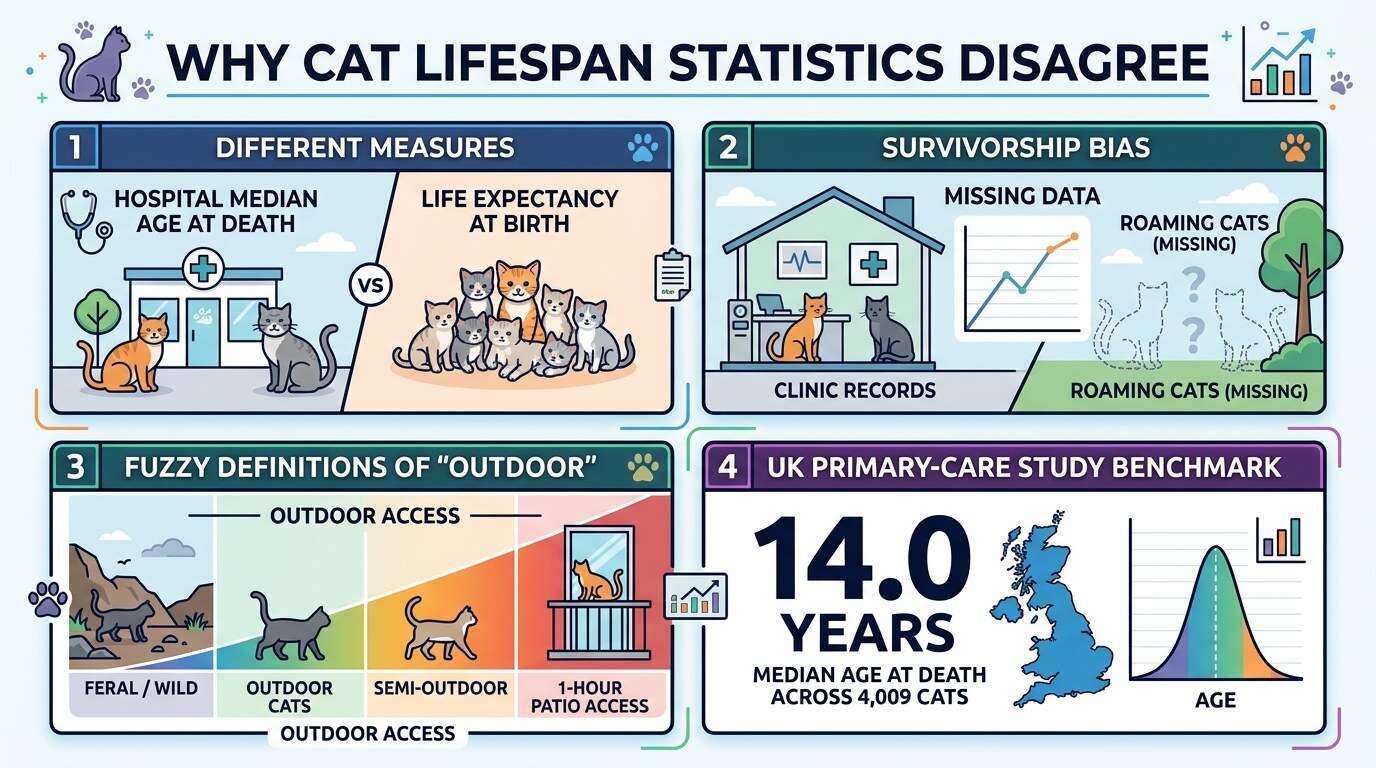
Many cat owners wonder how long do indoor cats live. The good news is that indoor cats often live significantly longer than cats that regularly roam outside because they are protected from many common dangers such as traffic accidents, infectious diseases, fights with other animals, parasites, and environmental hazards.
However, an indoor lifestyle alone does not guarantee a long life. A cat’s lifespan depends on several factors, including genetics, diet, preventive healthcare, weight management, dental care, activity level, mental stimulation, and the quality of their living environment.
An indoor cat can commonly live around 12 to 18 years, while some well-cared-for cats reach their early 20s or beyond. The goal is not only helping cats live longer but also helping them maintain good physical and emotional health throughout each stage of life.
This guide explains how long indoor cats live, what changes during different life stages, which factors influence longevity, and what owners can do to support their cat’s health over the years.
Direct Answer: How Long Do Indoor Cats Live?
Indoor cats typically live between 12 and 18 years, although many healthy cats live into their early 20s with proper care. Lifespan varies depending on genetics, nutrition, veterinary care, weight, activity, dental health, and lifestyle.
Compared with outdoor cats, indoor cats usually have longer lifespans because they experience fewer risks from accidents, predators, infectious diseases, and environmental exposure.
A cat’s lifespan should be viewed as a combination of biological factors and daily care decisions. Regular veterinary checkups, balanced nutrition, maintaining a healthy weight, providing enrichment, and noticing health changes early can all contribute to a longer and healthier life.
Quick Takeaways
- Indoor cats commonly live 12–18 years, with some reaching 20+ years.
- Preventive veterinary care is one of the strongest factors supporting long-term health.
- Obesity can shorten lifespan and increase the risk of chronic conditions.
- Indoor cats still need exercise, play, and environmental stimulation.
- Nutrition should change as cats move from kittenhood to adulthood and senior years.
- Early detection of health changes often leads to better outcomes.
Understanding Indoor Cat Lifespan by Life Stage
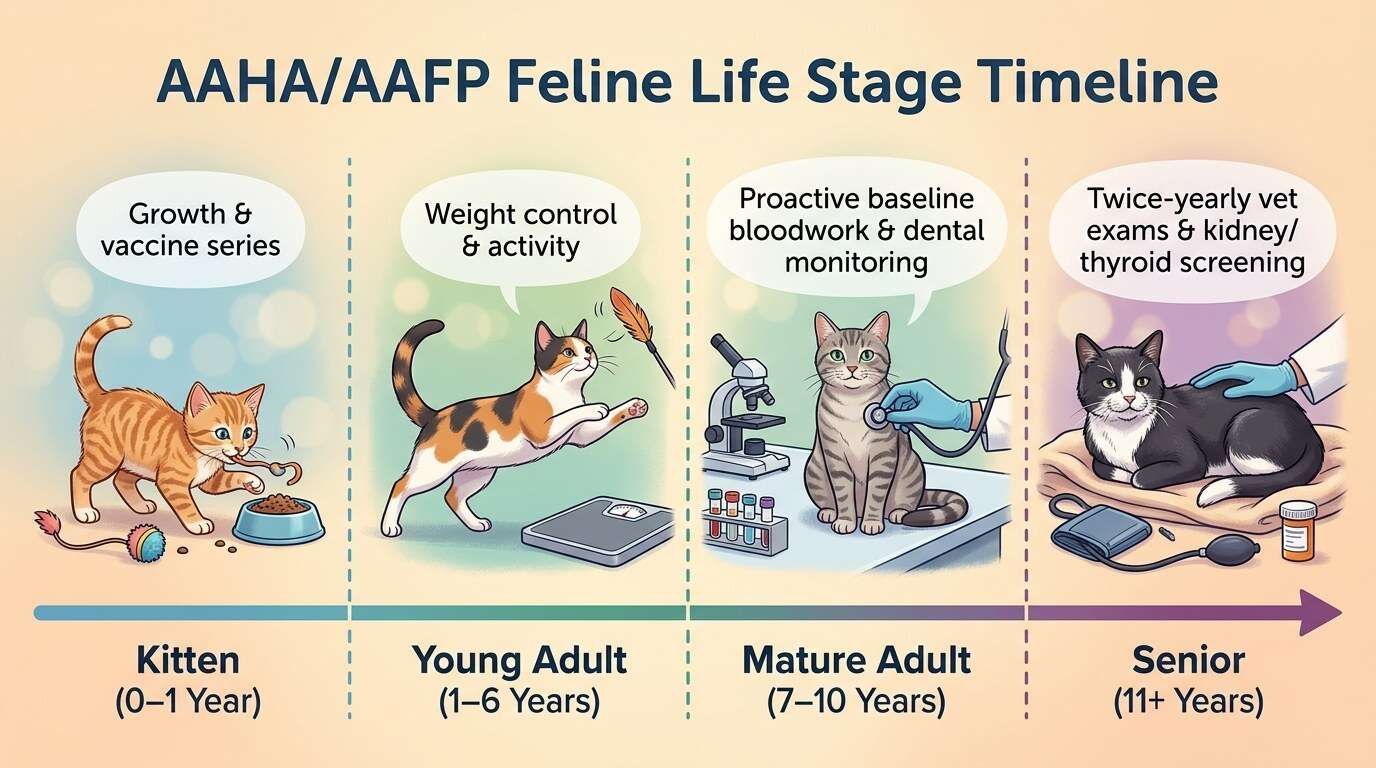
Cats experience different physical and behavioral needs throughout their lives. Understanding these stages helps owners provide appropriate care at the right time.
| Life Stage | Approximate Age | Main Needs |
|---|---|---|
| Kitten | Birth to 1 year | Growth nutrition, vaccinations, socialization |
| Young Adult | 1–6 years | Healthy weight, exercise, preventive care |
| Mature Adult | 7–10 years | Monitoring health changes, nutrition adjustment |
| Senior | 11+ years | Mobility support, frequent health checks |
Kitten Stage: Building the Foundation for a Long Life
The first year of a cat’s life creates the foundation for future health. During this period, kittens grow rapidly and require nutrition specifically designed for development.

Kittens need adequate protein, essential nutrients, vaccinations, parasite prevention, and positive social experiences. Even though indoor kittens are protected from many outdoor dangers, they still require veterinary care.
Important kitten care includes:
- Complete kitten nutrition
- Vaccination schedules
- Regular parasite checks
- Safe play opportunities
- Early exposure to handling and grooming
A kitten that receives proper care early has a stronger chance of developing healthy habits that continue into adulthood.
Adult Indoor Cats: Maintaining Health and Preventing Problems
The adult years are often the longest stage of a cat’s life. Many indoor cats appear healthy during this period, but small lifestyle issues can gradually affect future health.
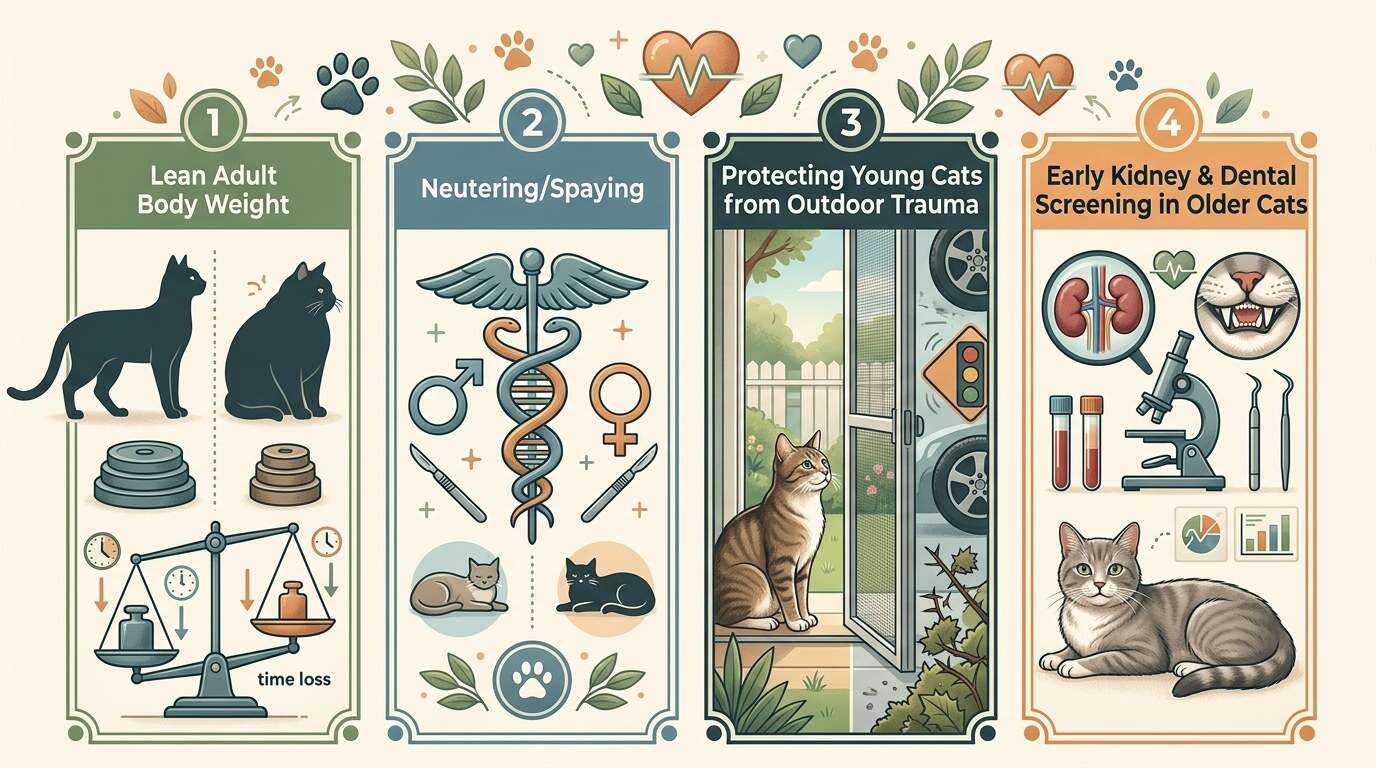
One of the biggest challenges for indoor cats is maintaining a healthy weight.
Indoor environments reduce natural opportunities for movement. Outdoor cats may climb, explore, chase, and hunt, while indoor cats rely on owners to provide activity.
Excess weight can increase the risk of:
- Diabetes
- Joint problems
- Reduced mobility
- Heart stress
- Lower quality of life
A healthy adult cat should have regular play sessions, appropriate portions, and opportunities to climb, explore, and interact with their environment.
Senior Indoor Cats: Supporting Healthy Aging
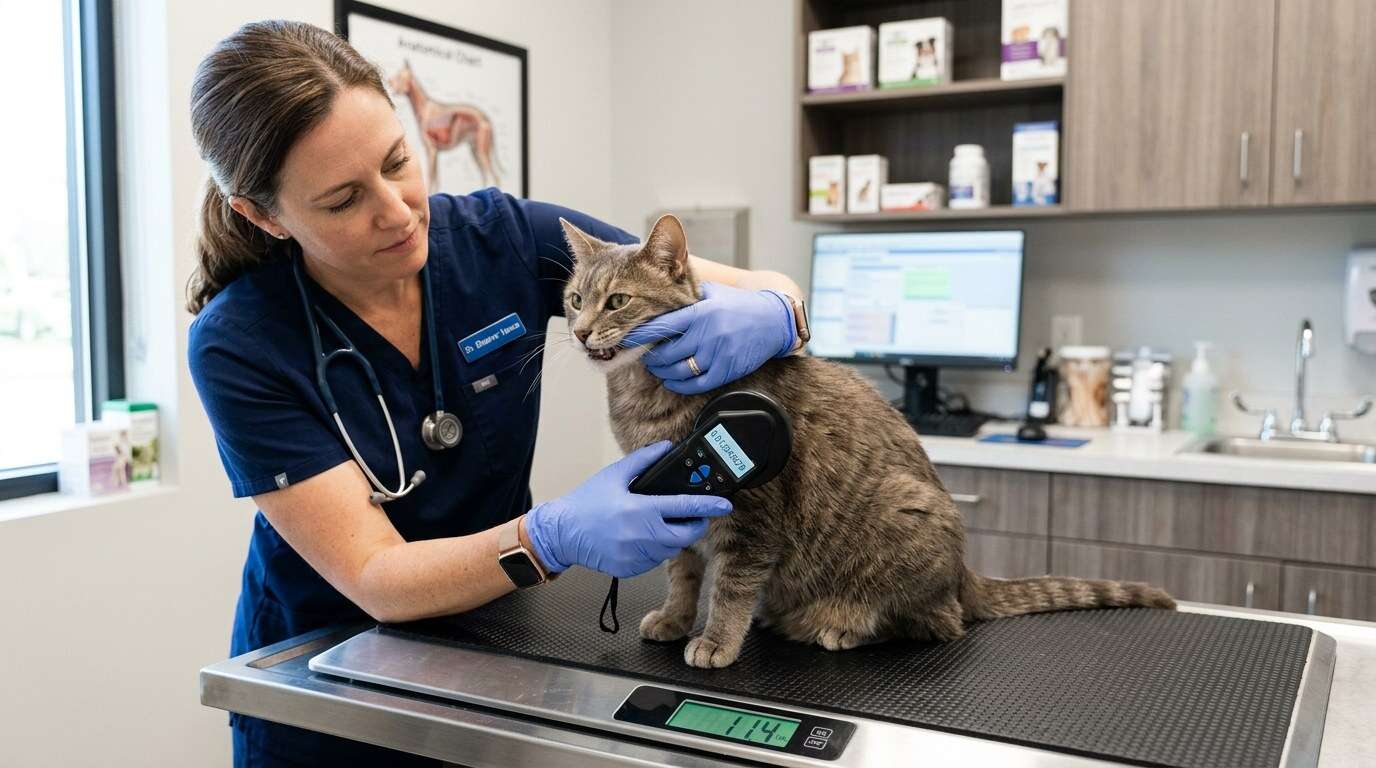
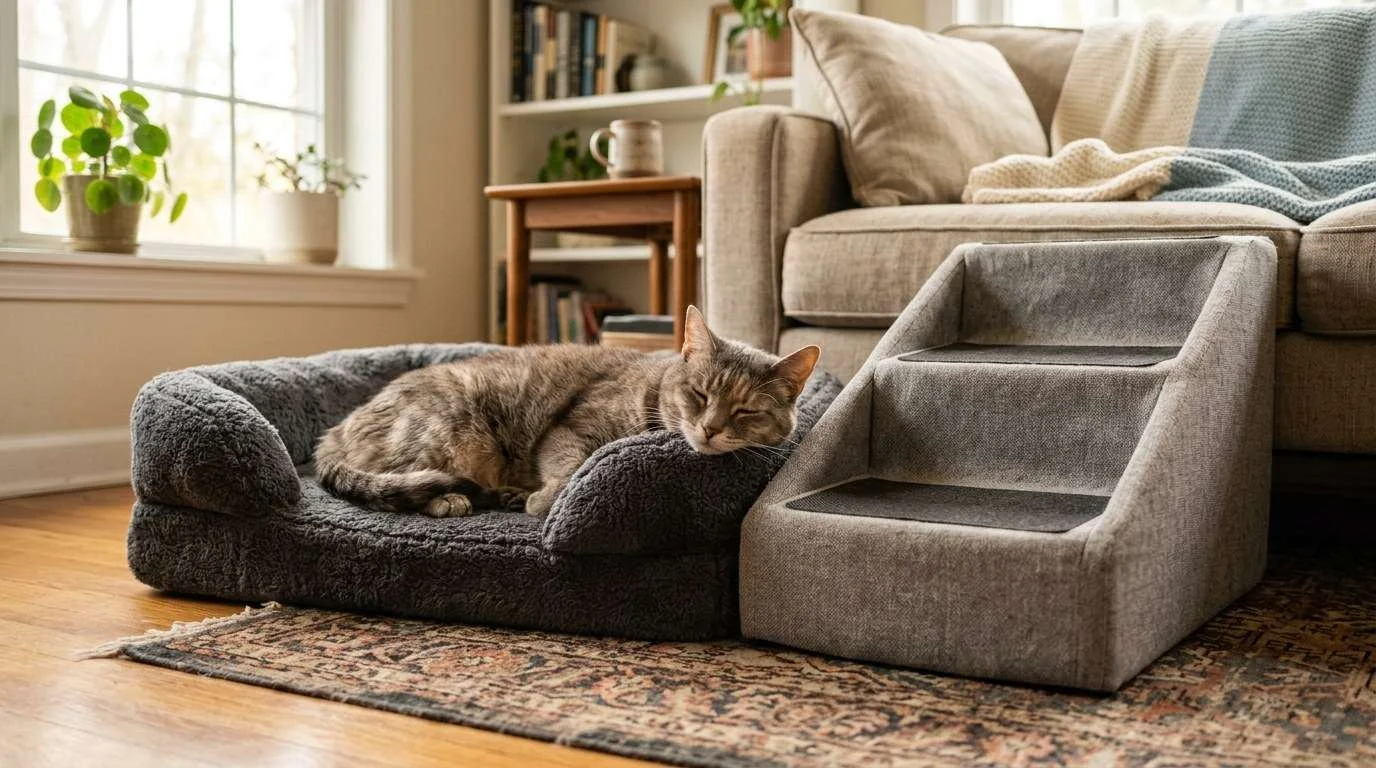
As cats age, their needs change. Senior cats may still appear active but can develop gradual changes that owners overlook.
Common age-related changes include:
- Reduced jumping ability
- Increased sleeping
- Changes in appetite
- Dental problems
- Reduced grooming
- Changes in litter box habits
These changes are not always simply “normal aging.” They can sometimes indicate health issues that need veterinary attention.
Senior cats often benefit from:
- Easier access to food and water
- Comfortable sleeping areas
- Low-entry litter boxes
- Regular veterinary monitoring
- Adjusted nutrition
Older cats can continue enjoying a good quality of life when their environment adapts to their changing needs.

Factors That Influence How Long Indoor Cats Live


Genetics and Breed
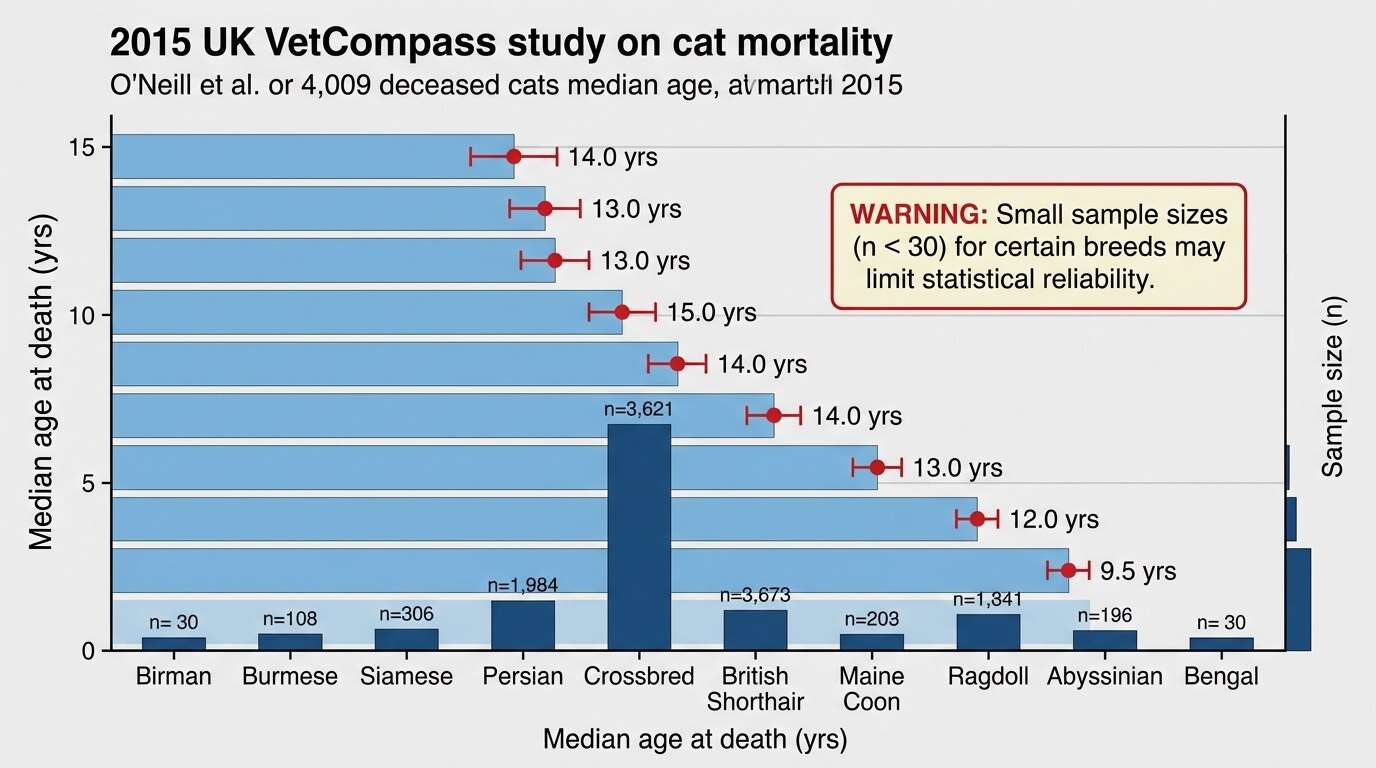
Genetics play an important role in lifespan. Some cats naturally have stronger resistance to certain diseases, while others may inherit conditions that affect health.
Breed can also influence longevity, although individual care remains extremely important.
A mixed-breed cat may live just as long as or longer than some purebred cats because genetic diversity can sometimes reduce inherited health risks.
Nutrition and Diet Quality

Food is one of the most important daily decisions affecting a cat’s health.
A balanced diet should provide:
- High-quality animal protein
- Essential amino acids
- Appropriate calories
- Necessary vitamins and minerals
- Adequate hydration
Cats have unique nutritional needs because they are obligate carnivores. Their bodies require nutrients found naturally in animal tissues.
The best diet depends on factors such as:
- Age
- Weight
- Activity level
- Health conditions
- Veterinary recommendations
There is no single food that is perfect for every cat. The right choice depends on the individual animal.
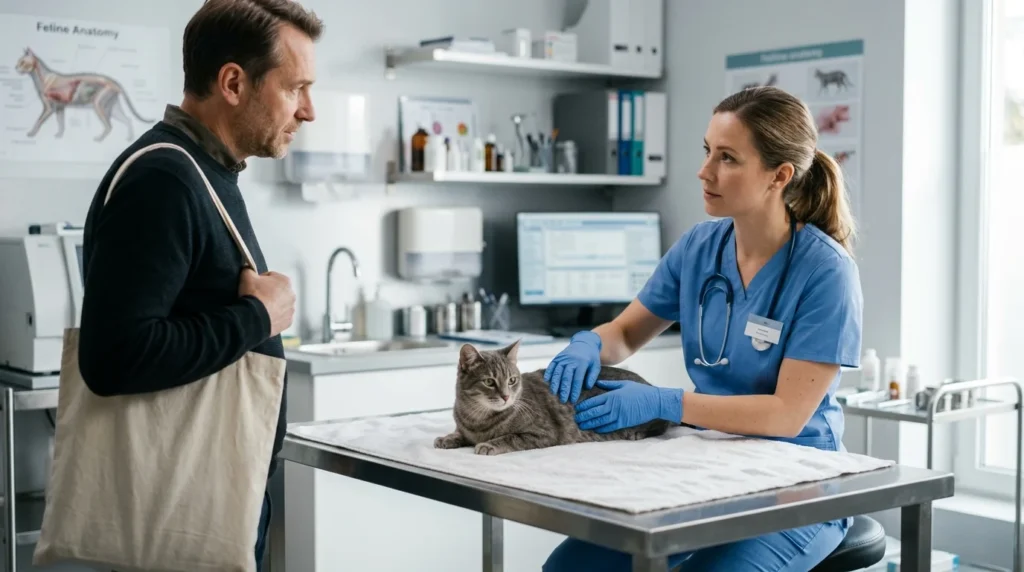
The Role of Veterinary Care in Cat Longevity

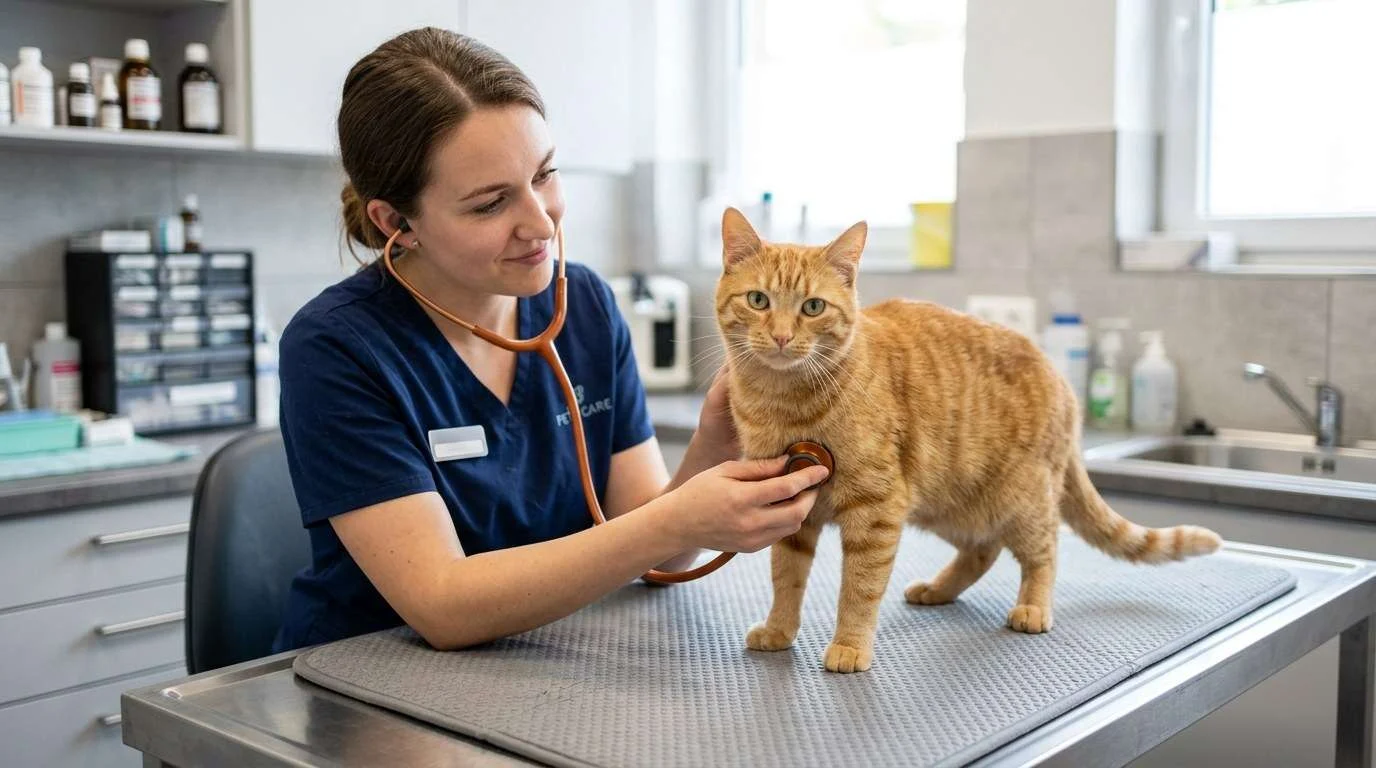
Preventive healthcare allows problems to be identified before they become severe.
Regular veterinary visits may help monitor:
- Weight changes
- Dental health
- Kidney function
- Vaccination needs
- Parasite prevention
- Early disease signs
Cats are skilled at hiding illness. A cat may appear normal while experiencing an underlying problem.
Routine checkups are especially important as cats enter their senior years because many age-related conditions become more common.
Indoor Environment and Mental Health
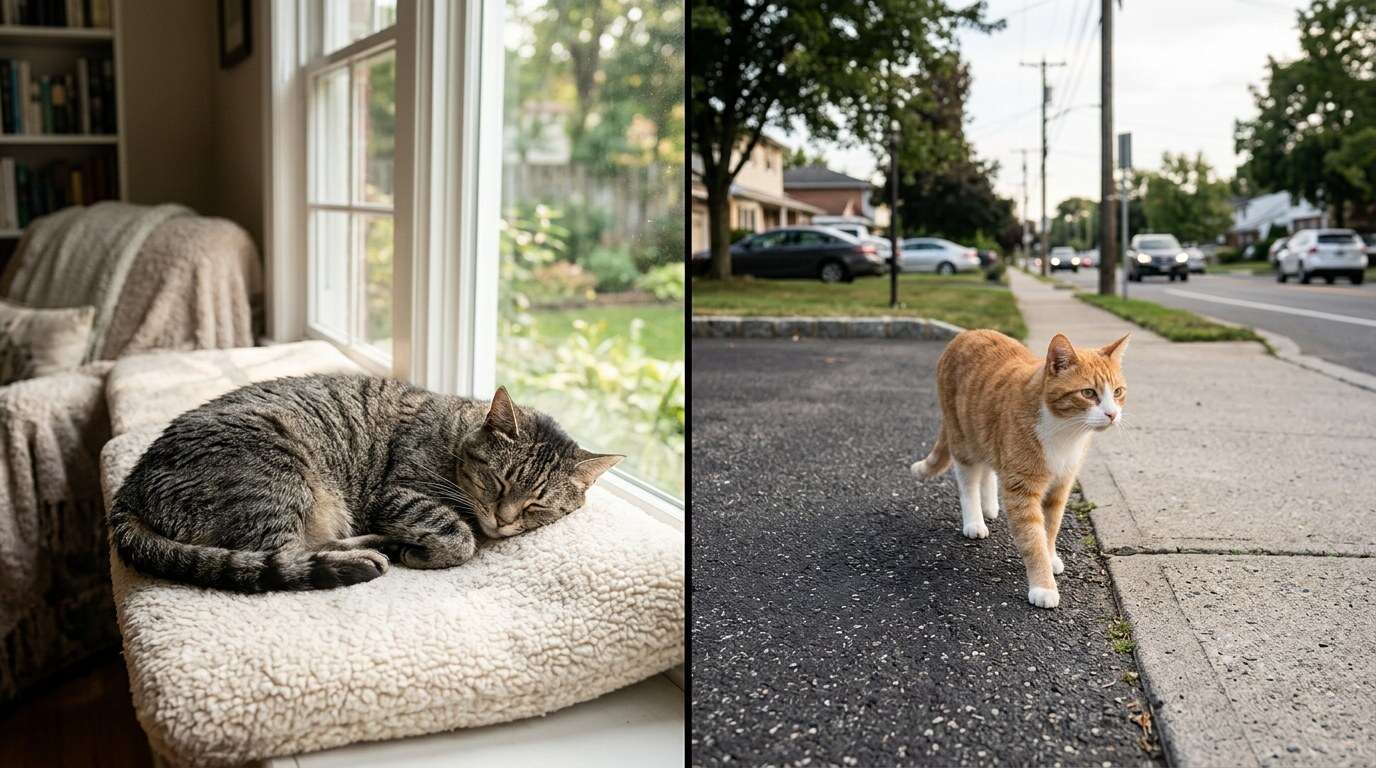
A common misunderstanding is that indoor cats need less stimulation than outdoor cats.
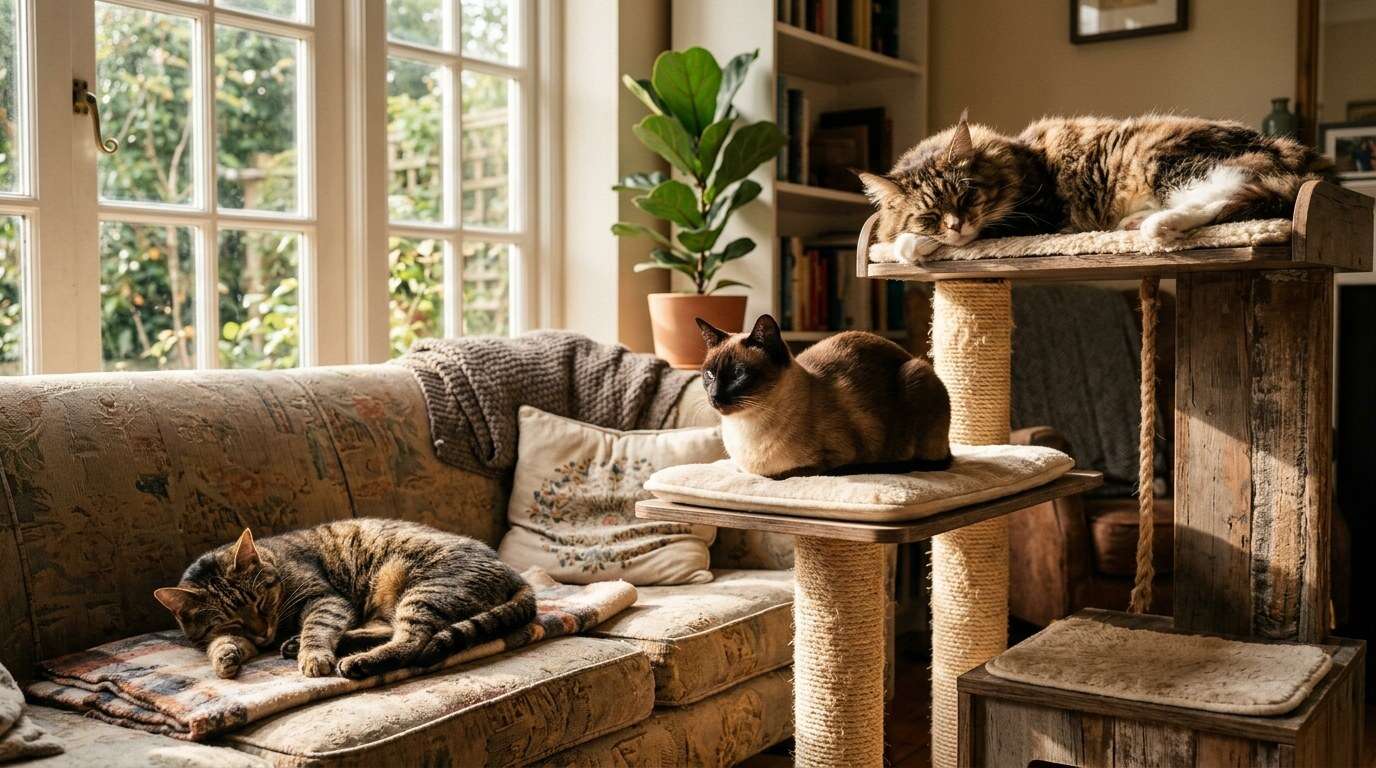
In reality, indoor cats need intentional enrichment because they cannot naturally explore a large territory.
A healthy indoor environment includes:
Vertical Space
Cats naturally enjoy climbing and observing their surroundings from higher locations.
Examples:
- Cat trees
- Shelves
- Window perches
Interactive Play
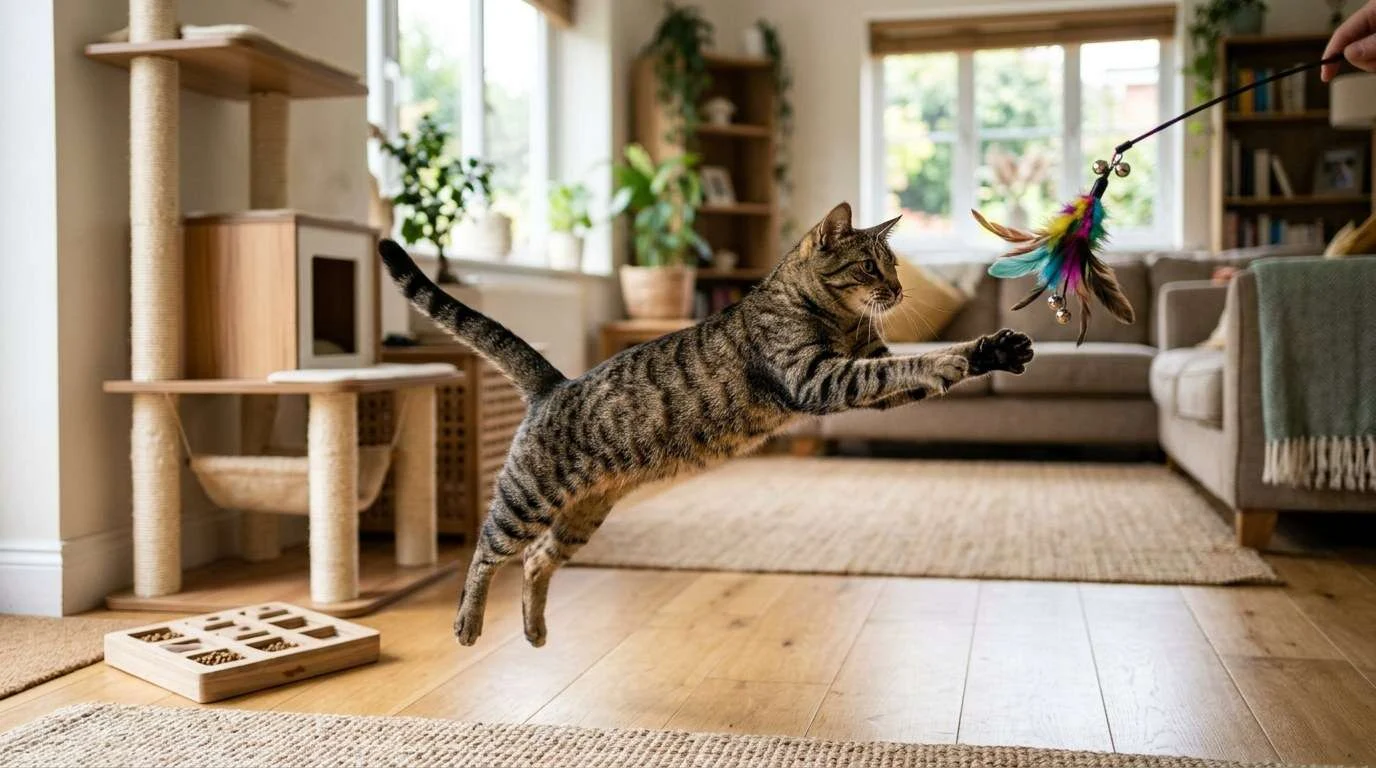
Play helps satisfy hunting instincts.
Useful activities include:
- Wand toys
- Puzzle feeders
- Chase games
Safe Rest Areas
Cats need places where they can relax without disturbance.
Examples:
- Covered beds
- Quiet corners
- Cat houses
Mental stimulation supports both physical health and emotional wellbeing.
Common Mistakes That May Shorten an Indoor Cat’s Life
Even caring owners can unintentionally create health risks.
Overfeeding
Many indoor cats receive more calories than they burn.
Signs of possible weight problems include:
- Difficulty feeling ribs
- Reduced activity
- Difficulty jumping
Ignoring Dental Care
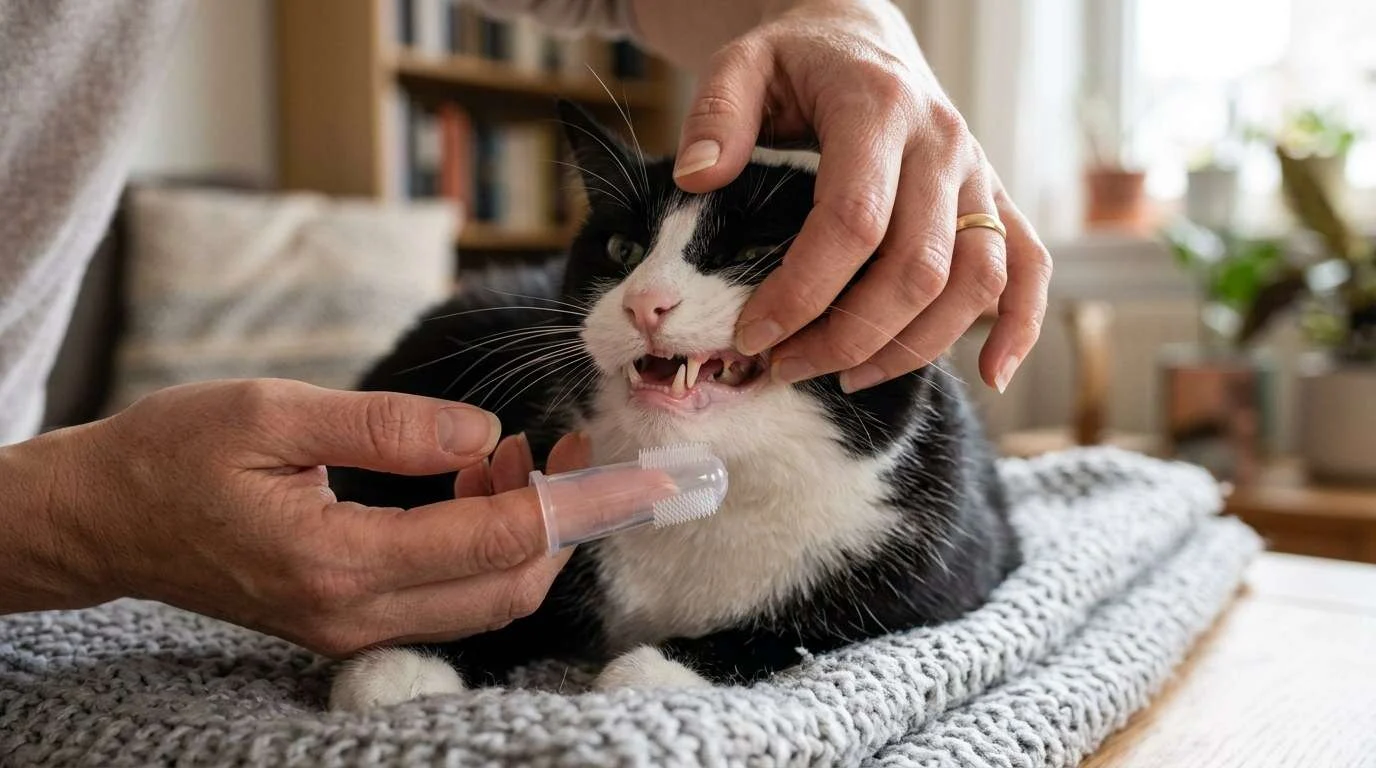
Dental disease is common in cats and may cause pain or affect overall health.
Lack of Exercise
Indoor cats still need daily movement.
Waiting Too Long Before Seeing a Veterinarian
Small changes can sometimes indicate larger health issues.
Examples:
- Drinking more water
- Increased urination
- Sudden hiding
- Appetite changes
- Weight loss
How Owners Can Help Their Indoor Cat Live Longer
A practical longevity checklist:
| Area | Helpful Action |
|---|---|
| Nutrition | Feed a balanced diet appropriate for age |
| Weight | Monitor body condition regularly |
| Exercise | Provide daily play and movement |
| Healthcare | Schedule preventive veterinary visits |
| Environment | Offer enrichment and safe spaces |
| Dental care | Monitor oral health |
| Observation | Notice behavior changes early |
Frequently Asked Questions
Do indoor cats live longer than outdoor cats?
Yes, indoor cats generally have longer lifespans because they avoid many outdoor hazards such as traffic accidents, fights, parasites, and infectious diseases.
Can an indoor cat live 20 years?
Yes. Some indoor cats live 20 years or more, although this depends on genetics, healthcare, nutrition, and overall lifestyle.
What is considered old for an indoor cat?
Cats are often considered senior around 11 years old, although aging varies between individuals.
Do indoor cats need vaccines?
Yes. Indoor cats may still need vaccinations because some diseases can enter homes through people, insects, or other animals.
What is the biggest factor affecting an indoor cat’s lifespan?
There is no single factor. A combination of preventive healthcare, healthy weight, nutrition, genetics, and quality of life influences lifespan.
Conclusion
Indoor cats often have the opportunity to live long and healthy lives, with many reaching 12–18 years and some living well beyond that. However, longevity depends on much more than keeping a cat indoors.
The most effective approach is providing complete nutrition, regular healthcare, daily enrichment, healthy weight management, and close attention to changes in behavior or physical condition.
A long life is valuable, but a healthy and comfortable life is the true goal. By understanding each life stage and adapting care over time, owners can give their cats the best chance of enjoying many happy years indoors.