By Emma Hartley | Last updated July 29, 2026 | This post contains affiliate links. If you buy through them, we may earn a commission at no extra cost to you. We only recommend products we’d actually put in our own home.
Most owners expect a senior cat diet to need less food, since activity naturally drops with age. What actually tends to happen after age 10 is closer to the opposite for a lot of cats: calorie needs can hold steady or even rise, protein needs often go up, not down, and a cat that’s been a steady weight for years can start quietly losing it. Senior nutrition isn’t just “the adult diet, smaller portions.” It’s a real shift, and getting it wrong in either direction has consequences.
Miso is on the older side now, and the thing that caught me off guard wasn’t weight gain, it was the opposite. A senior cat can look thinner without an owner noticing right away, since the change happens gradually and a cat’s coat can hide it longer than you’d expect.
Why calorie needs don’t simply drop with age
Older cats often have a harder time digesting and absorbing nutrients efficiently, even without a diagnosed condition, which means some senior cats need more calories, not fewer, to maintain the same weight they held easily as adults. This is part of why “senior formula, lower calorie” isn’t automatically the right call for every older cat, and why watching actual weight trend matters more than following a label’s default guidance blindly.
Protein needs often increase, not decrease
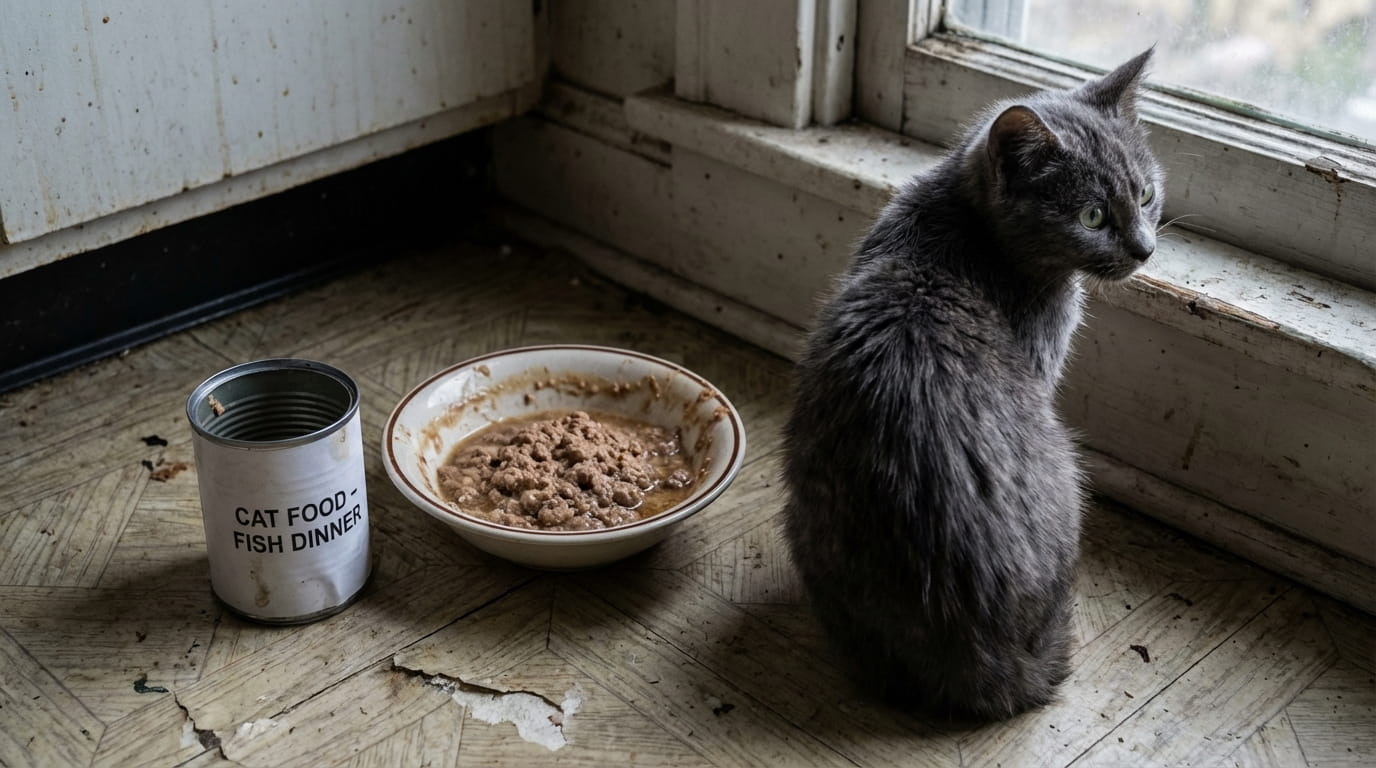
There used to be a common assumption that senior cats should eat less protein to protect aging kidneys. Current veterinary guidance generally pushes back on this for healthy senior cats, since adequate protein helps preserve muscle mass, which naturally declines with age and directly affects mobility and quality of life. Reduced protein is typically only relevant for cats with a diagnosed kidney condition managing a specific stage of disease, under a vet’s direction, not a default senior strategy for every aging cat. If your cat does have diagnosed kidney disease, that’s a different conversation entirely, and I cover that specifically in my post on kidney-friendly wet food for indoor cats.
Watch weight trend, not just appearance
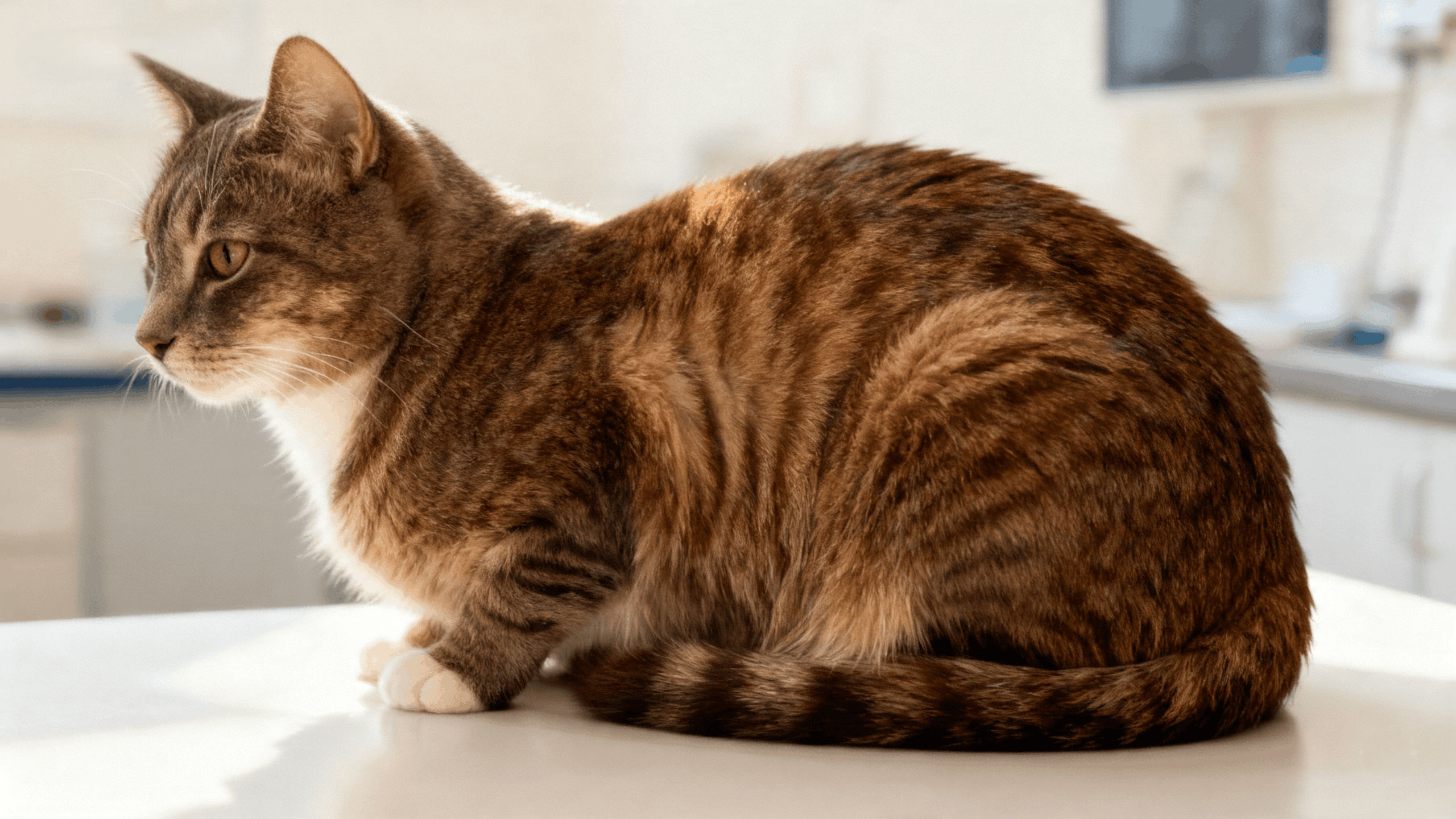
A senior cat’s weight should be tracked at every vet visit, and ideally you should have a rough sense of it between visits too. Unexplained weight loss in an older cat is one of the more reliable early indicators of a range of conditions, hyperthyroidism, kidney disease, dental pain, that are far more manageable when caught early than once they’ve progressed. Weight gain matters too, since arthritis and joint strain get worse with extra weight on an already aging body.
Dental health changes what a cat can physically eat
Dental disease becomes more common with age, and a senior cat that’s suddenly avoiding dry kibble, dropping food, or eating more slowly may be dealing with a mouth that hurts, not a changed appetite. Softening dry food with warm water, or shifting toward more wet food, is a reasonable adjustment if dental issues are part of the picture, alongside an actual dental exam rather than just working around the symptom indefinitely.
Hydration matters even more at this stage
Senior cats are more prone to kidney and urinary issues, and the same hydration principles that matter for any indoor cat, more wet food, a fountain if your cat responds to one, matter even more here. I go into this in detail in my wet food vs. dry food for indoor cats post, and the reasoning applies with more urgency once a cat is past 10.
What to actually ask your vet at senior checkups
Senior cats benefit from more frequent vet visits, typically every 6 months instead of annually, specifically because conditions common at this age progress faster and are far easier to manage caught early. Bloodwork that screens for kidney function, thyroid levels, and general organ health is standard at this stage and worth asking for directly if it’s not automatically part of your visit.
Frequently Asked Questions
At what age is a cat considered senior?
Generally around 10-11 years, though some vets use 7 as the start of “mature” and reserve “senior” for 11+. Individual health matters more than the exact number.
Should senior cats eat less protein?
Not by default. Adequate protein helps preserve muscle mass in aging cats. Reduced protein is typically only appropriate for cats with a diagnosed kidney condition, under veterinary guidance.
Why is my senior cat losing weight even though she eats normally?
This can indicate several conditions common in older cats, including hyperthyroidism, kidney disease, or dental pain. Unexplained weight loss in a senior cat is worth a vet visit rather than assuming it’s just aging.
Do senior cats need a special “senior formula” food?
Not automatically. Some senior formulas are appropriately adjusted, but the right choice depends on the individual cat’s weight trend, activity, and any diagnosed conditions rather than age alone.
How often should senior cats see the vet?
Generally every 6 months rather than annually, since age-related conditions tend to progress faster and are more manageable when caught early.
Related reading: For overall nutrition and health management, explore The Ultimate Indoor Cat Care Guide.