By Emma Hartley | Reviewed by IndoorCatWell Editorial Team | Last updated September 2026
This article provides practical, veterinary-supported cat care guidance. If you buy through our links, we may earn an affiliate commission at no extra cost to you. Read our full Affiliate Disclosure.
Cheese is not chemically toxic to cats, but the vast majority of adult felines are biologically lactose intolerant. Once kittens are weaned, they cease producing lactase—the digestive enzyme required to break down dairy sugars. While a pea-sized cube of hard aged cheddar is unlikely to cause serious harm, feeding cheese routinely invites bloating, gas, severe abdominal cramps, and diarrhea.
⚡ Cheese & Dairy Safety Overview
- Safer Cheeses: Hard, aged varieties (cheddar, Swiss, Parmesan) have minimal residual lactose.
- High-Risk Cheeses: Soft or fresh varieties (brie, cream cheese, mozzarella, ricotta) cause acute GI distress.
- Strictly Toxic Cheeses: Blue cheeses (mold mycotoxins) and garlic/chive infused cheeses.
- Serving Rule: Pea-sized cube (under 1/2 inch) only as an occasional pill-delivery aid.
The Biology of Feline Lactose Intolerance
The nostalgic pop-culture myth of a barn cat happily drinking a saucer of milk has misled pet parents for decades. Nursing kittens possess abundant lactase in their small intestine to process mother’s milk. By 8 to 12 weeks of age, lactase gene expression downregulates almost to zero.
When an adult cat ingests lactose, the sugar molecule passes undigested into the colon. Colonic bacteria ferment this sugar rapidly, generating carbon dioxide, hydrogen gas, and osmotic fluid buildup that triggers painful cramping and foul-smelling diarrhea.
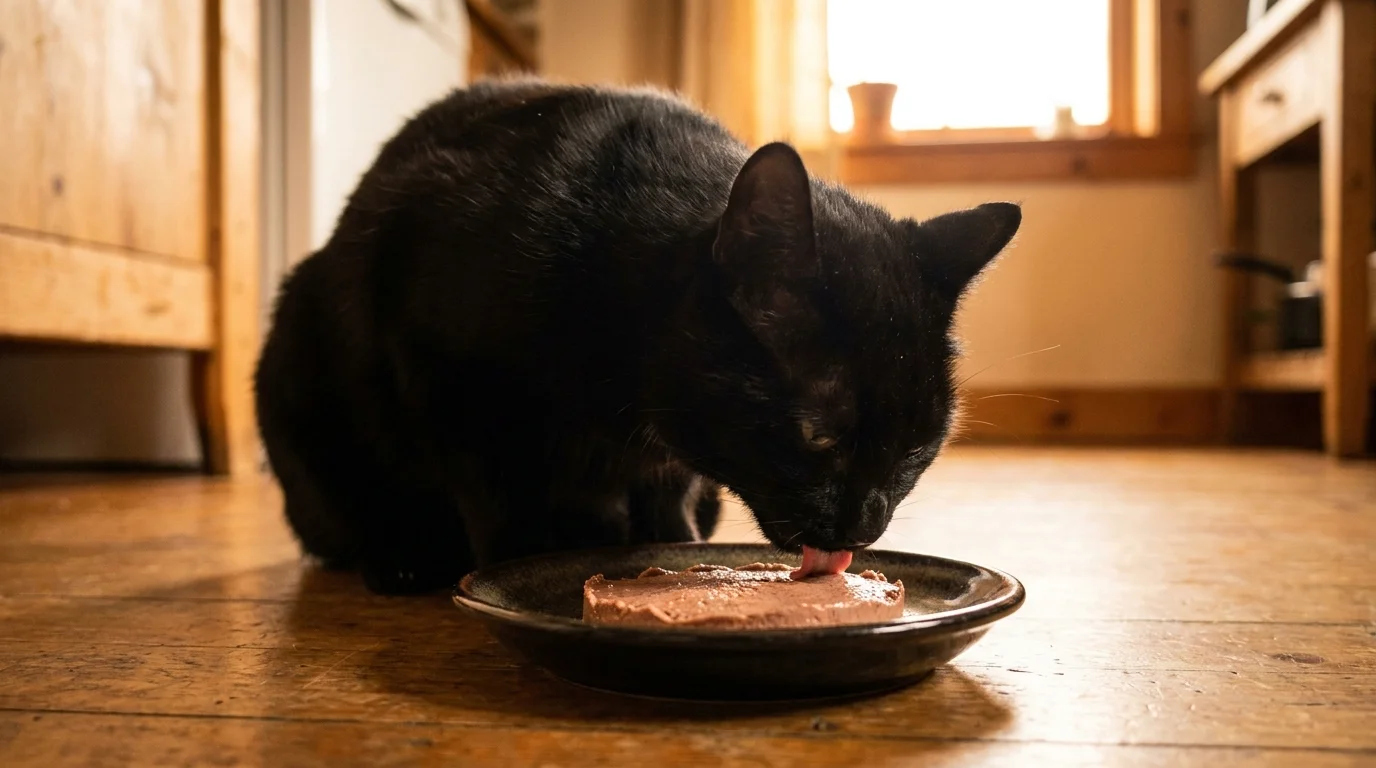
Lactose Content Across Different Cheese Types
| Cheese Category | Examples | Feline Safety Profile |
|---|---|---|
| Hard & Aged (Low Lactose) | Sharp Cheddar, Swiss, Parmesan | Lowest risk; feed tiny pinch |
| Soft & Fresh (High Lactose) | Brie, Ricotta, Cottage, Cream Cheese | High risk of diarrhea and gas |
| Processed Singles | American slices, Velveeta, aerosol cheese | Avoid; loaded with sodium & whey |
| Mold-Ripened Blue | Roquefort, Gorgonzola, Stilton | TOXIC (Penicillium mycotoxins) |
Cheeses to Strictly Avoid
- Blue and veined moldy cheeses: Penicillium roqueforti produces neurotoxic mycotoxins that cause tremors, convulsions, and high fever in felines.
- Herb & allium spiced cheeses: Any cheese seasoned with garlic powder, chives, scallions, or onions causes oxidative damage to red blood cells, causing fatal anemia.
- High-sodium varieties: Salt toxicity is a real danger in small animals. A single ounce of processed cheese exceeds a cat’s safe daily sodium allowance fivefold.
- Cheesecake & desserts: Loaded with sugar, heavy dairy fat, and potentially fatal artificial sweeteners like xylitol (birch sugar).
Can You Use Cheese to Hide Medications?
Molding a tiny sliver of cream cheese or cheddar around a bitter antibiotic pill is a common trick used by pet parents. If your cat tolerates small amounts of dairy without diarrhea, this is an acceptable short-term technique.
Veterinary Caution: Never use cheese or dairy products to administer tetracycline or fluoroquinolone class antibiotics (such as doxycycline). The calcium cations in dairy bind tightly to the antibiotic molecules in the stomach, rendering the medication unabsorbable and useless.
Healthier, Zero-Lactose Treat Alternatives
If your cat constantly begs at the cheese board, they are drawn to the rich, umami aroma of animal fat—not the dairy sugar. Satisfy that craving with safe carnivore alternatives:
- Plain shredded unseasoned roast chicken or turkey breast.
- A teaspoon of cooked scrambled or hard-boiled egg (read can cats eat eggs cooked vs raw).
- A small spoonful of skipjack tuna packed in spring water (see can cats eat tuna safely).
- Commercial freeze-dried pure chicken liver or salmon bites.
Frequently Asked Questions
My cat loves cow’s milk. Why can’t I give it as a treat?
Cow’s milk contains 12 grams of lactose per cup, which severely overwhelms an adult feline digestive tract. If you want to give a milky treat, purchase specialized lactose-free “Cat-Milk” from pet supply stores.
What should I do if my cat ate cheese and now has diarrhea?
Withhold all dairy immediately and ensure fresh water is available to prevent dehydration. Feed a bland feline diet for 24 hours. If vomiting, lethargy, or loose stool persists past 24 hours, visit your vet.
Can cats with kidney disease eat cheese?
No. Cheese is packed with phosphorus and sodium, both of which accelerate renal damage and elevate systemic blood pressure in cats with chronic kidney disease (CKD).