This post is for informational purposes and isn’t a substitute for veterinary care. If you suspect your cat is in pain, contact your vet.
Cats hide pain because in the wild, showing weakness makes them a target, and that instinct hasn’t gone away just because your cat sleeps on a couch. This is exactly why owners often don’t notice anything’s wrong until a condition has progressed further than it needed to. Cats don’t whimper or limp dramatically the way a lot of people expect. The signs are quieter than that, and they show up in changes to normal behavior more than in obvious distress.
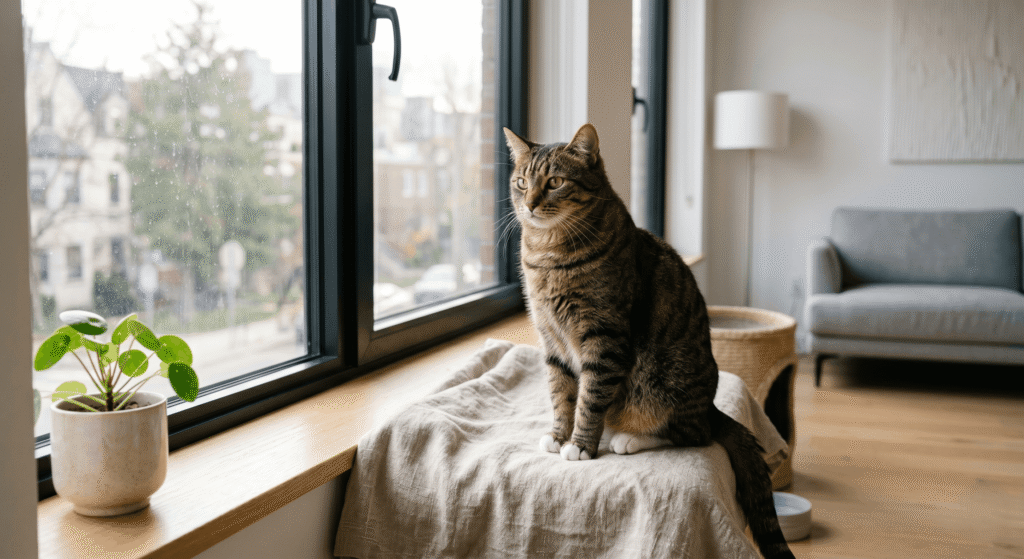
I noticed something was off with one of my cats not because of any dramatic sign, but because she stopped jumping onto the counter, something she’d done daily for years, and started taking the long way around furniture instead of over it. That turned out to be early arthritis. Nothing about it looked urgent. It just looked different.
Behavioral changes that signal pain
Reduced jumping or climbing. A cat that used to easily jump onto counters, shelves, or a cat tree and suddenly hesitates, takes a lower route, or stops entirely is one of the most reliable early signs of joint or muscle pain, especially in cats over seven or eight.
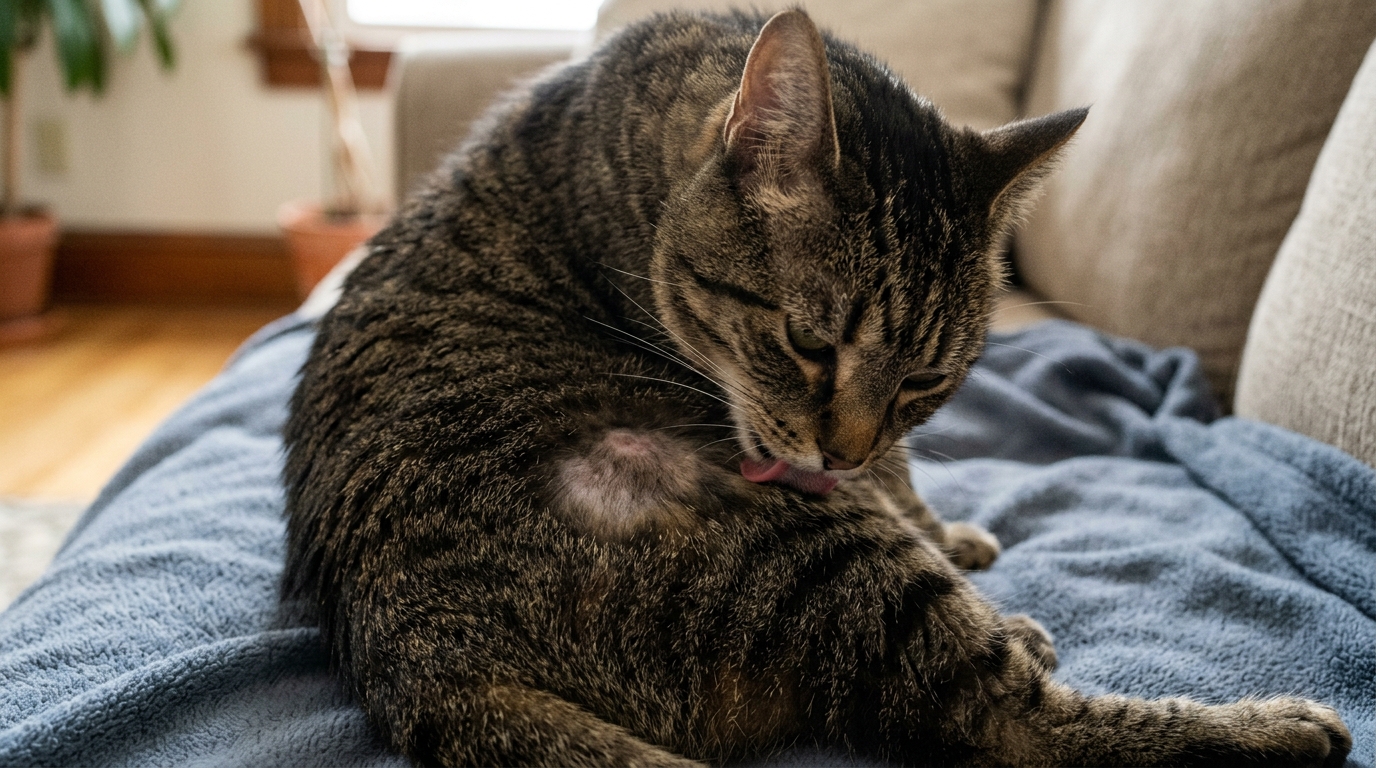
Changes in grooming. Both directions matter here. Overgrooming a specific area can indicate localized pain the cat is trying to soothe. Undergrooming, a generally unkempt or greasy coat, can indicate a cat that’s in enough discomfort that grooming itself has become a low priority.
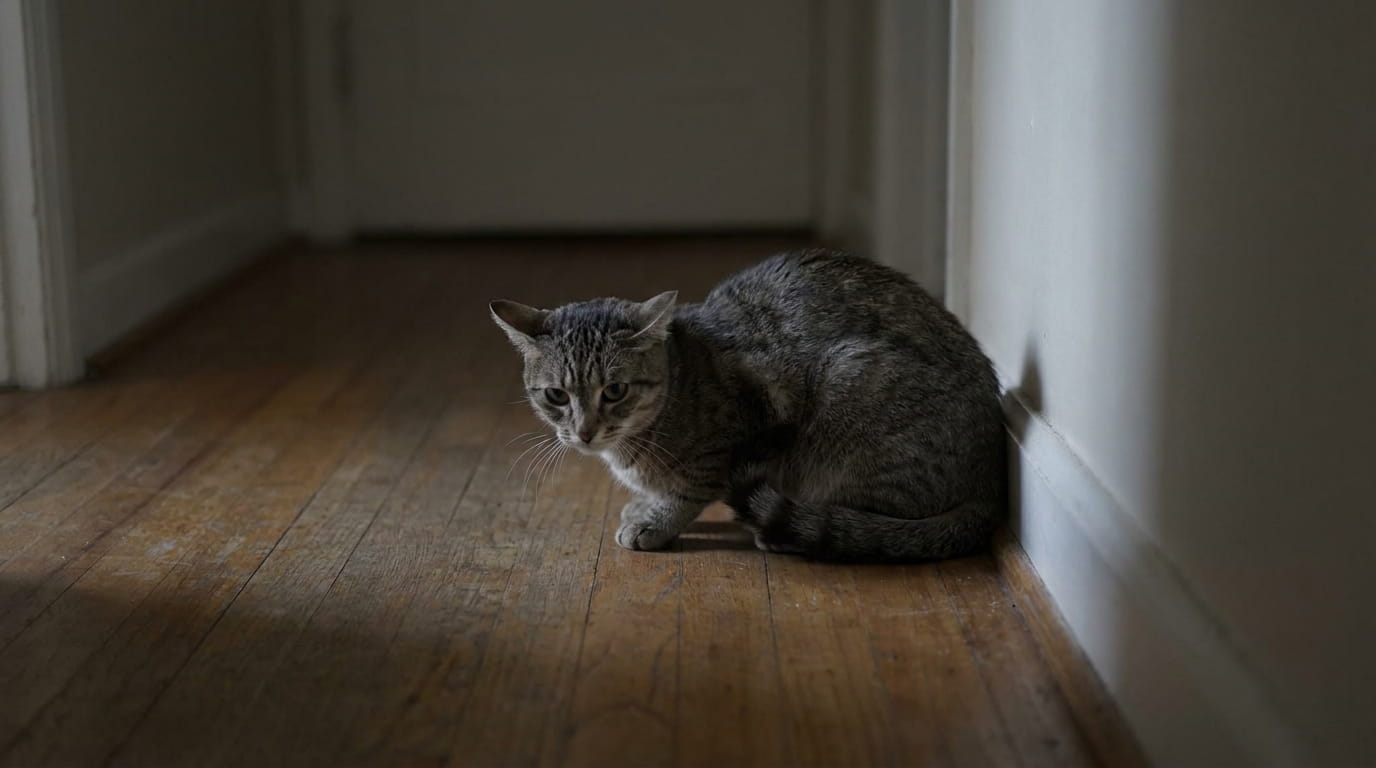
Hiding more than usual. Occasional alone time is normal cat behavior. A noticeable increase in hiding, especially paired with reduced interest in food, play, or affection, is a common pain response.
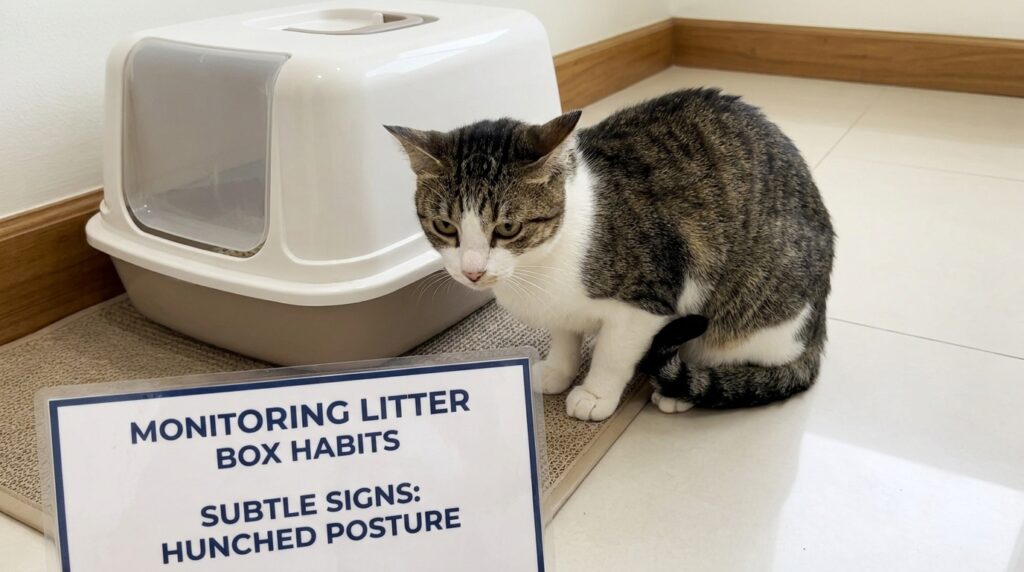
Changes in litter box behavior. Straining, vocalizing while using the box, or avoiding the box entirely can indicate pain related to urinary issues, constipation, or joint pain that makes the physical posture of using the box uncomfortable.
Reduced appetite or slower eating. Dental pain in particular often shows up first as a cat eating more slowly, dropping food, favoring one side of the mouth, or showing interest in food without actually eating much of it.
Changes in posture or gait. A hunched posture, reluctance to be picked up or touched in a specific area, or a subtle limp that comes and goes are all signs worth taking seriously rather than assuming will resolve on its own.
Increased irritability or aggression. A normally affectionate cat that starts hissing, swatting, or avoiding contact, especially in a specific spot like near the tail or a paw, is frequently reacting to touch that’s now painful rather than a sudden personality change.
Unexpected or persistent purring. Many owners assume purring always signifies happiness, but cats also use it as a coping mechanism to self-soothe when injured or recovering from illness. Learn why cats purr and how different purrs sound to distinguish comfort from pain.
Why these signs get missed
Most of these changes happen gradually, over weeks or months, which makes them easy to write off as “just getting older” or “just a mood.” Owners who see their cat daily often don’t notice slow change the way someone seeing the cat only occasionally would. This is part of why regular vet checkups matter even for cats that seem fine, since a vet examining a cat they don’t see daily is more likely to catch a subtle change in mobility or body condition than an owner who’s adjusted to it gradually without realizing.
What to actually do if you notice these signs
Don’t wait for the signs to become obvious or severe before scheduling a vet visit. Pain-related conditions, arthritis, dental disease, urinary issues, tend to be more manageable and less costly to treat the earlier they’re caught. Take note of specifically what’s changed and when you first noticed it, since that timeline is genuinely useful information for a vet trying to narrow down a cause.
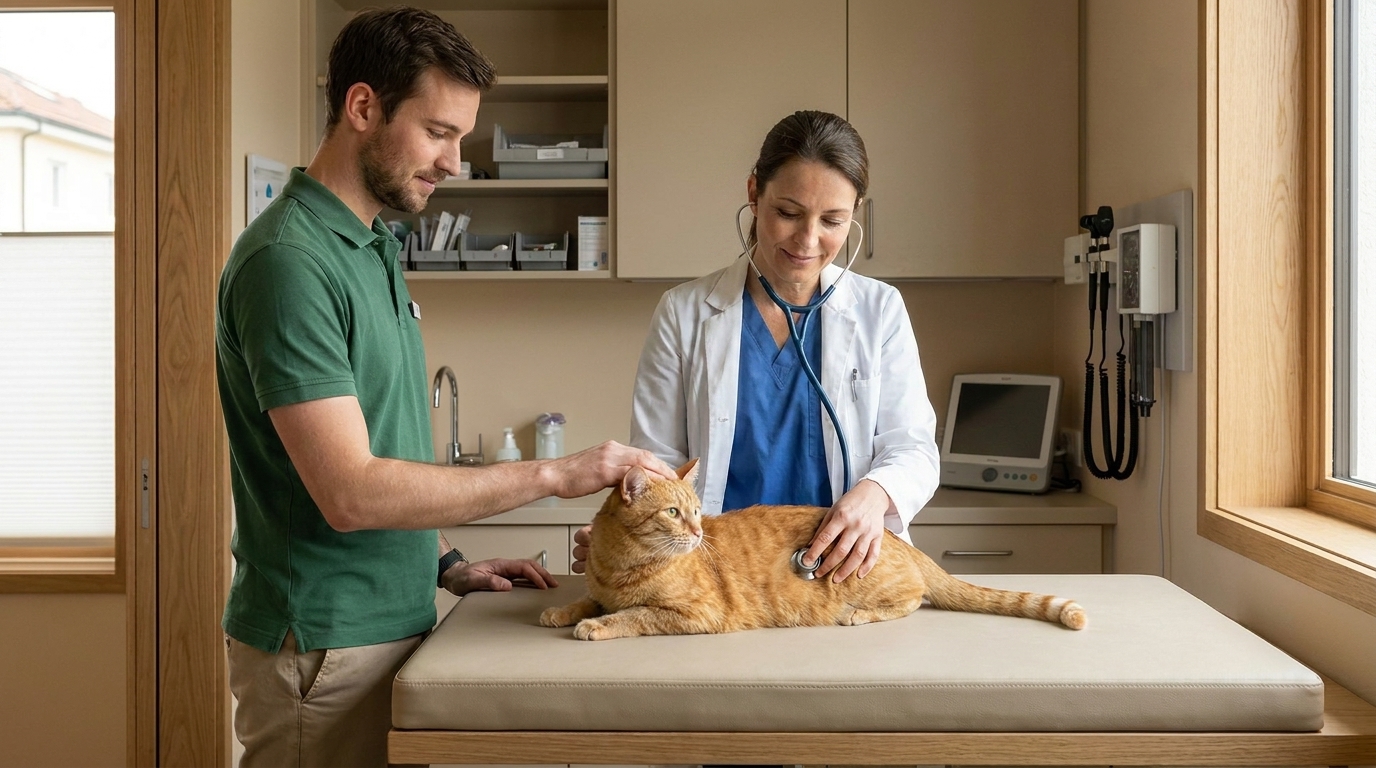
Don’t give human pain medication to a cat under any circumstances. Common over-the-counter pain relievers like acetaminophen and ibuprofen are toxic to cats, in some cases fatally so even in small doses. If your cat is in visible distress, this is a same-day vet or emergency vet situation, not something to manage at home while waiting for a routine appointment.
Optimizing Your Cat’s Indoor Environment
Protecting your cat’s mobility and preventing joint pain requires the right environmental setup. Read my detailed comparison of cat window perches versus cat trees to find the best layout for a small space:
FAQ
How do cats show pain differently than dogs?
Cats are generally more subtle. Dogs more often vocalize, limp visibly, or show obvious distress. Cats are more likely to withdraw, change routine behaviors quietly, or mask discomfort entirely until it’s more advanced.
Can cats hide pain from their owners?
Yes, this is a well-documented evolutionary trait. Hiding weakness helped wild cats avoid predators, and domestic cats retain the same instinct even without that pressure.
What are the first signs of arthritis in cats?
Reduced jumping, hesitation before climbing to a previously easy height, and stiffness after resting are usually the earliest signs, often appearing well before an obvious limp.
Is it normal for older cats to sleep more?
Some increase in sleep is normal with age, but a sudden or significant change, especially paired with reduced appetite, mobility, or interaction, is worth mentioning to a vet rather than assuming it’s purely age-related.
Can I give my cat Tylenol or ibuprofen for pain?
No. Both are toxic to cats and can cause serious, potentially fatal harm even in small amounts. Never give a cat human pain medication without explicit veterinary guidance.