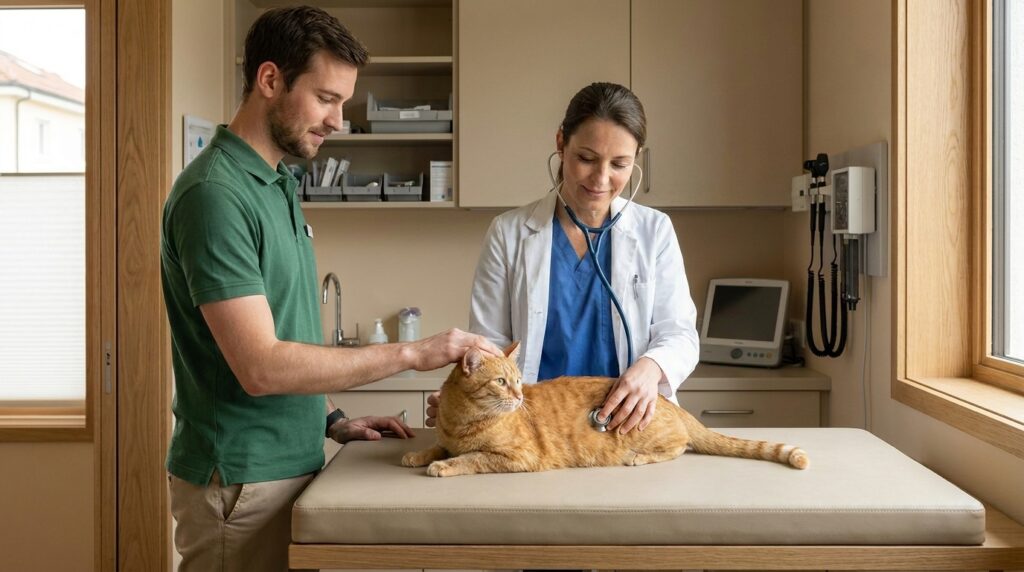
This post is for informational purposes and isn’t a substitute for veterinary care. Vaccination needs vary by individual cat, region, and risk factors, so use this as a starting point for a conversation with your vet, not a replacement for one.
Indoor cats need core vaccines, not every vaccine on the shelf, and the difference matters for both your cat’s health and your wallet. “Upsell” isn’t the right word for a vet recommending something outside your cat’s actual risk profile, that’s usually just a default protocol built around the average cat, not necessarily yours. But it does mean an indoor-only cat with no exposure to other animals has a genuinely different set of needs than a cat that goes outside or lives with other pets, and it’s worth knowing the difference so you can ask informed questions instead of just approving whatever’s on the recommended list.
Core vaccines: necessary for essentially every cat
FVRCP (feline viral rhinotracheitis, calicivirus, panleukopenia) is considered core for all cats regardless of lifestyle, since these diseases can spread through indirect contact, on clothing, shoes, or through an open window or screen, not just direct contact with another animal. This is not one to skip for an indoor cat.

Rabies is legally required in most U.S. states regardless of whether a cat goes outside, and is also considered core due to the severity of the disease and the small but real risk of exposure through an open door, a bat getting into a home, or a bite from another animal that gets inside.
Non-core vaccines: worth a real conversation, not an automatic yes
FeLV (Feline Leukemia Virus) is typically recommended for kittens and cats with any outdoor access or exposure to other cats, but is genuinely lower priority for a strictly indoor, single-cat household with no other animals in contact. Many vets will still recommend an initial kitten series and let owners decide on boosters based on actual lifestyle risk after that.
FIV, Chlamydia, Bordetella, and other non-core vaccines are typically only relevant for cats with specific risk factors, like frequent boarding, multi-cat households with unknown-status cats, or planned outdoor access. If your vet recommends one of these for a strictly indoor cat, it’s reasonable to ask what specific risk factor is driving the recommendation.
None of this means these vaccines are unnecessary across the board. It means they’re situational, and a good vet should be able to explain the specific reasoning for your cat rather than applying a blanket protocol.
A realistic visit schedule
Kittens (under 1 year): A series of core vaccines starting around 6-8 weeks, boosted every 3-4 weeks until about 16 weeks old, plus an initial wellness exam covering parasites, weight, and general development.

Adult cats (1-7 years, healthy): Annual wellness exam, with core vaccine boosters typically every 1-3 years depending on the specific vaccine and your vet’s protocol (rabies requirements vary by state and product used).
Senior cats (7+ years): Vets often recommend visits every 6 months instead of annually at this stage, since age-related conditions, kidney disease, dental issues, arthritis, progress faster and benefit more from earlier detection than younger cats do.
Questions worth asking at every visit
Ask specifically what’s core versus optional for your cat’s actual lifestyle before agreeing to the full recommended list. Ask what a specific vaccine protects against and how real the exposure risk is for a cat that doesn’t leave the apartment. None of this is about distrust of vets generally, most are working from a standard protocol built for the average cat, and a quick conversation about your specific cat’s risk factors is a normal, welcomed part of the visit, not an awkward confrontation.

It’s also worth asking about weight, dental condition, and mobility at every annual visit specifically, since these are the areas most likely to show early, subtle signs of the kind of issues I covered in my post on recognizing pain in cats, the kind that don’t show up as an emergency but are easier to manage if caught early.
What to bring to make visits easier
A calm cat makes for a more useful exam, since a stressed cat can show artificially elevated heart rate or resist a thorough physical exam. If your cat gets anxious during travel or handling, I go into carrier options specifically chosen to reduce that stress in my best cat carrier for an anxious cat post, including what actually made a difference across several real vet visits versus what just looked good in reviews.
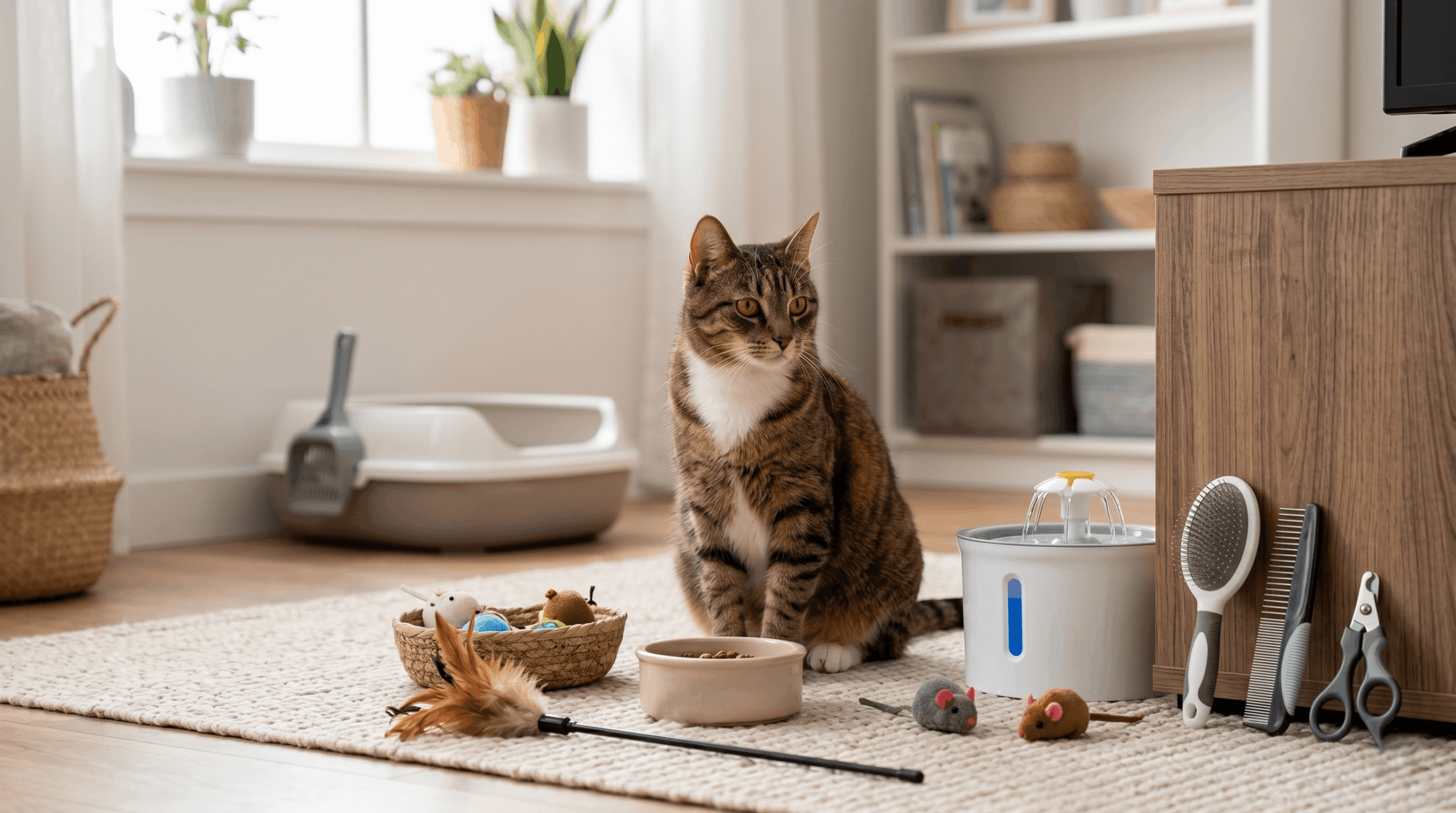
Budgeting for Your Cat’s Medical Needs
Vet exams and vaccination schedules are predictable annual costs, but emergency medical situations are the ones that catch owners off guard. Read my full breakdown of monthly cat expenses to budget effectively:
FAQ
Do indoor cats really need vaccines if they never go outside?
Yes, core vaccines are still recommended, since some diseases can spread through indirect exposure, not just direct outdoor contact. Rabies is also legally required in most places regardless of indoor status.
How often do indoor cats need vet checkups?
Annually for healthy adult cats, and every six months for senior cats or cats with an existing health condition being monitored.
Are non-core vaccines a waste of money for indoor cats?
Not necessarily a waste, but they should be matched to actual risk factors like other pets in the home or planned boarding, rather than applied automatically to every cat regardless of lifestyle.
What vaccines are legally required for cats?
Rabies vaccination is legally required in most U.S. states, regardless of whether the cat goes outdoors. Requirements vary by state, so check your local regulations.
Can I skip vet visits if my cat seems healthy?
Not recommended. Many conditions common in cats, dental disease, early kidney issues, arthritis, don’t show obvious symptoms until they’ve progressed, which is exactly why routine exams catch things owners wouldn’t notice at home.