By Emma Hartley | Last updated July 30, 2026
By age three, up to 70% of cats already have some degree of periodontal disease. Proper cat dental care is one of the most overlooked aspects of feline health, specifically because cats are exceptionally skilled at hiding mouth pain. A cat with a severely painful tooth will often continue eating, grooming, and behaving normally, which is why dental disease is frequently diagnosed late during routine vet exams rather than early at home.
Quick answer: Dental disease in cats is common, painful, and largely silent until advanced. Daily or near-daily brushing with cat-safe enzymatic toothpaste is the single most effective home preventive measure, complemented by annual veterinary dental checks.
Why Is Dental Disease So Common in Indoor Cats?
Plaque accumulates on a cat’s teeth within hours after eating. Without regular removal, plaque hardens into tartar within 48 to 72 hours. Once tartar builds along the gumline, it triggers inflammation (gingivitis), which can progress into irreversible periodontal disease that destroys the supporting bone and tissue around the tooth.
Cats are also uniquely prone to Tooth Resorption (TR) — a painful condition where the body’s internal mechanisms erode the tooth structure from the inside out, often starting below the gumline. The Cornell Feline Health Center reports that tooth resorption affects 20% to 60% of all adult cats. TR cannot be prevented by brushing alone and requires veterinary X-rays to diagnose.
Why Do Cats Hide Dental Pain So Well?
As desert-adapted predators, cats possess a strong evolutionary drive to conceal pain and vulnerability to protect themselves from larger predators. A cat experiencing a fractured or resorbing tooth will chew on the opposite side of its mouth, swallow dry kibble whole, or shift to wet food without displaying obvious outward distress.
By the time a cat stops eating entirely due to dental pain, the disease is already severe. For other subtle pain indicators, read our guide on how to tell if your cat is in pain.
Subtle Signs of Cat Dental Problems to Watch For
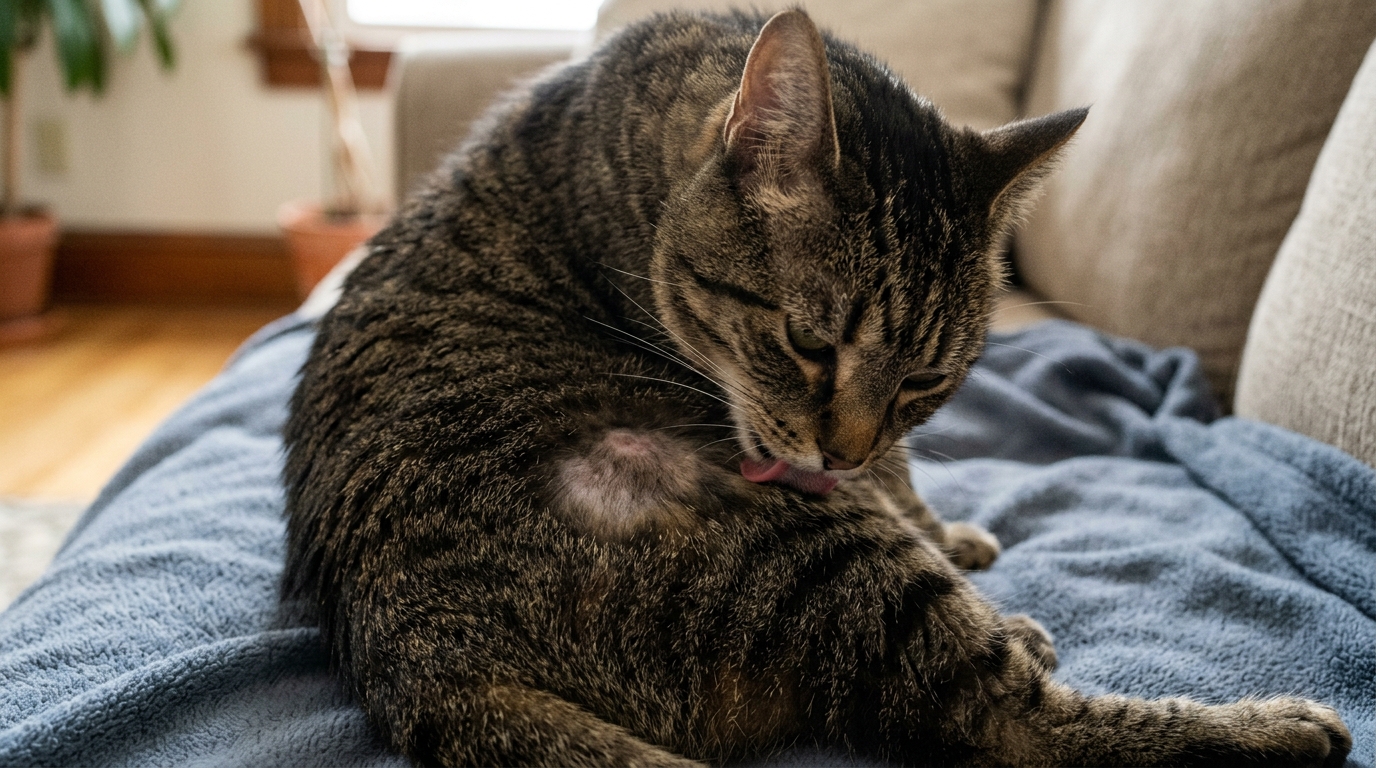
Because cats rarely cry out from toothaches, monitor for these early behavioral and physical signals:
- Persistent bad breath (halitosis): Foul odor is often the first indicator of bacterial buildup and gum infection.
- Visible yellow/brown tartar: Accumulation along the gumline, especially on upper molars.
- Red, swollen, or bleeding gums: Healthy gums should be pale pink.
- Drooling or pink-tinged saliva: Caused by oral irritation or severe inflammation.
- Dropping kibble or chewing on one side: Head tilting while eating soft or dry food.
- Preference for wet food over kibble: Sudden refusal of dry kibble. Compare diet options in our wet food vs dry food guide.
- Reduced grooming or unkempt coat: Oral pain makes self-grooming uncomfortable.
What Does Untreated Cat Dental Disease Lead To?
Beyond chronic pain and tooth loss, oral bacteria from severe periodontal disease can enter the bloodstream through inflamed gum capillaries. According to research from the World Small Animal Veterinary Association (WSAVA), systemic bacteremia places continuous stress on internal organs, potentially compounding kidney disease and cardiac issues in senior cats.
If your cat is older, review our guide on senior cat diet and health management to align nutrition with organ health.

How to Brush Your Cat’s Teeth at Home (Step-by-Step)
Daily brushing is the gold standard for removing plaque before it mineralizes into tartar. Even brushing 3 to 4 times a week yields significant benefits.
- Use cat-safe enzymatic toothpaste: NEVER use human toothpaste, which contains toxic ingredients like xylitol and fluoride. Enzymatic pet toothpaste comes in poultry or fish flavors.
- Introduce the taste first: Let your cat lick a small dab of toothpaste off your finger for several days without forcing brush contact.
- Introduce a finger brush or micro-brush: Gently lift the upper lip and rub the outer surfaces of the upper canine teeth for 5–10 seconds.
- Focus on the outer tooth surfaces: You don’t need to force the mouth open to brush inside surfaces; the cat’s tongue cleans inner surfaces naturally.
- Reward immediately: Pair every session with a favorite treat or play time.
For additional routine health checks you can perform at home, read our Indoor Cat Care Guide.
Do Dental Treats, Water Additives, and Diets Work?
They act as helpful secondary tools, but cannot replace mechanical brushing. When shopping for dental treats or kibble, look for the official seal of the Veterinary Oral Health Council (VOHC). Products with the VOHC seal have passed clinical trials demonstrating at least a 20% reduction in plaque or tartar accumulation.
When to Schedule a Professional Vet Dental Cleaning
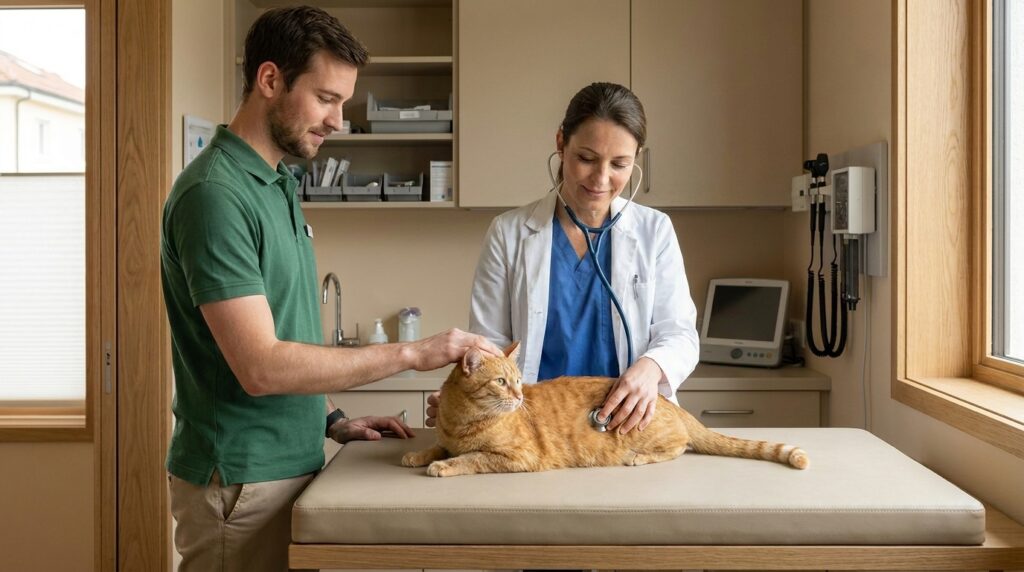
Annual wellness exams should always include an oral evaluation. If your veterinarian detects heavy tartar, gingivitis, or suspected tooth resorption, they will recommend a professional dental scaling and polishing under general anesthesia. Anesthesia is necessary to allow full subgingival cleaning and intraoral X-rays.
Check our cost of owning an indoor cat guide for budgeting advice on veterinary procedures.
Frequently Asked Questions
How do I know if my cat has dental problems?
Watch for bad breath, red gums, yellow tartar, drooling, head tilting while eating, dropping food, or switching preference from dry kibble to wet food.
Is human toothpaste safe for cats?
No. Human toothpaste contains ingredients (like xylitol, foaming agents, and high fluoride levels) that are toxic when swallowed by cats.
How often should I brush my cat’s teeth?
Daily is ideal, as plaque hardens into tartar within 48 to 72 hours. Brushing 3 to 4 times weekly still provides substantial protection.
What is feline tooth resorption?
A painful condition where internal tooth structures erode. It affects up to 60% of adult cats and requires vet X-rays and extractions to treat.
Do dental treats replace brushing?
No. VOHC-approved dental treats reduce surface buildup, but brushing remains the most effective method for cleaning along the gumline.
First-hand Experience
During our 7-year-old cat Maya’s annual checkup, her breath had become noticeably sour, but she was still crunching dry food normally. Her vet performed dental X-rays under anesthesia and discovered two severely resorbed premolars hidden beneath seemingly normal gums. After the extractions and a professional polish, Maya became noticeably more energetic and affectionate — proving just how much silent discomfort she had been masking.
Related reading: Full Guide to Indoor Cat Care covers vet care alongside nutrition, litter, environment, and behavior. See also How to Tell If Your Cat Is in Pain and Senior Cat Nutrition.