By Emma Hartley | Reviewed by IndoorCatWell Editorial Team | Last updated September 2026
This article provides practical, veterinary-supported cat health and behavior guidance. If you buy through our links, we may earn an affiliate commission at no extra cost to you. Read our full Affiliate Disclosure.
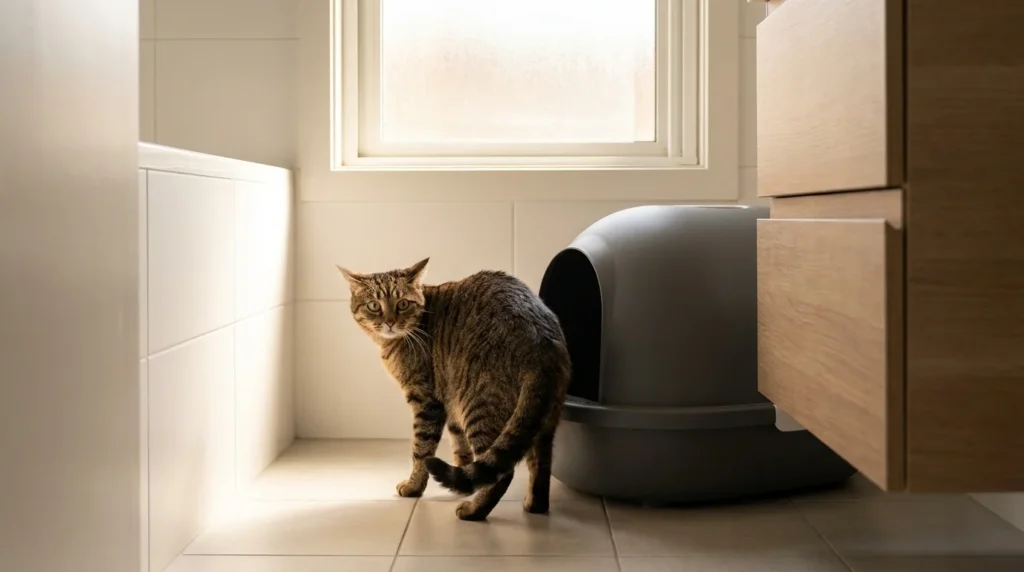
A cat that has reliably used the litter box for months or years and then abruptly stops is far more likely dealing with an acute medical issue than a behavioral rebellion. Conditions such as urinary tract infections, bladder stones, and feline idiopathic cystitis (FIC) cause sharp pain during elimination, causing a cat to associate the box itself with distress.
⚡ Quick Summary: Cat Suddenly Stops Using the Litter Box
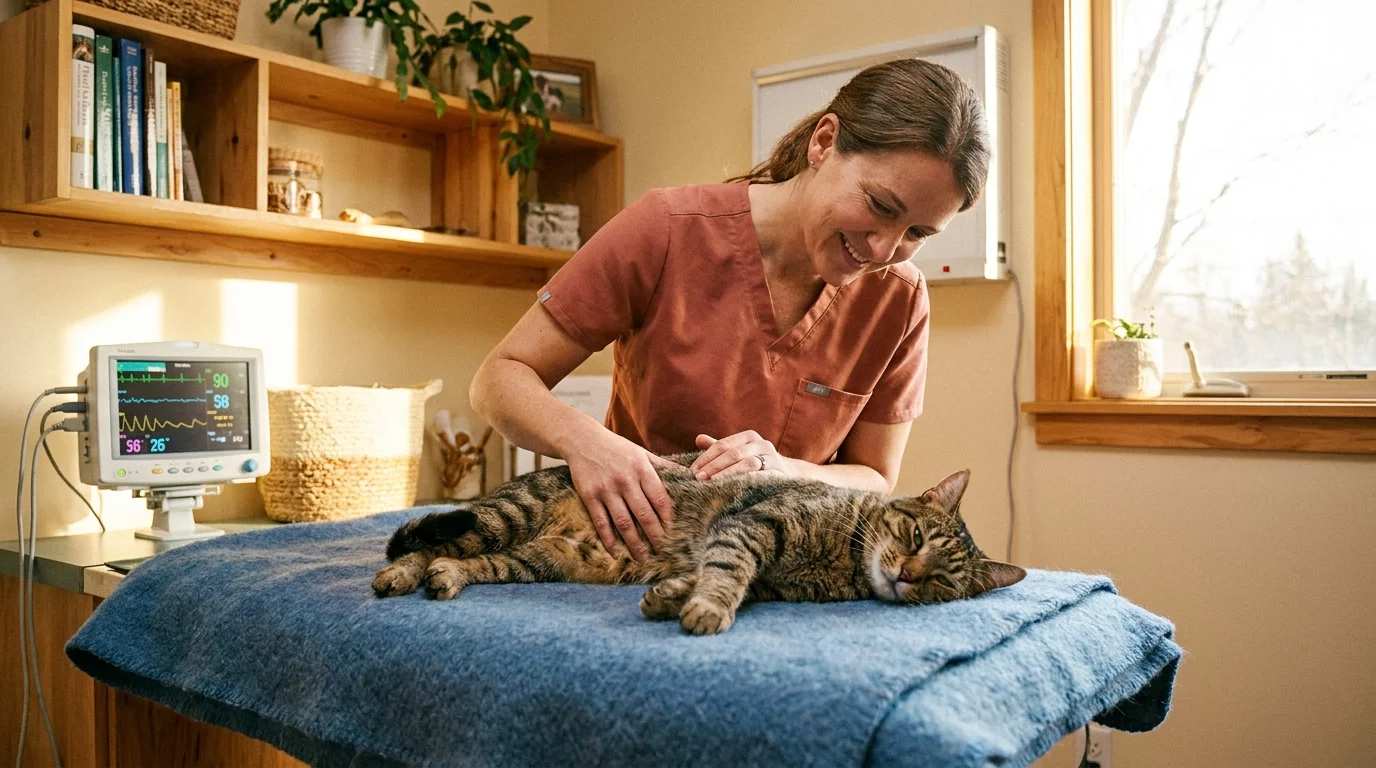
Always rule out medical conditions first with a urinalysis and physical exam. Sudden box avoidance is a hallmark sign of feline urinary disease or arthritis pain. Once medically cleared, evaluate environmental triggers: scoop twice daily, add extra boxes (N+1 rule), avoid scented litters, and never scold your cat.
Why “Sudden” Is a Critical Clinical Clue
A gradual breakdown in litter habits—such as occasional hesitancy over several months as a box gets older or dirtier—often points toward environmental dissatisfaction. However, a cat that eliminated normally yesterday and completely avoids the box today is exhibiting an acute red flag. Veterinary clinicians at the American Association of Feline Practitioners (Cat Friendly Homes) emphasize that sudden house soiling warrants ruling out underlying illness before assuming behavioral spite.
6 Medical Causes to Rule Out First
Before moving furniture or experimenting with litters, have your veterinary clinic investigate these common health culprits:
- Urinary Tract Infections (UTI) & Feline Idiopathic Cystitis (FIC): Bladder wall inflammation creates severe burning during urination. Cats intuitively connect that stinging sensation to the physical box, fleeing to cool, smooth surfaces like tile or bathtubs instead.
- Bladder Stones or Uroliths: Mineral crystals and stones irritate mucosal linings, resulting in bloody urine (hematuria), frequent straining, and box avoidance.
- Severe Constipation or Megacolon: Difficulty passing dry, hard feces creates intense rectal pain. If your cat poops on the floor but pees inside the box, review our detailed guide on why cats pee in the box but poop outside it.
- Osteoarthritis & Spinal Spondylosis: Over 90% of cats over age 10 suffer from degenerative joint pain. Stepping over a 6-inch high-sided plastic rim and maintaining a deep squat on shifting clay can be agonizing.
- Chronic Kidney Disease (CKD) or Diabetes: Both metabolic illnesses cause extreme thirst and excessive urination (polyuria). The litter box becomes saturated rapidly, deterring fastidious cats from entering.
- Cognitive Dysfunction Syndrome (Feline Dementia): Elderly cats can experience sudden spatial disorientation, forgetting the route to the box or the purpose of the substrate.
If your cat squats repeatedly in or near the box, strains with intense abdominal effort, vocalizes in distress, or licks their genitals obsessively with little to no urine produced, this is an acute life-threatening medical emergency. A blocked urethra can cause fatal bladder rupture or kidney shutdown within 24 to 48 hours. Rush to an emergency animal hospital immediately.
Environmental and Behavioral Triggers
If your veterinarian provides a clean bill of health, examine your household environment according to resources from Purina’s litter box guide and Chewy’s behavior analysis:
- Inadequate Cleanliness: Felines possess 200 million olfactory receptors. A box that smells acceptable to humans can be repulsively pungent to a cat. Scoop at least once or twice daily.
- Sudden Substrate or Scent Change: Did you recently buy a scented, crystal, or pellet litter? Cats dislike artificial perfumes. If switching, follow our step-by-step guide on how to switch cat litter without refusal.
- Location Disruption: Moving the box even a few feet, or placing it near a noisy furnace, washing machine cycle, or drafty exterior doorway can trigger instant avoidance. See ideal setups in our apartment litter placement guide.
- Litter Depth Inconsistencies: Too deep feels like quicksand; too shallow produces muddy clumps. Verify depth using our guide on how deep cat litter should be.
- Not Enough Boxes: Always maintain the golden formula: Number of Boxes = Number of Cats + 1. Check our breakdown on how many litter boxes you need for 2 cats.
- Inter-Cat Bullying & Ambush Points: Covered boxes with a single entrance leave subordinate cats vulnerable to ambushes by dominant housemates, turning bathroom visits into high-stress traps.
Step-by-Step Action Plan
- 1. Visit the Vet First: Submit a fresh urine sample to screen for crystals, bacteria, and blood.
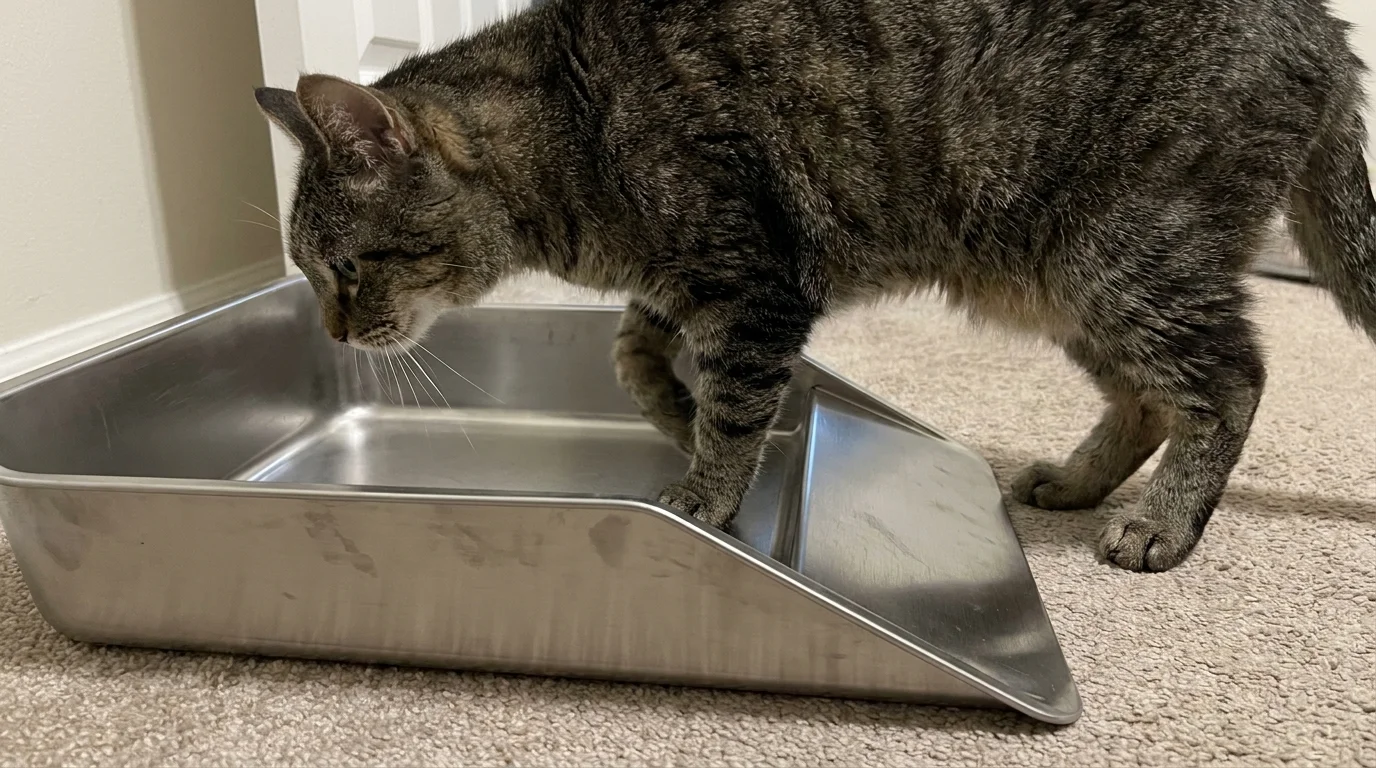
- 2. Provide Low-Sided, Open Pans: Remove plastic hoods and switch to wide, open trays so your cat has 360-degree visibility and effortless entry.
- 3. Clean Accident Sites With Enzymatic Cleaners: Never use bleach or ammonia-based cleaners, which mimic feline urine. Saturate stained flooring with enzymatic cleaner to eliminate residual scent markers.
- 4. Add an Extra Unscented Litter Box: Place an additional box in a quiet, accessible corner filled with fine-grained unscented clay.
- 5. Zero Punishment: Never yell, rub paws in waste, or spray water. Punishment elevates feline anxiety, worsening cystitis flare-ups and driving elimination behind furniture.
Frequently Asked Questions
Is my cat doing this out of spite or to get back at me?
No. Cats lack the cognitive architecture for spite, revenge, or guilt. When a cat eliminates outside the box, they are communicating physical pain, acute environmental stress, or severe aversion to the setup.
How long should I wait before booking a vet appointment?
Do not wait. Sudden changes in urination should be evaluated within 24 to 48 hours. If you observe repeated straining without urine output, seek emergency veterinary care immediately.
My senior cat suddenly stopped using the box. Is it just old age?
It is often arthritis or early cognitive changes. Rather than accepting it as inevitable, work with your vet to prescribe pain management and switch to a low-rimmed senior litter pan.
Authoritative Sources & Further Reading
- Cat Friendly Homes (AAFP): Why Cats Stop Using the Litter Box
- Purina: Cat Not Using the Litter Box? Causes & Solutions
- Chewy Education: Cat Stopped Using the Litter Box Explained
🐾 Explore More Feline Litter & Health Guides
Restore flawless hygiene and harmony in your home: