By Emma Hartley | Reviewed by IndoorCatWell Editorial Team | Last updated August 2026
This article provides practical, veterinary-supported cat health guidance. If you buy through our links, we may earn an affiliate commission at no extra cost to you. Read our full Affiliate Disclosure.
A cat that suddenly stops eating deserves prompt attention because appetite loss can stem from anything from dental pain and acute stress to gastrointestinal disease or serious systemic illness. If an adult cat has not eaten properly for about 24 hours, veterinary advice is warranted, and young kittens or cats with concurrent symptoms require urgent medical evaluation.
Unlike humans or dogs who can comfortably fast for several days during mild illness, feline metabolism functions on a delicate biological timeline. When a cat goes without food, their unique physiology rapidly mobilizes body fat to the liver, creating a serious risk of hepatic lipidosis (fatty liver disease). Whether your cat has skipped a single meal, approaches the food dish only to walk away, or refuses food while continuing to drink water, recognizing the underlying cause is essential to protect their health. Observing subtle shifts in cat body language can provide crucial diagnostic clues.
⚡ Quick Summary: When Is Appetite Loss Concerning?
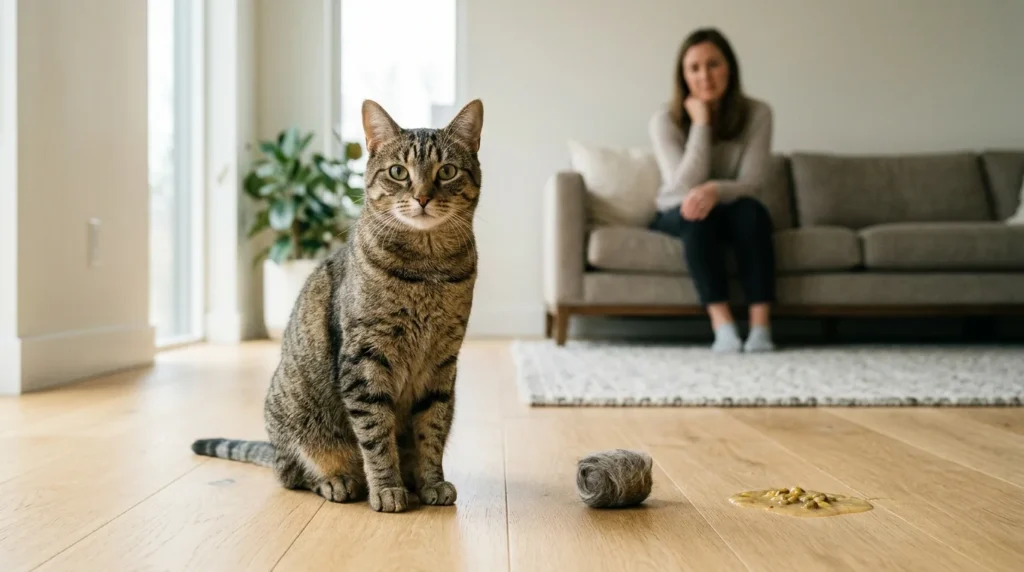
A single skipped meal in an otherwise energetic cat is usually benign. However, complete food refusal exceeding 24 hours, gradual appetite decline lasting several days, or food refusal paired with lethargy, vomiting, or hiding demands prompt veterinary intervention. If your cat is also vomiting, review our guide on why your cat is throwing up and cat vomiting vs. hairballs.
Quick Triage: What Your Cat’s Symptoms Mean
Clinical guidelines from the Cornell Feline Health Center on Anorexia in Cats emphasize evaluating the duration of food refusal alongside accompanying physical and behavioral signs:
| What You Observe | Recommended Action |
|---|---|
| Missed one meal, but otherwise completely normal and alert | Monitor closely; ensure fresh food and clean, shallow dish |
| Eating noticeably less food over 1 to 2 consecutive days | Monitor closely; investigate dental discomfort or environmental stress |
| Has not eaten properly for approximately 24 hours | Contact your veterinarian for medical advice and guidance |
| Not eating + vomiting, diarrhea, lethargy, or visible pain | Contact your veterinarian promptly for urgent assessment |
| Kitten, senior, overweight, or medically fragile cat refusing food | Seek veterinary advice sooner (within 6 to 12 hours) |
| Not eating + weakness, collapse, breathing distress, or severe pain | Seek immediate emergency veterinary care without delay |
How Long Can a Cat Go Without Eating?
A frequent question among worried pet owners is: “How long can a cat survive without food?” For a detailed hourly breakdown and metabolic timeline, read our complete guide on how long a cat can go without eating. Asking how long a cat can theoretically survive is the wrong clinical question. The vital question is: how quickly should you intervene to prevent permanent organ damage?
Guidance from the Merck Veterinary Manual advises taking any cat that refuses food for more than a day to a veterinarian. Here is how risk escalates over time:
If Your Cat Misses One Meal
Skipping a single scheduled meal is relatively common. It may be triggered by temporary noise, minor gastrointestinal rumbling, or simple disinterest. As long as your cat remains energetic, alert, and willing to drink water, monitor them until the next mealtime.
If Your Cat Has Not Eaten for 12 Hours
At the 12-hour mark without food, offer a small portion of aromatic wet food in a quiet, undisturbed area. If your cat is a young kitten, diabetic, or significantly overweight, reach out to your veterinarian now rather than waiting overnight.
If Your Cat Has Not Eaten for 24 Hours
A full 24 hours of complete anorexia in an adult cat is a clear medical milestone that requires professional guidance. At this stage, feline metabolic shifts begin, and finding the underlying medical cause is essential to avoid secondary complications.
If Your Cat Has Not Eaten for 48 Hours
Forty-eight hours without food represents a serious medical situation. Anorexia of this duration places significant stress on the feline liver and frequently results in acute dehydration, electrolyte imbalances, and muscle wasting. Schedule a same-day veterinary appointment.
What About Kittens?
Kittens (especially those under 6 months) have minimal fat reserves and immature liver function. A kitten that skips meals for even 6 to 12 hours can rapidly develop life-threatening hypoglycemia (low blood sugar), severe hypothermia, and dehydration. Never wait 24 hours for a kitten refusing food.
Why Is My Cat Not Eating? 12 Common Causes
Appetite loss (anorexia) is a clinical symptom, not a single disease. Veterinarians categorize the triggers into 12 primary causes:
1. Dental Pain or Mouth Problems
Dental disease is one of the leading reasons cats want to eat but physically hesitate. Feline tooth resorption, severe gingivitis, stomatitis, fractured teeth, or oral ulcers create sharp pain when food touches inflamed gums. Cats may approach their dish eagerly, sniff the food, and then back away or drop kibble from their mouths.

2. Nausea or Gastrointestinal Upset
Nausea powerfully suppresses the feline feeding drive. Cats suffering from nausea often show subtle cues such as excessive lip-licking, drooling, or swallowing before turning away from food. Learn more about gastrointestinal distress in our comprehensive guide on why your cat is throwing up.
3. Gastrointestinal Disease & Blockages
Gastritis, severe constipation, inflammatory bowel disease (IBD), and foreign-body obstructions (like swallowed hairballs, string, or toy pieces) prevent normal stomach emptying. If an obstruction is present, eating triggers acute cramping and vomiting.
4. Chronic Kidney Disease (CKD)
In mature and senior felines, declining kidney function allows uremic toxins to accumulate in the bloodstream. These toxins cause persistent low-grade nausea, oral uremic ulcers, altered sense of taste, and a gradual reduction in appetite, frequently accompanied by increased thirst.
5. Liver Disease
Hepatitis, cholangiohepatitis, and bile duct disorders impair metabolic waste clearance, leading to malaise, jaundice (yellowing of the eyes and gums), and complete food refusal.
6. Pancreatitis
Feline pancreatitis is a notoriously subtle condition. Unlike dogs who exhibit obvious abdominal agony, cats with inflamed pancreases primarily present with quiet lethargy, nausea, and profound appetite loss. Early nutritional support is vital in feline pancreatitis management.
7. Respiratory Infection or Nasal Congestion
Cats rely heavily on their acute sense of smell to stimulate appetite. An upper respiratory infection (feline herpesvirus, calicivirus) that congests the nasal passages prevents the cat from smelling their food. If they cannot smell it, they rarely attempt to eat it.
8. Stress or Environmental Disruption
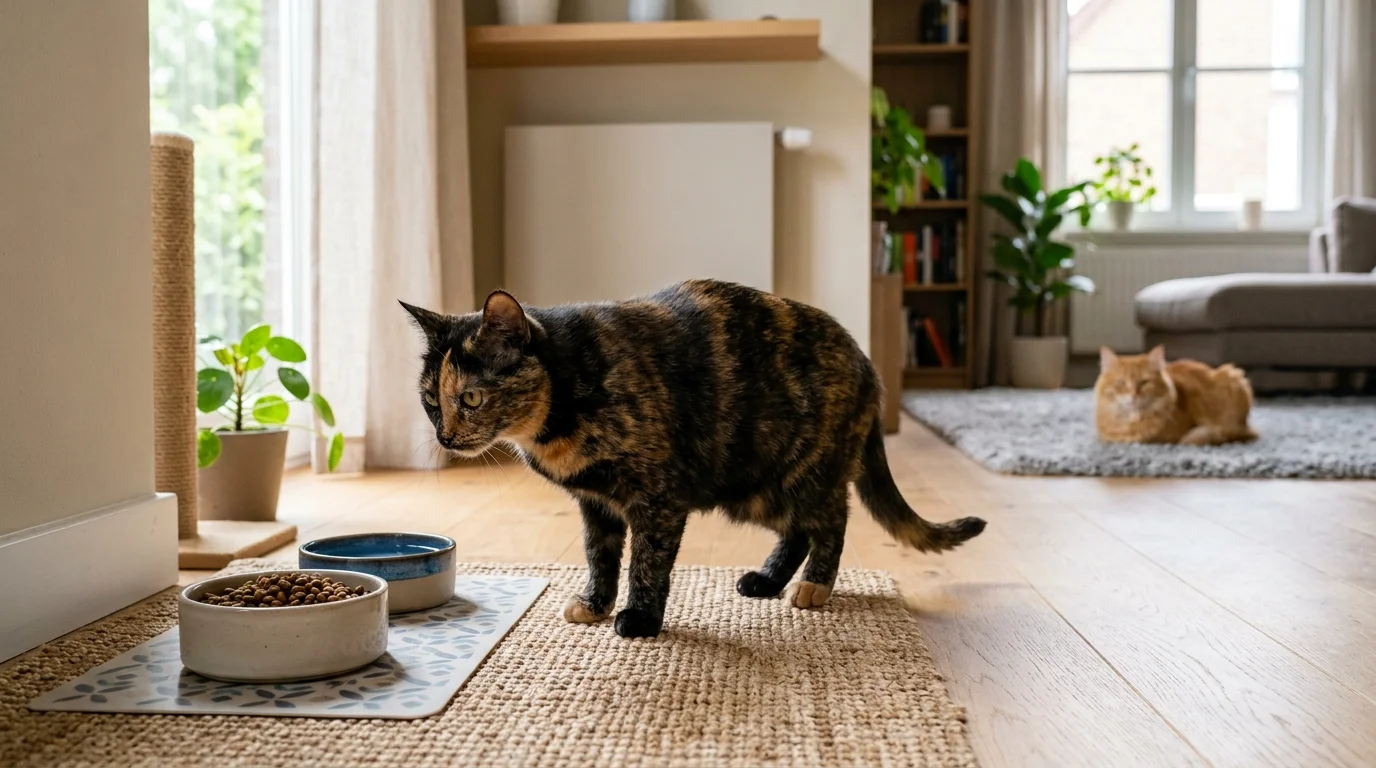
Cats are creatures of strict routine. Household changes — such as moving to a new home, home remodeling, inter-cat tension, new family members, or placing food bowls near loud appliances or litter boxes — can trigger stress-induced food avoidance.
9. Sudden Food Changes or Food Aversion
An abrupt switch to a new brand, a recipe reformulation, stale dry food, or a dirty bowl with rancid fat residue can cause immediate refusal. Furthermore, if a cat felt nauseated while eating a particular food in the past, they may form a learned taste aversion to that specific flavor or texture.
10. Pain or Mobility Impairment
Senior cats suffering from osteoarthritis may find it physically agonizing to walk down stairs, bend down to a floor-level bowl, or stand on slippery tile while eating. Review the subtle indicators in our guide to how to tell if your cat is in pain.
11. Medication Side Effects
Certain prescription medications, including oral antibiotics, chemotherapy agents, and NSAIDs, can cause gastric irritation or a bitter aftertaste that suppresses appetite. Never discontinue prescribed medications without contacting your prescribing veterinarian first.
12. Underlying Systemic Disease
Systemic conditions such as uncontrolled diabetes mellitus, feline leukemia virus (FeLV), feline infectious peritonitis (FIP), and cancer (such as intestinal lymphoma) frequently cause progressive anorexia and weight loss.
Is Your Cat Refusing Food or Unable to Eat?
Observing your cat’s physical behavior at mealtime provides essential diagnostic clues. In veterinary medicine, there is a fundamental difference between true anorexia (the cat has no desire to eat) and pseudoanorexia (the cat feels hungry and wants to eat, but physical pain or mechanical difficulty prevents them):

| What You Observe | Probable Underlying Pattern |
|---|---|
| Walks eagerly to bowl, sniffs, then hesitates and backs away | Dental pain, sudden nausea, or conditioned food aversion |
| Tries to chew kibble, tilts head awkwardly, and drops food | Periodontal disease, tooth resorption, or oral mass |
| Sniffs food with interest, licks lips, and walks away | Nausea, upper respiratory congestion, or whisker fatigue |
| Meows for food, appears hungry, but cannot swallow | Throat, pharyngeal, or esophageal foreign body/inflammation |
| Shows zero interest in food and stays hidden in another room | Systemic illness, fever, severe pain, or severe stress |
| Refuses hard dry food but eagerly eats soft wet food or puree | Oral or dental discomfort; sensitivity to hard textures |
Why Is My Cat Not Eating but Drinking Water?
When a cat refuses food while continuing to drink water from their bowl or fountain, caregivers often breathe a sigh of relief. While maintaining hydration is positive, drinking water does NOT make prolonged food refusal safe. Caloric deprivation and essential protein deficiency still trigger metabolic stress regardless of water consumption.

In fact, a cat that refuses food while drinking excessively (polydipsia) is frequently exhibiting classic signs of chronic kidney disease, diabetes mellitus, or liver dysfunction. For healthy hydration baselines, consult our cat hydration guide.
My Cat Is Eating Less but Still Eating
Partial appetite loss (clinically termed hyporexia) is easily overlooked because the cat is technically still eating something. You might notice half-finished bowls, leaving kibble behind, or taking twice as long to finish a meal. A gradual decline in food intake over days or weeks often points toward progressive chronic conditions — such as dental disease, low-grade inflammatory bowel disease, or early kidney decline. If partial appetite loss persists for more than 3 to 4 days, schedule a veterinary checkup.
How to Encourage a Cat to Eat Safely
While arranging a veterinary consultation, you can employ gentle, non-invasive techniques to make food more enticing:

- Warm the Food Slightly: Microwaving wet food for 3 to 5 seconds to body temperature (around 100°F / 38°C) volatilizes aromatic fats, dramatically boosting olfactory appeal. Always stir thoroughly to prevent hot spots.
- Offer a Familiar, Highly Palatable Wet Food: Aromatic pate, gravy pouches, or plain meat baby food (containing zero onion or garlic powder) can stimulate interest.
- Optimize the Feeding Environment: Move the food bowl to a quiet, private area far away from high-traffic hallways, noisy appliances, dogs, and litter boxes.
- Use Wide, Shallow Dishes: Deep or narrow bowls cause sensitive whiskers to brush against the sides (whisker fatigue). Use wide ceramic, glass, or stainless steel plates.
- Offer Small, Frequent Meals: Rather than serving an overwhelming large bowl, present small portions (1 to 2 tablespoons) multiple times throughout the day.
What NOT to Do If Your Cat Won’t Eat
When desperate to get a pet to eat, well-meaning caregivers sometimes try well-intentioned but dangerous tactics. Guidance from VCA Animal Hospitals on Anorexia in Cats specifically warns against several common mistakes:
- Never Force-Feed or Syringe-Feed Without Veterinary Instruction: Forcing food into a resisting cat’s mouth carries a severe risk of food entering the trachea, causing life-threatening aspiration pneumonia, and creating severe food aversion.
- Never Administer Human Appetite Stimulants or Painkillers: Over-the-counter human medications (including acetaminophen and ibuprofen) are highly lethal to cats.
- Do Not Abruptly Cycle Through 10 Different Foods: Rapidly rotating through multiple new foods when a cat feels nauseated can cause them to develop aversions to every option offered.
- Do Not Assume It Is Purely “Picky Eating”: A cat who previously ate reliably does not become stubborn overnight without an underlying physical or environmental reason.
- Do Not Wait Multiple Days Just Because Your Cat Is Drinking: As noted, water intake does not prevent the onset of hepatic lipidosis.
When Is a Cat Not Eating an Emergency?
Seek urgent veterinary emergency care immediately if appetite loss is accompanied by any of the following critical red flags:

- Repeated vomiting or retching alongside food refusal
- Yellow discoloration of the gums, whites of eyes, or inside ears (jaundice / icterus)
- Severe lethargy, unresponsiveness, or inability to stand
- Labored, open-mouth breathing or rapid panting
- Signs of severe abdominal pain or crying when touched
- Known exposure to toxic lilies, human medications, or swallowed string
- Food refusal exceeding 12 hours in a kitten under 6 months
Why Cats Can Develop Fatty Liver (Hepatic Lipidosis) When Fasting
The primary biological danger of feline food refusal is hepatic lipidosis (feline fatty liver syndrome). Research from the Cornell Feline Health Center on Hepatic Lipidosis details the metabolic cascade that occurs when an anorexic cat stops taking in protein and calories:
- 1. Caloric Deprivation: The body senses starvation and begins rapidly breaking down peripheral fat stores for energy.
- 2. Fat Overload in the Liver: Massive quantities of fatty acids flood the liver.
- 3. Metabolic Impairment: Because felines have an obligate requirement for specific dietary amino acids (like methionine and carnitine) to process fat, the liver becomes overwhelmed without incoming food.
- 4. Liver Dysfunction: Fat accumulates inside liver cells (hepatocytes), swelling the organ, compressing bile ducts, and leading to liver failure.
While overweight and obese cats are at significantly higher risk due to large fat stores, hepatic lipidosis can occur in any cat experiencing prolonged anorexia. Prompt veterinary treatment — including nutritional support via feeding tubes — carries an excellent prognosis when instituted early.
Signs Your Cat Needs More Than Appetite Support
When appetite loss pairs with other clinical signs, it narrows the diagnostic possibilities:
- Not Eating + Vomiting: Signals gastritis, pancreatitis, foreign body obstruction, or acute kidney injury.
- Not Eating + Hiding: Felines instinctively isolate themselves when experiencing severe pain or weakness; see why cats hide when sick.
- Not Eating + Weight Loss: Indicates chronic subclinical disease such as CKD, diabetes, IBD, or feline lymphoma (if your cat is eating normally but losing weight, see why cats lose weight while eating).
- Not Eating + Diarrhea or Constipation: Points toward primary gastrointestinal inflammation, parasites, or severe fecal impaction.
What to Track Before Calling Your Veterinarian
To assist your veterinary team in reaching a fast, accurate diagnosis, compile the following information before your visit:
- Exact Timeline: When did your cat eat their last normal meal, and when did food refusal begin?
- Type of Refusal: Is it complete refusal, or are they eating small amounts of wet food or treats?
- Water Consumption: Are they drinking normally, increased amounts, or refusing water as well?
- Litter Box Habits: When did they last pass normal stool and urine?
- Physical Symptoms: Have you observed vomiting, drooling, sneezing, coughing, or pawing at the mouth?
- Environmental History: Any recent brand switches, new household pets, visitors, or access to toxins?
- Smartphone Video: If your cat approaches the bowl and makes unusual chewing or dropping motions, capture a 10-second video for your vet.
Frequently Asked Questions
Is it normal for a cat to skip one meal?
Yes. An isolated skipped meal in an otherwise energetic, alert cat who drinks water and shows no signs of illness is usually not an emergency. However, if food refusal extends past 24 hours, seek veterinary advice.
How long can a cat go without eating?
An adult cat should never go without food for more than 24 hours without veterinary advice. Beyond 24 to 48 hours, cats face a significant risk of hepatic lipidosis (fatty liver disease). Kittens should be evaluated if they miss food for more than 6 to 12 hours.
Why is my cat not eating but drinking water?
A cat refusing food while drinking water is maintaining hydration, but the lack of calories still puts them at risk for fatty liver. This combination frequently occurs with chronic kidney disease, diabetes, or liver disease and requires a veterinary exam.
Why is my cat sniffing food but not eating?
Sniffing food and walking away often indicates low-grade nausea, nasal congestion that dulls smell, whisker fatigue from deep bowls, or conditioned food aversion to that specific flavor.
Why does my cat want food but won’t eat it?
When a cat begs for food but cannot chew or swallow, oral pain from periodontal disease, tooth resorption, fractured teeth, or mouth ulcers is the primary culprit. Have their teeth examined by a vet.
Can stress make a cat stop eating?
Yes. Environmental disruption, moving, new pets, loud remodeling, or inter-cat tension can cause stress-related food refusal. However, medical causes should always be investigated if refusal continues.
Can dental problems cause a cat to stop eating?
Yes. Dental disease is one of the most common causes of pseudoanorexia in cats. Tooth resorption lesions below the gumline can make chewing agonizing while remaining invisible to the owner.
Is it dangerous if my cat doesn’t eat for 24 hours?
Yes. Twenty-four hours without food is the threshold where veterinary contact is strongly advised to prevent dehydration and metabolic complications like hepatic lipidosis.
Why is my kitten not eating?
Kittens can stop eating due to upper respiratory infections, parasites, teething pain, or sudden diet changes. Because kittens have tiny energy reserves, missing food for more than 6 to 12 hours is an urgent concern.
What should I do if my cat refuses food?
Try warming their wet food, offering a quiet feeding spot, and using a wide shallow plate. If refusal exceeds 24 hours or if symptoms like vomiting, lethargy, or pain appear, contact your veterinarian promptly.
Final Takeaway
A cat’s appetite is a direct window into their physiological comfort. While a single skipped meal in an otherwise happy, playful cat is often harmless, complete food refusal exceeding 24 hours or partial appetite loss lasting multiple days should never be ignored. Gentle warming, quiet feeding areas, and shallow bowls can help entice eating, but professional veterinary evaluation is essential to address the root cause and protect against hepatic lipidosis. Explore our comprehensive feline health resources to support your cat’s lifelong vitality:
- Why Is My Cat Throwing Up? Causes, Colors & When to See a Vet
- How Long Can a Cat Go Without Eating? 24, 48 & 72 Hours
- Why Is My Cat Losing Weight but Still Eating? Causes & Warning Signs
- Cat Vomiting vs Hairball: How to Tell the Difference
- How to Tell If Your Cat Is in Pain: Subtle Signs Owners Miss
- Why Is My Cat Hiding? Normal vs. Concerning Reasons
- Cat Hydration Guide: How Much Water Does a Cat Need?
- Food Allergies vs. Food Intolerance in Cats: How to Tell the Difference
- Best Cat Food for Sensitive Stomachs: Digestive Care Guide
- Complete Cat Grooming Guide: Brushing, Nails, Ears & Bathing
🐾 Explore More Cat Health & Care Guides
Support your indoor cat’s long-term health with our veterinarian-supported resources:
Veterinary information: This article is for general educational purposes and does not replace a veterinary examination or diagnosis. If your cat has stopped eating, especially if other symptoms are present, contact your veterinarian immediately.