By Emma Hartley | Reviewed by IndoorCatWell Editorial Team | Last updated August 2026
This article provides practical, veterinary-supported cat health guidance. If you buy through our links, we may earn an affiliate commission at no extra cost to you. Read our full Affiliate Disclosure.
An occasional, isolated episode of vomiting in an otherwise active, alert cat is common and often minor. However, vomiting that repeats within a day, persists across multiple days, contains blood or foreign material, or is accompanied by lethargy, appetite loss, or pain requires prompt veterinary evaluation rather than waiting.
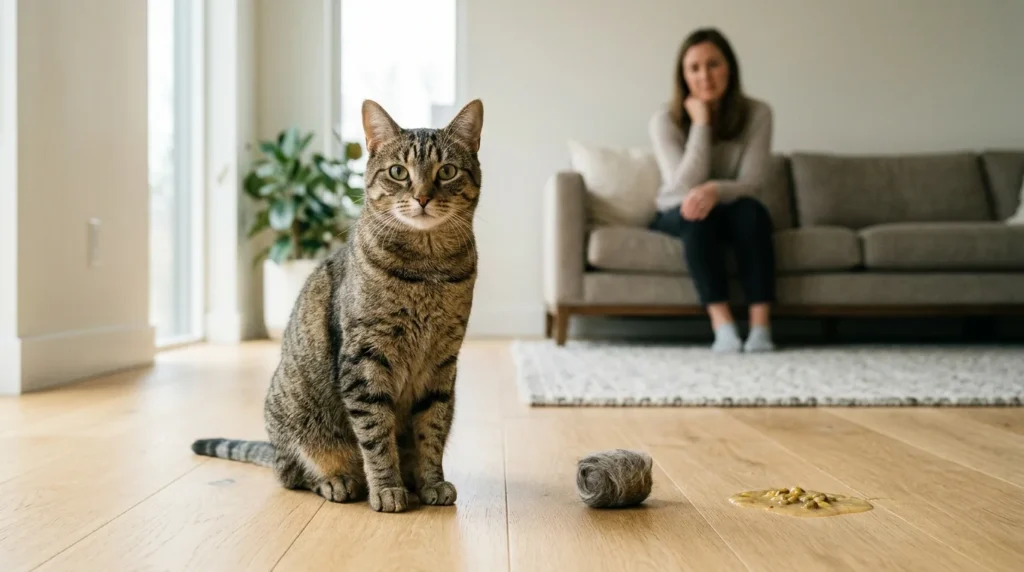
Finding a puddle of vomit on your living room rug or hardwood floor instantly triggers concern. While popular pet culture often normalizes vomiting as “just something cats do,” frequent or acute gastrointestinal distress is never normal. Felines possess sensitive vomiting centers in their brainstems that trigger expulsion readily, but distinguishing between a harmless dietary hiccup and a life-threatening medical emergency requires rapid symptom triage. Understanding subtle shifts in cat body language and physical comfort will help you determine how urgently your cat needs clinical care.
🚨 Is Your Cat’s Vomiting an Emergency?
Seek urgent veterinary care immediately if your cat is vomiting repeatedly within a few hours, has bright red blood or dark coffee-ground material in the vomit, cannot keep fresh water down, appears severely weak or unresponsive, shows signs of severe abdominal pain, has labored breathing, may have swallowed a linear foreign object (like string, yarn, or tinsel), or may have been exposed to a toxic plant (such as lilies) or chemical.
Quick Triage: What Your Cat’s Symptoms Mean
When deciding whether to schedule an appointment or rush to an emergency animal hospital, evaluate the overall symptom picture rather than relying on a rigid timeline:
| What You Observe | What It May Suggest | Recommended Action |
|---|---|---|
| One isolated episode, cat acting completely normal after | Minor digestive upset, hairball, or eating too fast | Monitor closely; ensure fresh water access |
| Vomiting repeatedly or continuing over several hours | Underlying illness, acute gastritis, or toxicosis | Urgent veterinary evaluation needed |
| Vomiting blood (fresh red or dark coffee-ground speckles) | Gastric ulceration, severe mucosal injury, foreign body | Emergency veterinary visit immediately |
| Vomiting plus complete refusal of food or water | Pancreatitis, obstruction, kidney disease, lipidosis risk | Prompt vet visit within 12 to 24 hours; see why cats stop eating |
| Vomiting accompanied by severe lethargy or collapse | Severe systemic distress, toxicosis, or sepsis | Emergency veterinary clinic immediately |
| Suspected swallowed string, ribbon, thread, or toy part | Linear gastrointestinal obstruction | Emergency vet visit; do not pull visible string |
| Vomiting alongside unexplained hiding behavior | Severe pain, discomfort, or progressive systemic illness | Veterinary assessment; see why cats hide when sick |
First: Is Your Cat Actually Vomiting?
Before diagnosing the cause, it is critical to determine whether your cat is experiencing true vomiting, regurgitation, coughing, or expelling a hairball. These events look similar but originate from completely different physical processes:
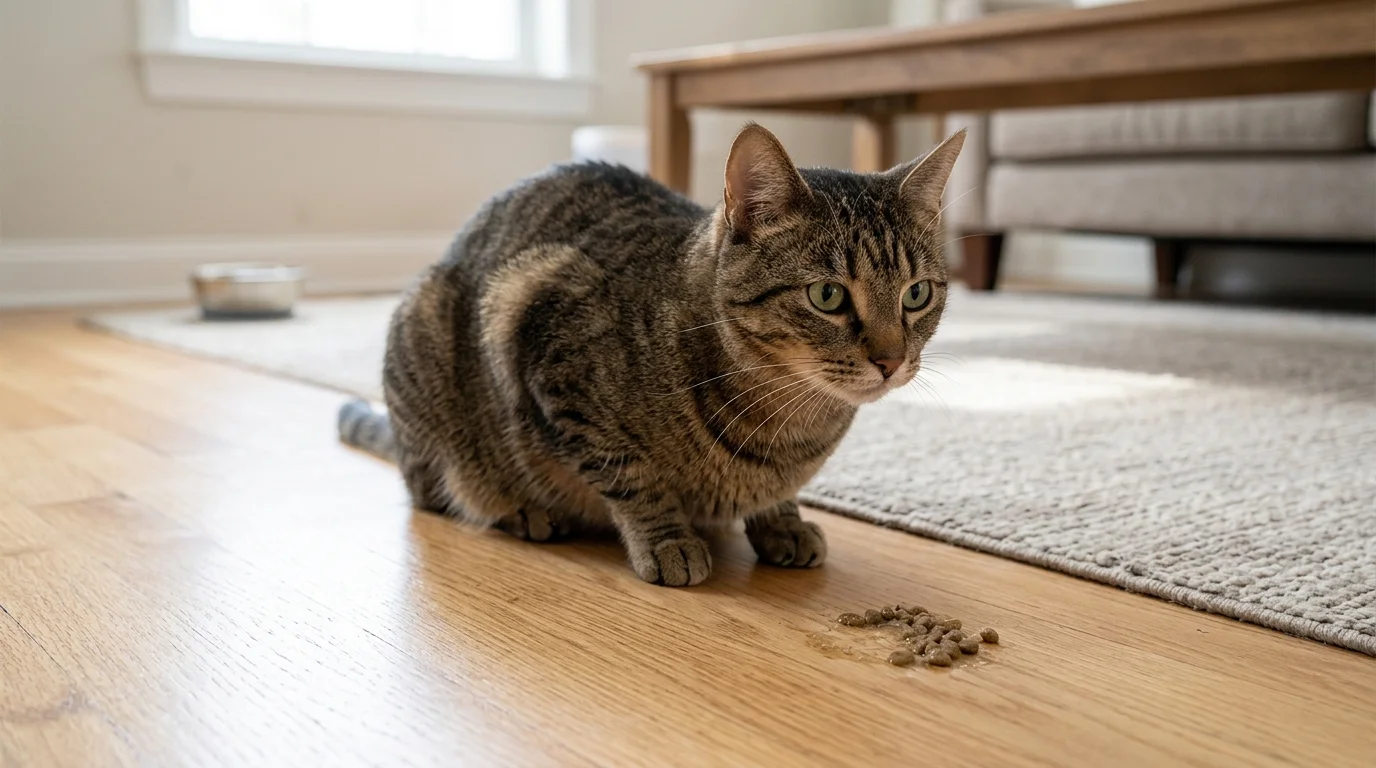
- True Vomiting: An active, forceful reflex involving rhythmic abdominal contractions and retching that ejects contents from the stomach and upper small intestine. Often preceded by nausea cues like excessive drooling, vocalizing, and lip-licking.
- Regurgitation: A passive, effortless process where undigested food or water slides back up from the esophagus without abdominal effort, usually shortly after eating.
- Coughing: Cats crouch low with necks extended and make a dry, hacking, or wheezing sound that can resemble gagging, often mistaken for a hairball attempt.
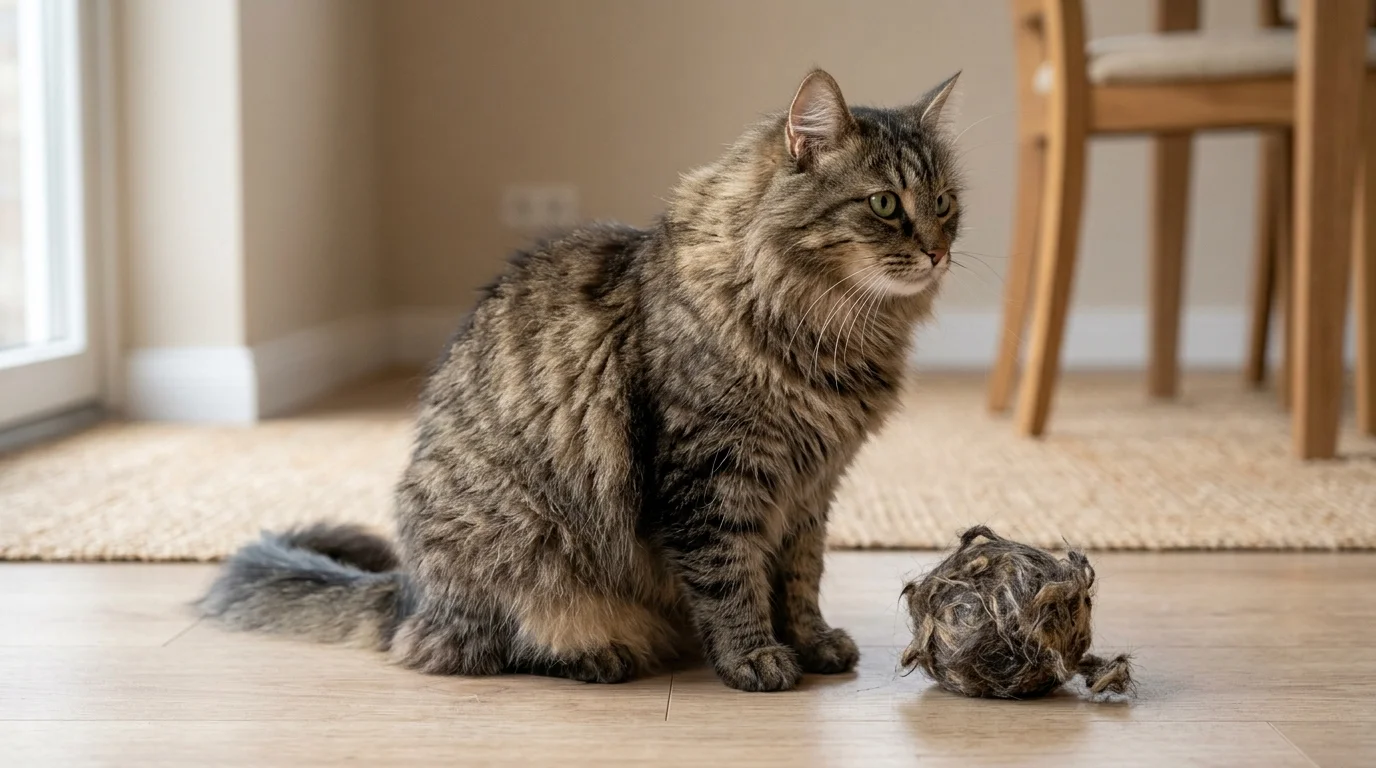
- Hairballs (Trichobezoars): Swallowed fur that compacts into an elongated, cylindrical mass. An occasional hairball can be normal, but frequent hairballs warrant veterinary attention.
12 Common Reasons Cats Throw Up
According to clinical guidelines from the Cornell Feline Health Center and VCA Animal Hospitals, feline vomiting stems from diverse dietary, environmental, and medical triggers:
1. Hairballs (Trichobezoars)
During routine self-grooming, cats ingest dead fur that normally passes through the digestive tract. In long-haired breeds or during seasonal shedding, hair can accumulate in the stomach, forming an elongated cylindrical clump that is eventually vomited up. Learn how to distinguish symptoms in our comparison guide on cat vomiting vs. hairballs and check cat hairball frequency.
2. Eating Too Fast (“Scarf and Barf”)
Cats that rapidly inhale dry kibble swallow excessive air. The dry food expands rapidly in the stomach, triggering a sudden stretch reflex that forces the meal back up. Using slow-feeder bowls or puzzle mats effectively resolves this habit.
3. Sudden Dietary Changes
Abruptly switching cat food brands or formulations disrupts delicate intestinal microflora and enzyme levels. Always transition food gradually over 7 to 10 days by mixing increasing proportions of the new diet.
4. Food Intolerances & Allergies
Hypersensitivity to specific animal proteins (such as chicken, beef, or fish) or artificial additives can cause chronic intermittent vomiting and itchy skin. Read our clinical guide to food allergies vs. food intolerance in cats and discover suitable sensitive stomach cat food formulas.
5. Ingestion of Foreign Objects & Linear Blockages
Cats are drawn to linear items like yarn, sewing thread, hair ties, ribbons, and holiday tinsel. A swallowed string can anchor under the tongue or in the stomach while the intestines bunch around it (plication), causing life-threatening perforations. Never pull a visible string protruding from a cat’s mouth or anus; seek immediate veterinary surgery.
6. Toxic Plants & Household Poisons
Many indoor houseplants are highly toxic to felines. All true lilies (Lilium and Hemerocallis species) are extremely lethal, causing fatal acute kidney failure even from microscopic amounts of pollen. Human medications (like ibuprofen or acetaminophen), household cleaners, and essential oils are also common emergency toxins. Consult the ASPCA Animal Poison Control Center immediately upon suspected exposure.
7. Gastrointestinal Parasites
Roundworms, hookworms, Giardia, and tapeworms irritate the gastric mucosa. In heavy infestations, live worms (resembling thin spaghetti) may be visible in vomited fluid. Routine deworming and parasite screenings are essential.
8. Inflammatory Bowel Disease (IBD)
Chronic inflammation of the stomach and intestinal walls impedes nutrient absorption and causes intermittent chronic vomiting, diarrhea, and progressive weight loss.
9. Pancreatitis
Inflammation of the pancreas in cats can be acute or chronic, causing persistent nausea, lethargy, fever, abdominal tenderness, and complete loss of appetite.
10. Chronic Kidney Disease (CKD)
As kidney function declines in senior cats, metabolic uremic toxins build up in the bloodstream, triggering central nausea, gastric ulcers, increased thirst, and frequent vomiting of clear fluid or bile.
11. Hyperthyroidism
An overactive thyroid gland accelerates the feline metabolic rate, causing ravenous hunger, rapid food consumption, hyperactivity, weight loss, and frequent digestive upset.
12. Feline Gastrointestinal Lymphoma & Neoplasia
One of the most common cancers in mature and senior cats, lymphoma infiltrates the stomach or intestinal tract, causing chronic vomiting, poor coat quality, and wasting.
Cat Vomit Colors: What They May Mean
While vomit color alone cannot provide a definitive diagnosis, evaluating consistency and color provides essential diagnostic clues for your veterinarian:

| Vomit Appearance / Color | Potential Causes | Clinical Urgency |
|---|---|---|
| Undigested Whole Food | Eating too quickly, food intolerance, esophageal regurgitation | Moderate; monitor eating pace |
| Clear Liquid / Watery | Excessive water intake on empty stomach, nausea, kidney disease | Moderate; investigate if recurring |
| White Frothy Foam | Gastric irritation on empty stomach, hairball buildup, acid reflux | Moderate; monitor frequency |
| Yellow or Greenish Liquid (Bile) | Bile reflux from prolonged fasting, IBD, pancreatitis, liver disease | High if repeated over 24 hours |
| Cylindrical Fur Clump (Hairball) | Accumulated swallowed hair, excessive grooming | Low if occasional; vet visit if frequent |
| Bright Red Blood Specks or Streaks | Mouth or throat trauma, severe retching, gastric mucosal erosion | High / Urgent vet evaluation |
| Dark “Coffee-Ground” Granules | Partially digested blood from active upper GI bleeding or ulcer | Emergency veterinary care needed |
| Linear Object / Foreign Material | Swallowed toy, ribbon, string, rubber band, or household debris | Emergency vet care; do not pull |
When Should You Call a Vet?
Never dismiss recurrent vomiting as routine behavior. Seek professional veterinary attention according to the following clinical guidelines:
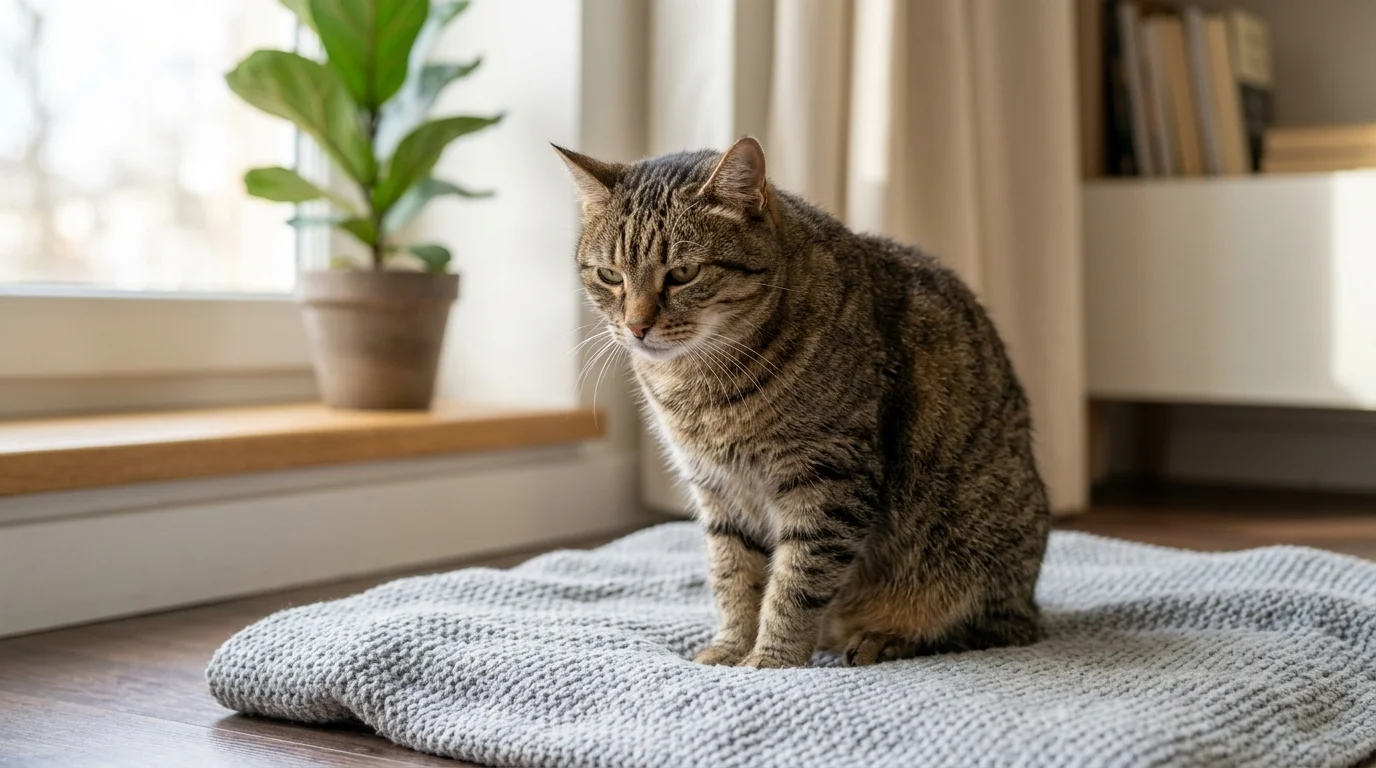
- Emergency Care (Immediate): Repeated vomiting in a single day, unproductive dry heaving, presence of blood, ingestion of toxins or strings, extreme lethargy, or signs of acute pain (see our guide on how to tell if your cat is in pain).
- Prompt Appointment (Within 24 Hours): Vomiting that persists across multiple days, accompanied by complete appetite loss, increased drinking, or diarrhea.
- Routine Investigation: Intermittent vomiting that occurs weekly or monthly, accompanied by gradual weight loss or poor coat condition.
Important medical caution regarding fasting: While resting the stomach for 2 to 4 hours immediately following an acute vomiting episode is reasonable, prolonged food deprivation in felines carries severe risks. Fasting an overweight or stressed cat for longer than 24 to 48 hours can trigger feline hepatic lipidosis (fatty liver syndrome), a potentially fatal liver disorder; see how long a cat can safely go without eating. Always maintain access to clean water and consult your veterinarian before restricting food.
What Should You Tell Your Veterinarian?
To assist your veterinary team in diagnosing the underlying condition quickly, prepare the following details before your visit:

- Timeline & Frequency: When did the first episode occur, how many times has it happened, and what is the exact interval between episodes?
- Appearance & Photo: Take a clear smartphone photo of the vomit showing color, consistency, and any visible objects or blood.
- Dietary History: Note recent diet changes, new treats, human food access, or rapid eating habits.
- Environmental Exposures: List household plants, cleaning products, medications, strings, or toys accessible to your cat.
- Litter Box & Systemic Signs: Report changes in urine output, presence of diarrhea or constipation, lethargy, fever, or weight loss.
Frequently Asked Questions
Why is my cat throwing up but acting completely normal?
When a cat vomits once and immediately resumes eating, playing, and purring, the cause is typically minor: eating too quickly, a simple hairball, or mild transient stomach upset. However, if “isolated” episodes recur weekly or monthly, an underlying chronic condition (like food sensitivity or early IBD) may still be developing.
Why is my cat throwing up yellow liquid?
Yellow liquid in cat vomit is bile, a digestive fluid produced by the liver and stored in the gallbladder. When a cat’s stomach remains empty for too long, bile can reflux into the stomach and cause irritation. Frequent bile vomiting can also indicate IBD, pancreatitis, or liver disease.
How often is it normal for a cat to throw up?
Vomiting should never be considered a “normal” routine function. An occasional hairball once every few weeks in long-haired cats may occur, but vomiting food, bile, or foam more than once a month is a medical sign that warrants a veterinary checkup.
Should I withhold food if my cat is vomiting?
You can rest the stomach for 2 to 4 hours after an acute vomiting episode, but never withhold food for longer than 24 hours without direct veterinary supervision. Prolonged fasting puts cats at high risk for hepatic lipidosis (fatty liver disease). Always maintain access to fresh water.
What is the difference between vomiting and regurgitation?
Vomiting is an active reflex with strong abdominal heaving that expels partially digested stomach contents. Regurgitation is a passive, effortless ejection of undigested food from the esophagus shortly after eating, with zero abdominal muscle effort.
Can stress cause a cat to throw up?
Yes. Acute stress (such as moving homes, introducing new pets, or loud construction) triggers physiological stress responses that alter gut motility and stimulate gastric acid secretion, leading to vomiting in sensitive felines.
Final Takeaway
While an isolated vomit episode in an energetic cat is often benign, repeated vomiting, blood, unproductive retching, or accompanying lethargy requires prompt veterinary diagnosis. Never ignore changes in your cat’s eating or grooming routines. Explore our comprehensive indoor cat health resources to support your pet’s digestive wellness:
- Cat Vomiting vs Hairball: How to Tell the Difference
- Why Is My Cat Not Eating? Causes & When to See a Vet
- How Long Can a Cat Go Without Eating? 24, 48 & 72 Hours
- Cat Hairballs: How Often Is Normal, and When to Worry
- How to Tell If Your Cat Is in Pain: Subtle Signs Owners Miss
- Why Is My Cat Hiding? Normal vs. Concerning Reasons
- Food Allergies vs. Food Intolerance in Cats: How to Tell the Difference
- Best Cat Food for Sensitive Stomachs: Digestive Care Guide
- Cat Hydration Guide: How Much Water Does a Cat Need?
🐾 Explore More Cat Health & Care Guides
Support your indoor cat’s long-term health with our veterinarian-supported resources:
Veterinary note: This article provides general educational information and is not a substitute for professional veterinary diagnosis or emergency treatment. If your cat is experiencing repeated vomiting, lethargy, or severe pain, contact a licensed veterinarian immediately.