By Emma Hartley | Reviewed by IndoorCatWell Editorial Team | Last updated September 2026
This article provides practical, veterinary-supported cat health guidance. If you buy through our links, we may earn an affiliate commission at no extra cost to you. Read our full Affiliate Disclosure.
A cat that is losing weight despite eating normally or eating more than usual isn’t a contradiction — it is a distinct clinical pattern. It typically indicates an underlying medical problem that accelerates metabolism, impairs gastrointestinal nutrient absorption, or causes nutrient loss, rather than a simple lack of food.
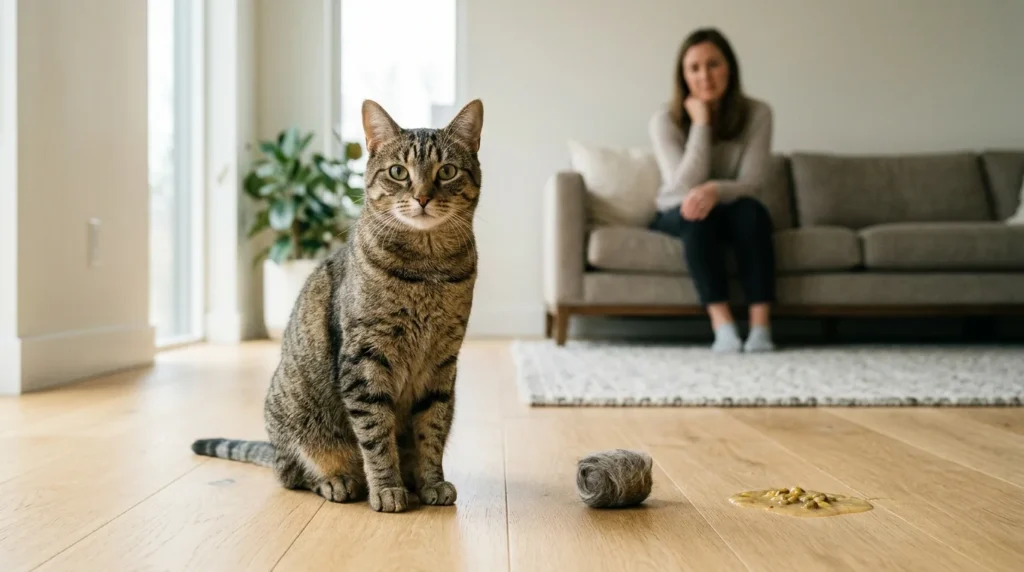
Watching your cat eagerly empty their food bowl every day while their spine and hip bones become increasingly prominent is deeply perplexing for pet parents. Because the cat still has a hearty appetite, it is easy to assume they cannot be seriously ill. However, veterinary clinicians consider unexplained weight loss with a preserved or increased appetite to be one of the most reliable indicators of metabolic or gastrointestinal disorders. If your cat is experiencing the opposite problem (complete food refusal), consult our companion guides on why your cat is not eating and how long a cat can safely go without eating. Paying close attention to subtle shifts in cat body language also provides valuable diagnostic clues.
⚡ Quick Summary: Why Is My Cat Losing Weight While Eating?
A cat that is losing weight despite eating normally or eating more may have an underlying medical problem such as hyperthyroidism, diabetes mellitus, gastrointestinal disease, intestinal parasites, or kidney disease. These conditions either burn calories rapidly, prevent nutrient absorption, or drain nutrients. Persistent or measurable weight loss should always be evaluated by a veterinarian rather than assumed to be normal aging.
First, Is Your Cat Actually Losing Weight?
Because thick feline coats easily mask subtle body shape changes, gradual weight loss can progress unnoticed for weeks or months. Relying solely on visual inspection often delays recognition until a cat has lost 15% to 20% of their total body mass.
How to Weigh Your Cat at Home
Tracking your cat’s weight objectively at home is straightforward with a consistent routine:

- Use a Digital Scale: Use a dedicated digital baby/pet scale, or step on your bathroom scale while holding your cat, note the combined weight, and subtract your own weight.
- Weigh at Consistent Times: Weigh your cat once a week at approximately the same time of day (such as before breakfast).
- Record Trends in a Log: Compare overall trends over 4 to 8 weeks rather than focusing on daily ounce-by-ounce fluctuations.
Weight Loss vs. Muscle Loss
An important distinction emphasized in the Merck Veterinary Manual is the difference between body condition scoring (fat loss) and muscle condition scoring (muscle wasting / sarcopenia).

A cat can retain a slight abdominal fat pad while suffering severe muscle wasting along their spine, shoulder blades, and pelvis (often giving the top of the back a prominent “tent” or “ridge” feel). Muscle loss indicates that the body is catabolizing its own structural proteins to meet energy needs, which is common in chronic kidney disease, hyperthyroidism, and diabetes.
Why Can a Cat Lose Weight While Still Eating?
Clinical resources from VCA Animal Hospitals on Abnormal Weight Loss in Cats explain that feline weight loss occurs through four core biological mechanisms:
| Mechanism | What Happens Internally | Common Examples |
|---|---|---|
| 🔥 Increased Calorie Use (Hypermetabolism) | The body’s metabolic engine runs at abnormally high speed, burning calories faster than food intake can supply. | Hyperthyroidism, advanced cancer, fever, systemic inflammation |
| 🍽️ Inadequate Usable Calorie Intake | The cat eats, but either cells cannot absorb glucose or actual caloric density is too low. | Diabetes mellitus (cellular starvation), food competition, low-calorie diet |
| 🧬 Poor Digestion & Malabsorption | Food passes through the gut without nutrients, amino acids, and fats being absorbed through the intestinal lining. | IBD, intestinal lymphoma, exocrine pancreatic insufficiency (EPI) |
| 💧 Nutrient & Fluid Loss | Nutrients, proteins, and electrolytes are actively lost through the gastrointestinal or urinary tract. | Chronic vomiting, chronic diarrhea, kidney disease (proteinuria), parasites |
8 Possible Causes of Weight Loss Despite Eating
1. Hyperthyroidism
Hyperthyroidism is the classic cause of progressive weight loss paired with ravenous hunger (polyphagia) in middle-aged and senior cats (typically over 8 years old). Caused by an overactive benign thyroid tumor producing excess thyroid hormone (T4), the condition accelerates the feline metabolic rate.

According to the Cornell Feline Health Center on Hyperthyroidism, common accompanying symptoms include increased thirst and urination, restlessness, nighttime vocalization, intermittent vomiting, and a greasy, unkempt coat. Diagnosis is readily confirmed through a routine veterinary blood test measuring Total T4 levels.
2. Diabetes Mellitus
Diabetes is another premier condition that produces significant weight loss despite an voracious appetite. In feline diabetes, the pancreas fails to produce sufficient insulin, or the cat’s cells become resistant to insulin. As a result, glucose cannot enter cells to provide energy.
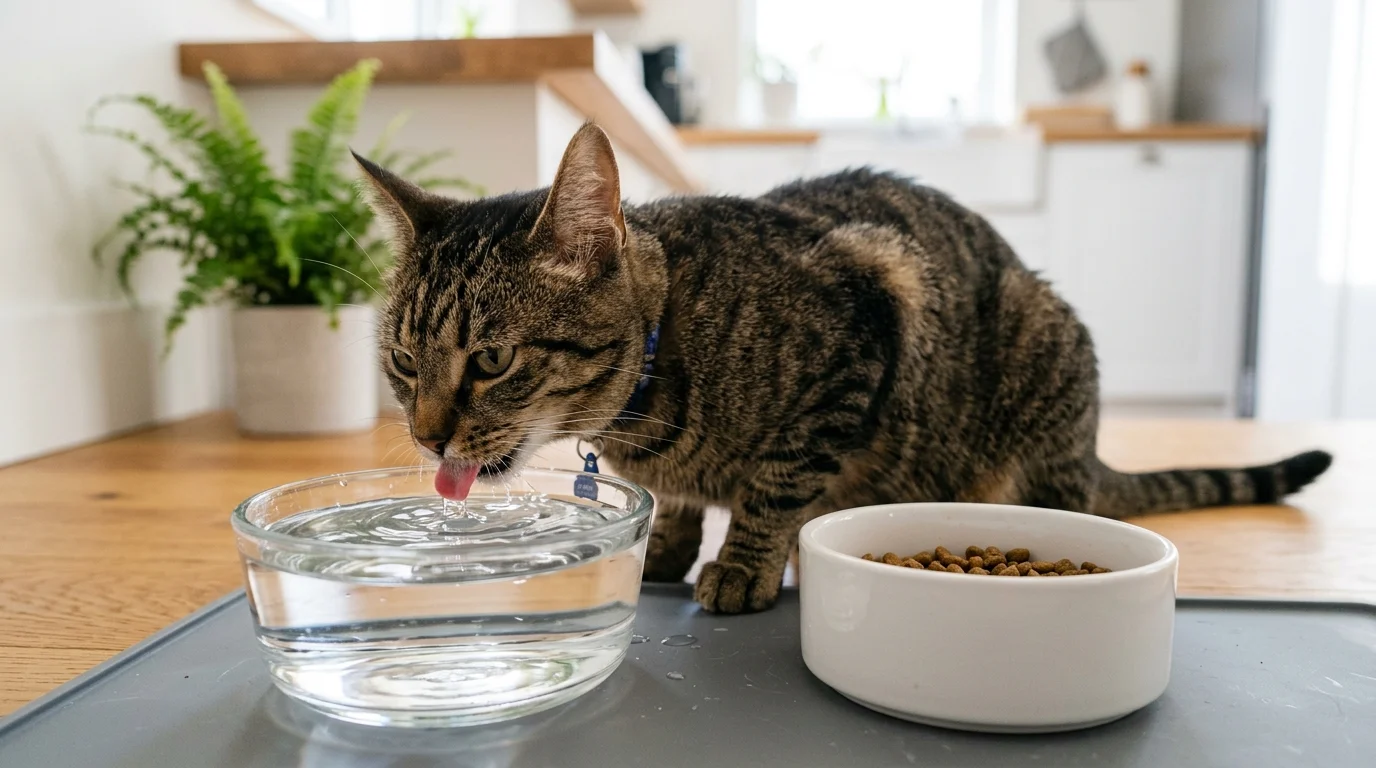
Guidance from the Cornell Feline Health Center on Feline Diabetes notes that diabetic cats experience “cellular starvation” — the body breaks down its own muscle and fat for fuel despite eating large meals. Classic signs include marked increase in drinking (polydipsia), frequent urination (polyuria), and weak hind legs (diabetic neuropathy).
3. Gastrointestinal Disease or Malabsorption
Chronic inflammatory bowel disease (IBD), food protein intolerances, and exocrine pancreatic insufficiency (EPI) damage the microvilli lining the small intestine. Even though the cat eats robustly, nutrients and calories pass directly out in the stool without being absorbed into the bloodstream. Many of these cats present with intermittent vomiting or soft stools; explore nutritional management in our guide to cat foods for sensitive stomachs and check cat food allergy symptoms.
4. Intestinal Parasites
Roundworms, hookworms, tapeworms, and Giardia are common contributors to weight loss, particularly in kittens, newly adopted cats, and indoor cats exposed to fleas or insects. Rather than merely “stealing food,” intestinal parasites induce mucosal inflammation, impair digestive enzymes, and cause micro-bleeding that depletes systemic nutrients. A microscopic fecal analysis easily identifies parasite ova.
5. Chronic Kidney Disease (CKD)
Chronic kidney disease is exceedingly common in mature and senior felines. CKD causes progressive loss of muscle mass, overall body weight, and increased water consumption. However, it is important to note: CKD is rarely a cause of eating more food. As uremic toxins build up, appetite typically waxes and wanes or gradually declines. If your cat is eating voraciously while drinking heavily, diabetes or hyperthyroidism is much more likely than isolated CKD.
6. Dental or Oral Disease
Severe gingivitis, tooth resorption, fractured teeth, or oral ulcers create a deceptive picture. The cat approaches the bowl eagerly, hovers over the kibble, and appears to be eating, but pain forces them to drop kibble or abandon the bowl after only consuming a fraction of their meal. “Interest in food” does not guarantee adequate caloric intake.
7. Cancer or Other Chronic Disease
Feline gastrointestinal lymphoma and other internal neoplasms can cause progressive weight loss through chronic metabolic derangement (cancer cachexia) and impaired nutrient absorption. In early stages, a cat may maintain a normal appetite before secondary lethargy develops. Comprehensive bloodwork and abdominal imaging help differentiate lymphoma from benign inflammatory bowel disease.
8. Inadequate Caloric Intake Despite Apparent Eating
Sometimes weight loss is non-medical and stems from environmental feeding dynamics. In multi-pet households, another cat or dog may be eating from the bowl when you aren’t looking. Alternatively, a recent switch to a lower-calorie wet food brand or high-fiber formula may mean your cat physically cannot consume enough volume to meet their daily energy expenditure. Review complete dietary principles in our complete cat nutrition guide.
Cat Losing Weight and Eating More: What Does It Usually Mean?
When appetite increases while body weight decreases, the diagnostic possibilities narrow significantly. Use this clinical pattern guide to understand what combinations suggest to your veterinarian:
| Observed Symptom Pattern | Conditions Worth Discussing With a Vet |
|---|---|
| Eating more + losing weight | Hyperthyroidism, diabetes mellitus, gastrointestinal malabsorption, EPI |
| Eating more + drinking more water | Diabetes mellitus, hyperthyroidism, secondary renal complications |
| Eating normally + losing weight | Early chronic kidney disease, low-grade IBD, cancer, inadequate food portion |
| Eating normally + vomiting or diarrhea | Inflammatory bowel disease, intestinal parasites, food intolerance, pancreatitis |
| Eating more + restless / vocalizing at night | Feline hyperthyroidism (thyroid storm / elevated blood pressure) |
| Interested in food but hesitating / dropping food | Dental disease, tooth resorption, stomatitis, oral tumor |
*Note: This table serves as an educational pattern guide, not a substitute for diagnostic bloodwork and veterinary examination.
What Other Symptoms Change the Picture?
Identifying accompanying physical or behavioral signs helps your veterinary team pinpoint the affected organ system quickly:
| If You Also Notice… | What This Symptom Helps Your Vet Investigate |
|---|---|
| Increased thirst (Polydipsia) | How much your cat drinks; points toward diabetes, CKD, or hyperthyroidism (see our hydration guide) |
| Increased urination (Polyuria) | Litter box clump size and frequency; screens for glucosuria or renal concentrating defects |
| Vomiting | Frequency and appearance; helps differentiate hairballs from IBD (see why cats throw up and vomiting vs hairballs) |
| Diarrhea or soft stools | Duration and stool consistency; indicates malabsorption, parasites, or intestinal inflammation |
| Restlessness or vocalization | Nighttime activity or hyperactivity; strongly suggests elevated thyroid hormone levels |
| Difficulty chewing or drooling | Food dropping and halitosis; indicates periodontal disease or tooth resorption |
| Unkempt, greasy, or matted coat | Reduced self-grooming from systemic malaise, or overgrooming from thyroid agitation (see grooming guide) |
| Hiding or withdrawal | Pain or malaise; see our guide on why cats hide when sick and how to tell if your cat is in pain |
My Cat Is Losing Weight but Seems Completely Fine
One of the most common reasons veterinary visits are delayed is that the cat still purrs, plays, and greets family members at the door. Felines are evolutionary prey animals with deeply ingrained survival instincts to mask physical weakness. In diseases like early hyperthyroidism or early-stage diabetes, cats often appear remarkably bright, alert, and active.
Normal behavior does not rule out progressive medical disease. If your scale confirms a consistent downward trend in body weight over 4 to 8 weeks, do not wait for overt lethargy or illness to appear before scheduling a veterinary examination.
Why Weight Loss in Older Cats Deserves Attention
It is tempting to look at a 12- or 14-year-old cat who is becoming thinner and dismiss it as “just getting old.” While senior cats experience natural reductions in digestive enzyme efficiency, unexplained weight loss should never be accepted as normal aging.

Aging dramatically increases the statistical prevalence of chronic, highly treatable conditions — including hyperthyroidism, diabetes mellitus, chronic kidney disease, dental disease, and low-grade IBD. Catching these conditions in their early stages dramatically improves long-term quality of life and longevity. Learn more about senior wellness in our indoor cat health and wellness guide.
How Much Weight Loss Is Concerning?
Because a typical domestic cat weighs between 8 and 12 pounds (3.6 to 5.5 kg), small weight changes carry profound medical significance. A loss of just 1 pound in a 10-pound cat represents 10% of their total body mass — the human equivalent of an average adult losing 15 to 20 pounds.
Clinical guidelines from VCA Animal Hospitals consider an unintentional loss of more than 10% of normal body weight clinically significant, provided the change is not explained by acute dehydration. However, even smaller losses (such as 0.5 lbs / 250 g) that persist over multiple weekly weigh-ins warrant professional evaluation.
When Should I Take My Cat to the Vet?
Schedule a prompt veterinary appointment if you observe any of the following non-emergency signs:
- Weight loss is confirmed over 2 or more consecutive weekly weigh-ins
- Your cat continues to lose weight despite eating normally or eating more
- Water consumption or litter box clump sizes have noticeably increased
- Intermittent vomiting, soft stools, or diarrhea persists for more than a few days
- Your senior cat shows visible spine or hip bone prominence
- Your cat appears hungry and interested in food but chews awkwardly or drops kibble
- Severe weakness, stumbling, or sudden collapse
- Labored, rapid, or open-mouth breathing
- Repeated vomiting and inability to keep water down
- Yellow discoloration of the gums, eyes, or inner ears (jaundice)
- Complete cessation of eating for more than 24 hours
- Signs of acute abdominal pain or crying when touched
What Will the Vet Test for?
Investigating unexplained weight loss involves a systematic diagnostic process outlined by VCA Animal Hospitals on Testing for Weight Loss:

| Diagnostic Test | What It Investigates |
|---|---|
| Complete Blood Count (CBC) | Screens for anemia, systemic infection, white blood cell elevations, and chronic inflammation |
| Serum Biochemistry Panel | Evaluates kidney function (BUN, creatinine, SDMA), liver enzymes, blood glucose, electrolytes, and blood protein levels |
| Total T4 (Thyroid Hormone) | Gold-standard screening blood test to definitively diagnose or rule out feline hyperthyroidism |
| Complete Urinalysis | Assesses urine concentrating ability (urine specific gravity), protein loss, urinary tract infections, and glucose in urine |
| Fecal Flotation & Giardia Test | Detects microscopic gastrointestinal parasites, worm eggs, and protozoal organisms |
| Serum Fructosamine | Measures average blood sugar levels over the past 2 to 3 weeks, distinguishing true diabetes from temporary clinic stress hyperglycemia |
| Abdominal Ultrasound / X-rays | Visualizes intestinal wall thickness (IBD vs. lymphoma), kidney architecture, pancreas, and internal organ masses |
What to Track Before the Vet Visit
To assist your veterinarian in reaching an accurate diagnosis efficiently, prepare the following details before your appointment:
- Home Weight Log: Bring your weekly scale measurements showing the rate and duration of weight loss.
- Exact Diet & Portions: Note the brand, flavor, and exact daily quantity of dry kibble, wet food, and treats fed.
- Actual Consumption: Note whether your cat finishes every bite or leaves food behind, and whether other pets have access to the bowl.
- Water & Litter Box Habits: Record changes in water bowl refilling frequency, urine clump sizes, and stool consistency.
- Behavioral Changes: Note changes in nighttime restlessness, vocalization, sleeping spots, grooming habits, or jumping ability.
Frequently Asked Questions
Can a cat lose weight while eating normally?
Yes. Weight loss despite normal or increased food intake occurs when metabolic demands increase (hypermetabolism), nutrients are not properly absorbed through the intestinal lining (malabsorption), or an underlying condition drains nutrients. It should always be investigated by a veterinarian.
Why is my older cat losing weight but still eating?
In older cats, hyperthyroidism and diabetes mellitus are two leading causes of weight loss with increased hunger. Chronic kidney disease, inflammatory bowel disease, dental pain, and gastrointestinal lymphoma can also cause weight loss and require diagnostic screening.
Why is my cat losing weight and drinking more water?
Increased thirst and urination paired with weight loss is a classic triad for diabetes mellitus, hyperthyroidism, or chronic kidney disease. A basic blood panel and urinalysis can readily differentiate between these conditions.
Can worms make a cat lose weight?
Yes. Intestinal parasites like roundworms, hookworms, and tapeworms cause intestinal inflammation and impair nutrient absorption, contributing to weight loss and poor coat quality, especially in kittens and outdoor-exposed cats.
Can stress make a cat lose weight?
Stress can alter appetite and digestion, but persistent or measurable weight loss in a cat that is eating normally should never be assumed to be purely stress-related without ruling out medical causes first.
Can a cat lose weight from eating the wrong food?
Yes. Inadequate calorie density, poor protein digestibility, or portions that fail to match a cat’s activity level can cause weight loss. Switching to a nutritionally complete, high-protein feline diet helps restore healthy body condition.
Final Takeaway
Unexplained feline weight loss in the presence of a robust appetite is a clear clinical clue that demands medical investigation rather than watchful waiting. Conditions such as hyperthyroidism, diabetes, and malabsorption are highly manageable when identified early through routine bloodwork and physical exams. Keep a weekly weight log, observe accompanying symptoms, and consult your veterinarian to keep your feline companion healthy and thriving. Explore our related feline health guides below:
- Why Is My Cat Not Eating? Causes & When to See a Vet
- How Long Can a Cat Go Without Eating? 24, 48 & 72 Hours
- Why Is My Cat Throwing Up? Causes, Colors & When to See a Vet
- Cat Vomiting vs Hairball: How to Tell the Difference
- Cat Hydration Guide: How Much Water Does a Cat Need?
- How to Tell If Your Cat Is in Pain: Subtle Signs Owners Miss
- Why Is My Cat Hiding? Normal vs. Concerning Reasons
- Complete Cat Nutrition Guide: What Cats Need at Every Life Stage
- Best Cat Food for Sensitive Stomachs: Digestive Care Guide
- Food Allergies vs. Food Intolerance in Cats: How to Tell the Difference
🐾 Explore More Cat Health & Care Guides
Support your indoor cat’s long-term health with our veterinarian-supported resources:
Veterinary information: This article provides general educational information and is not a substitute for professional veterinary diagnosis, examination, or treatment. If your cat is losing weight, contact a licensed veterinarian to schedule diagnostic screening.