By Emma Hartley | Last updated July 30, 2026
Feeding multiple cats different prescription food in the same house comes down to one core problem: cats will eat each other’s food given the chance, and a cat on a kidney or urinary diet eating a housemate’s regular food — even occasionally — can undo the point of the prescription diet. The fix is almost always separation by space, timing, or technology, not diet compromise.
Quick answer: Feed in separate rooms with a closed door, on a staggered schedule, or use microchip or RFID-activated feeders that only open for the correct cat. Free-feeding and shared bowls don’t work once even one cat is on a prescription diet.
Why It Matters If Cats Share Prescription Food
Prescription diets are formulated around a specific medical need — restricted phosphorus for kidney disease, controlled minerals for urinary crystal prevention, low-calorie formulas for weight management — and eating a housemate’s regular food even a few times a week can meaningfully undercut the diet’s purpose. The American Animal Hospital Association emphasizes that therapeutic diets only work when fed consistently and exclusively.
The reverse problem matters too: a healthy cat eating a kidney-support diet regularly — one that’s often lower in protein than a healthy cat needs — isn’t ideal for that cat’s own nutritional needs either. This genuinely goes both directions.
Most Reliable Ways to Separate Multiple Cats at Feeding Time
Separate Rooms with a Closed Door
The simplest and most reliable method, requiring no equipment. Feed at the same time each day, close the door for 20 to 30 minutes, then let both cats back out once bowls are empty and put away. The tradeoff is that it requires you to be present and consistent with the schedule. Establishing an indoor cat daily routine makes this easier to maintain.
Microchip or RFID Feeders
These feeders read a cat’s existing microchip or a small RFID tag on the collar and only open for the registered cat, staying sealed for every other pet. They cost $80 to $150 upfront but remove the need to physically manage separation every feeding. For a detailed look at automatic feeders, see our best automatic cat feeders for portion control review.
Elevated Feeding Stations
Works for some households where one cat can jump to a raised platform and another can’t, but this is the least reliable method since a determined or younger cat often finds a way up anyway.
How to Handle Different Cat Diets If You Work Long Hours
Structure the day around two supervised windows — morning before work and evening after — rather than leaving food out all day. Microchip feeders are particularly useful here since they enforce separation without requiring you to be present. Our guide on keeping indoor cats entertained while at work covers the broader challenge of managing multiple cats during your absence.
If automated feeders aren’t in the budget yet, feeding in separate rooms morning and evening then picking up all bowls before you leave is a solid interim strategy — more restrictive than ideal but meaningfully better than letting diets mix unsupervised all day.

Can You Feed Both Prescription Diets to Both Cats?
Generally no. A prescription kidney or urinary diet fed to a fully healthy cat isn’t dangerous short-term, but it’s formulated around a specific restriction that a healthy cat doesn’t need, and long-term feeding outside its intended purpose isn’t something most vets recommend. The reverse — letting the diet-restricted cat eat regular food regularly — more directly undermines the prescription diet’s purpose. The WSAVA nutrition guidelines recommend discussing any shared-diet approach with your vet first.
To understand whether your cat’s specific prescription diet nutrition profile is appropriate, our guide on reading cat food labels explains what the guaranteed analysis numbers actually mean.
What to Do When Cats Fight Over Feeding Separation
Some cats escalate around feeding time regardless of separation method. A few adjustments help:
- Consistent timing reduces anxiety more than most owners expect. Cats that know feeding happens at a predictable time settle faster.
- Feed the more food-motivated or anxious cat first so waiting doesn’t compound stress.
- Add a visual barrier if cats can see each other through a baby gate. Seeing but not reaching food can be just as frustrating as no separation at all. This is especially relevant when introducing a second cat who needs a different diet.
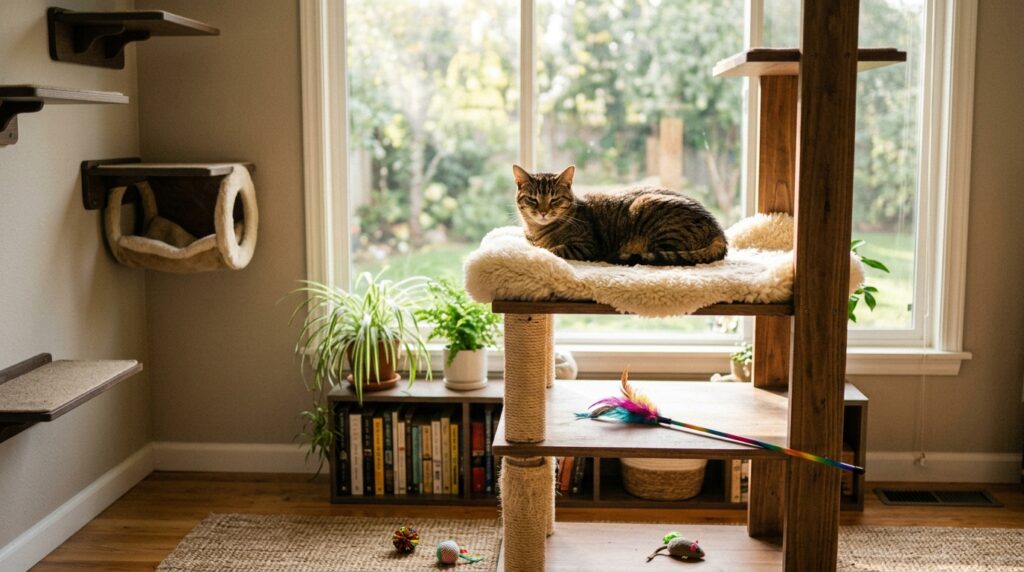
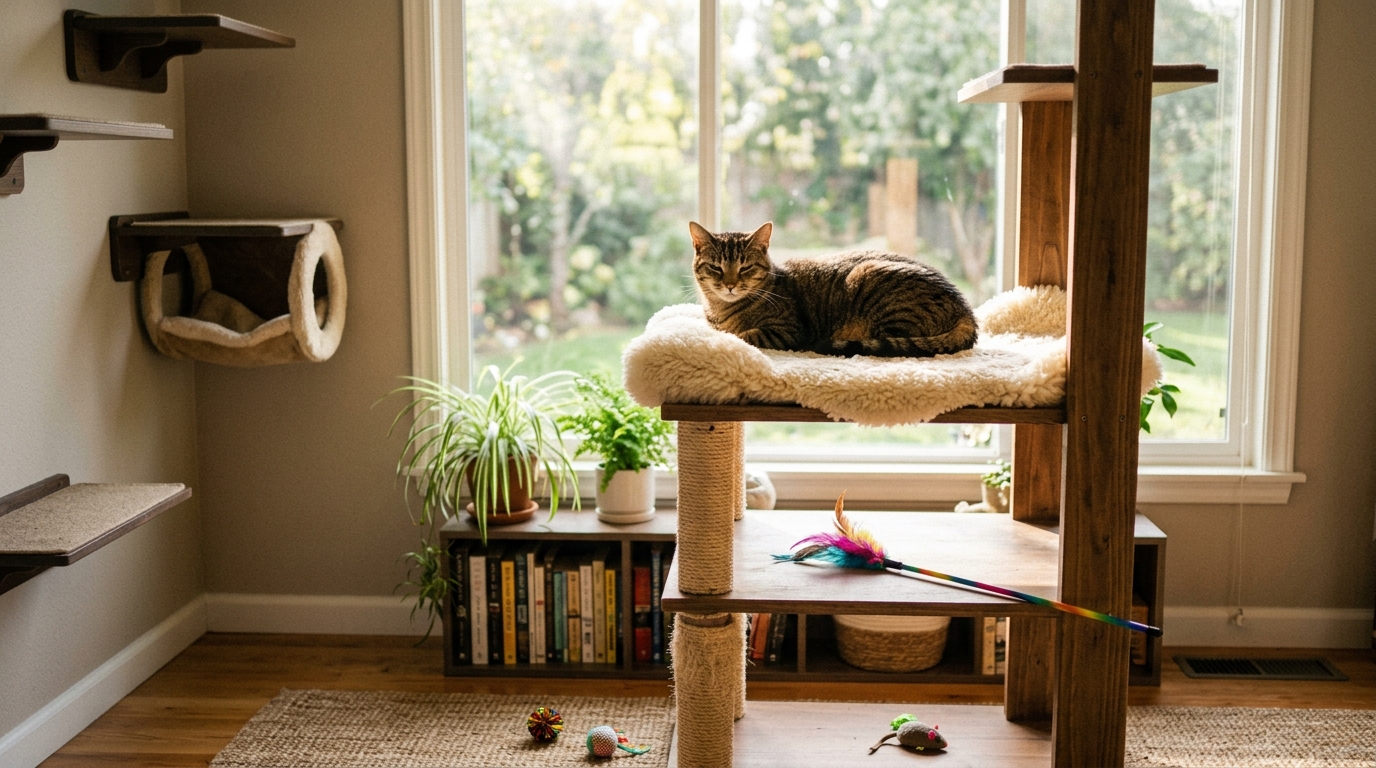
- Increase overall enrichment outside feeding time. Cats with more puzzle feeders, climbing space, and play sessions show less food-focused intensity.
Does Litter Box Setup Matter in a Multi-Cat Prescription Diet Household?
Indirectly, yes. Cats on kidney or urinary diets often drink more water and use the litter box more frequently, and litter box stress in a multi-cat household can compound feeding-related stress. The standard guidance of one litter box per cat plus one extra applies here — see our litter box types guide and how many litter boxes you need for 2 cats for specific multi-cat setups.
Frequently Asked Questions
Can two cats share a food bowl if one is on a prescription diet?
No. Even occasional access to a housemate’s regular food can undermine the purpose of a prescription diet, and a healthy cat eating a restricted therapeutic diet regularly isn’t ideal either.
Are microchip pet feeders worth it for multiple cats on different diets?
For most multi-cat households managing different prescription diets, yes. They remove the need for constant supervision and are one of the more reliable ways to prevent cross-eating. See our automatic feeder reviews for tested recommendations.
How long does it take to separate cats safely for feeding time?
20 to 30 minutes is generally enough, after which bowls should be picked up and cats allowed back together.
Is it safe for a healthy cat to occasionally eat a small amount of prescription cat food?
An occasional small amount usually isn’t an emergency, but it shouldn’t become routine. Check with your vet about your specific situation.
What’s the best litter box setup for a multi-cat household managing different diets?
One litter box per cat plus one extra, placed in separate locations. Since cats on certain prescription diets may use the box more frequently, keeping access uncontested reduces household stress.
First-hand Experience
Managing a two-cat household where 11-year-old Bella required renal care food while 3-year-old Leo was on high-protein kibble was chaos until we invested in microchip-activated feeders. Prior to that, separated feeding behind closed bedroom doors for 25 minutes each morning and evening was our foolproof zero-cost strategy for six months.
Related reading: Full Guide to Indoor Cat Care covers nutrition alongside litter, vet care, environment, and behavior. See also our kidney diet guide for cats, how much to feed an indoor cat for precise calorie targets, and the real cost of owning an indoor cat which includes prescription diet budgeting.